
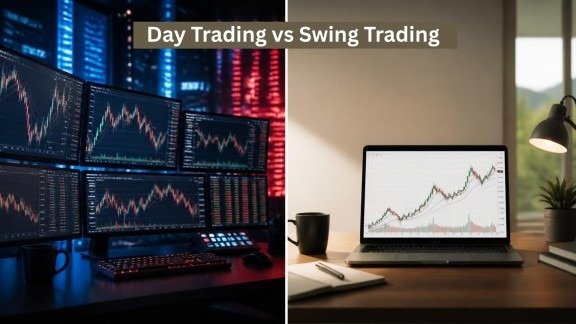
Trading offers many ways to take part in the financial markets. However, two of the most popular styles are day trading and swing trading. Both methods aim to profit from price movements. Still, they work in very different ways.
The Day Trading vs Swing Trading debate is important for every beginner. One style requires fast decisions and more screen time. The other gives you more time to study the market and manage your trades.
So, which one should you choose?
The answer depends on your time, personality, goals, and risk tolerance. Therefore, you should understand both styles before risking real money.In this guide, you will learn how each method works, its main benefits and risks, and how to choose the right style for your trading journey.
What Is Day Trading?
Day trading is a short-term trading style. A trader opens and closes positions on the same day. In most cases, no trade stays open overnight.
For example, a trader may buy a stock in the morning and sell it a few hours later. The goal is to benefit from small price movements during the trading day.
Day traders often use short timeframes, such as:
- 1-minute charts
- 5-minute charts
- 15-minute charts
Because the market can move quickly, day traders need to watch price action closely.
How Day Trading Works

A day trader looks for short-term trading opportunities. They may use price charts, technical indicators, support and resistance levels, and market news.
Once they find a setup, they enter the trade. They also set a stop-loss level to control possible losses.
After that, the trader watches the market and exits the position before the trading day ends.
Therefore, day trading requires focus, discipline, and quick decision-making.
Benefits of Day Trading
Day trading can offer some useful benefits.
First, traders do not usually hold positions overnight. This can reduce the risk of unexpected price changes while they sleep.
Second, traders may find several opportunities during an active market session.Also, day trading gives fast feedback. You can see the result of a trade within minutes or hours.
However, these benefits also come with higher pressure and greater demands on your time.
Challenges of Day Trading
Day trading is not easy for beginners.
The market can move very quickly. As a result, traders may make emotional decisions or enter poor trades.
In addition, frequent trading can increase costs. Spreads, commissions, and other fees may affect your results.Day trading also requires a lot of screen time. Therefore, it may be difficult for someone who has a full-time job or a busy daily schedule.
What Is Swing Trading?
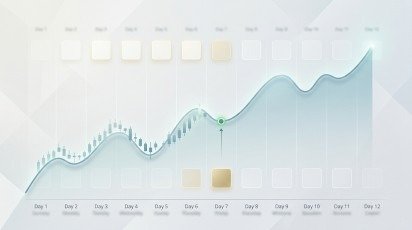
Swing trading is a medium-term trading style. Instead of closing trades on the same day, swing traders may hold positions for several days or even weeks.
The main goal is to capture a larger price movement.
For example, a trader may identify an upward trend, enter a buy position, and hold it until the price reaches their target.
In the Day Trading vs Swing Trading comparison, swing trading usually requires less constant screen time.
How Swing Trading Works
Swing traders often use higher timeframes. Common charts include the 1-hour, 4-hour, and daily charts.They look for market trends, breakouts, pullbacks, and important price levels.
After finding a suitable setup, the trader enters the market and sets a stop loss and target.
Then, instead of watching every price movement, they may check the trade once or twice a day.As a result, swing trading can be easier to manage for people with other daily responsibilities.
Benefits of Swing Trading
Swing trading has several advantages for beginners.
First, it does not require you to sit in front of the screen all day.
Second, higher timeframes may help reduce some of the noise seen on very short charts.
Also, swing traders usually make fewer trades. Therefore, they may face lower trading costs than someone who trades many times each day.Most importantly, this style gives beginners more time to think before making a decision.
Challenges of Swing Trading
Swing trading also has risks.
Because trades stay open overnight, unexpected news can move the market while you are away. A position may also move against you for several days before reaching your stop loss or target.In addition, swing trading requires patience. Some traders find it difficult to wait for a setup or allow a trade enough time to develop.
Therefore, you need strong discipline and proper risk management.
Day Trading vs Swing Trading: The Main Differences
Understanding the key differences can make your choice much easier.
The biggest difference is the amount of time you hold a trade. However, screen time, stress, trading costs, and risk exposure also matter.
| Factor | Day Trading | Swing Trading |
| Holding Time | Minutes to hours | Days to weeks |
| Screen Time | High | Lower |
| Trade Frequency | Often high | Usually lower |
| Decision Speed | Very fast | More time to decide |
| Overnight Risk | Usually avoided | Present |
| Best For | Active traders | Traders with limited time |
The Day Trading vs Swing Trading choice is not about finding one style that is always better. Instead, it is about finding the style that fits you.
Time Commitment and Lifestyle
Your available time is one of the most important factors.Day trading often requires several hours of focused attention. You may need to watch charts during active market sessions.
Therefore, this style can be difficult if you have a full-time job, studies, or family responsibilities.Swing trading is more flexible. You can study charts in the evening, place your trades, and review them later.
For this reason, many beginners find swing trading easier to fit into their daily lives.
Risk and Emotional Pressure
Both styles involve risk. However, the type of pressure can be different.Day traders face fast market movements. They may need to make several decisions in a short period. This can create stress and lead to emotional trading.Swing traders have more time to analyse a trade. However, they must deal with overnight and weekend risk.
So, in the Day Trading vs Swing Trading decision, you should think about which type of pressure you can manage better.Do you prefer making quick decisions?Or do you prefer taking more time and waiting patiently?
Your answer can help you choose the right path.
Trading Costs and Trade Frequency
Day traders may enter and exit the market many times. As a result, trading costs can add up.Even small spreads or commissions can become important when you make many trades.Swing traders usually trade less often. Therefore, their total transaction costs may be lower.
However, lower trade frequency does not guarantee better results.The most important goal is to take quality trades and manage your risk.
Day Trading vs Swing Trading for Beginners
For many beginners, swing trading may feel easier to manage.The slower pace gives you more time to learn about charts, market trends, and risk management.You do not need to react to every small price movement.
However, this does not mean that day trading is impossible for beginners.
If you have enough time, enjoy fast markets, and can follow a strict plan, day trading may suit you.The key is to avoid choosing a style simply because someone online says it is the most profitable.
Instead, choose a method that matches your real life.
How to Choose the Right Trading Style
Before choosing between the two styles, ask yourself a few simple questions.
How Much Time Do You Have?
If you can spend several hours watching the market, day trading may be possible.However, if you only have limited time each day, swing trading may be a better option.
What Is Your Personality?
Some people enjoy fast action. They can make quick decisions and stay calm under pressure.Others prefer to study the market carefully and wait for the right opportunity.
Therefore, your personality matters in the Day Trading vs Swing Trading choice.A trading style should work with your natural habits, not constantly fight against them.
What Is Your Risk Tolerance?
You should also understand how much risk you can handle.
Day trading may involve many quick trades. Swing trading may expose you to overnight price movements.
In both cases, never risk money that you cannot afford to lose.A good rule is to decide your maximum risk before entering any trade.
Important Risk Management Tips

No trading style can remove all risk. Therefore, risk management should always come first.
Here are a few basic rules:
- Use a stop loss when appropriate.
- Decide your risk before entering a trade.
- Avoid trading with money you cannot afford to lose.
- Do not increase your position size to recover a loss.
- Follow your trading plan.
These rules can help both day traders and swing traders.
Most importantly, do not let emotions control your decisions.
Day Trading vs Swing Trading: Which One Is Better?
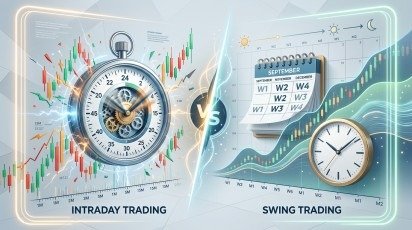
There is no single answer for everyone.Day trading may suit you if you have plenty of time, enjoy fast decisions, and can stay focused during active market hours.
Swing trading may suit you if you have a job, studies, or other responsibilities. It can also work well for people who prefer a slower and more planned approach.The Day Trading vs Swing Trading decision should depend on your schedule, personality, experience, and risk tolerance.
Do not choose based only on possible profits.
Instead, choose the style that you can follow with consistency and discipline.
Final Thoughts
The Day Trading vs Swing Trading debate has no single winner. Both styles offer opportunities, but both also involve real risks. Day trading is fast and needs more time, while swing trading is slower and more flexible. Beginners can start with a demo account to practise their skills and test a strategy. Most importantly, keep learning, manage your risk, and protect your capital. Choose the trading style that fits your time, personality, and goals.
Disclaimer: Trading involves financial risk. This article is for educational purposes only and is not financial advice.
FAQS
What is the main difference between day trading and swing trading?
Day trading closes trades within the same day, while swing trading holds positions for several days or weeks.
Which is better for beginners, day trading or swing trading?
Swing trading may be easier for beginners because it offers more time for analysis and usually requires less screen time.
How much time does day trading require?
Day trading often requires several hours of focused attention because traders need to monitor market movements during the day.
Meta Description
Learn the key differences between Day Trading vs Swing Trading and discover which trading style is right for beginners based on time, risk, and goals.
- What Is Day Trading?
- How Day Trading Works
- Benefits of Day Trading
- Challenges of Day Trading
- What Is Swing Trading?
- How Swing Trading Works
- Day Trading vs Swing Trading: The Main Differences
- Time Commitment and Lifestyle
- Trading Costs and Trade Frequency
- Day Trading vs Swing Trading for Beginners
- How to Choose the Right Trading Style
- Important Risk Management Tips
- Day Trading vs Swing Trading: Which One Is Better?
- Final Thoughts
- FAQS
- Meta Description