
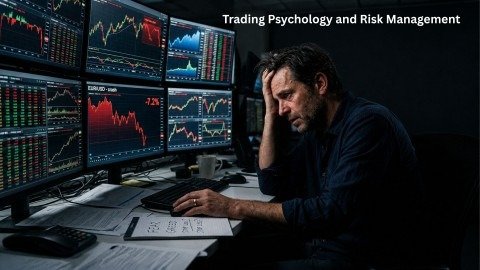
Trading is not only about charts, signals, or strategies. The real challenge is inside your mind. Most traders lose money not because their strategy is bad, but because their emotions take control. Fear, greed, and impatience can destroy even the best plan. That is why learning Trading Psychology and Risk Management is very important for every trader who wants long-term success.
If you want to become a consistent trader, you must first learn how to control your thoughts and protect your money. Without this, trading becomes gambling. In this guide, you will learn simple and clear methods to improve your mindset and manage risk in a smart way. By following these steps of Trading Psychology and Risk Management, you can slowly build discipline, confidence, and steady profits in the market.
What is Trading Psychology and Risk Management
Trading Psychology and Risk Management means how you think, feel, and act while trading, and how you protect your money from big losses. It is the foundation of every successful trader.
Trading psychology is about your emotions. When you see profit, you feel happy and greedy. When you see loss, you feel fear and stress. These emotions can make you enter bad trades or exit good trades too early. That is why controlling your mind is very important in Trading Psychology and Risk Management.
Risk management is about how much money you risk in each trade. Even if your idea is wrong, you should not lose too much. Good traders always protect their capital first. This balance of mind and money is the real meaning of Trading Psychology and Risk Management.
Why Trading Psychology Matters in Trading
Many traders think only strategy is enough, but this is not true. The real reason behind failure is weak mindset. Strong Trading Psychology and Risk Management helps you stay calm in all market conditions.
Fear and Greed in Trading
When the market goes against you, fear can force you to close trades early. When the market moves in your favor, greed can make you hold too long and lose profit. These small emotional mistakes create big losses over time.
Importance of Discipline
Professional traders focus more on process than profit. They follow rules even when emotions are strong. They accept losses as part of the game. This mindset helps them survive long-term in trading.
How to Build a Strong Trading Plan
A trading plan is like a map for your trading journey. Without a plan, you will get lost in emotions and confusion. A strong plan is a key part of Trading Psychology and Risk Management.
Create Clear Entry and Exit Rules
Your trading plan should include simple rules. When to enter, when to exit, and how much to risk. You should never trade without clear rules. This removes emotional decisions and keeps your mind stable.
Follow Your Plan Consistently
When you follow a plan, your brain feels less stress. You already know what to do before the trade starts. A good trader never changes rules during live trading.
Risk Management for Long-Term Survival
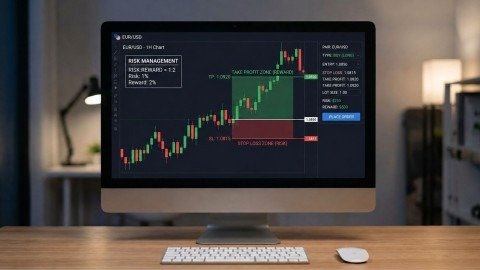
Risk management is the heart of trading success. Without it, your account can be destroyed in a few trades. This is why Trading Psychology and Risk Management always starts with protecting capital.
Risk Small Amounts Per Trade
A simple rule is to risk only a small part of your account in each trade. Even if you lose many trades, your account will stay safe. This reduces stress and helps you think clearly.
Use Stop Loss Properly
Stop-loss is also very important. It protects you from big losses. When you accept small losses, you avoid emotional damage. Good traders never risk everything on one trade.
Control Emotions While Trading
Emotions are the biggest enemy in trading. Fear, greed, and revenge trading can destroy your account quickly. That is why emotional control is a key part of Trading Psychology and RiskManagement.
Trading with emotions often leads to bad decisions. A trader may enter random trades, close trades early, or increase lot size without reason. These mistakes create losses and stress.
Take Breaks After Losses
If you feel stress or anger, take a short break. Calm mind always makes better decisions. This simple habit can improve your trading performance.
Keep a Trading Journal and Build Discipline

A trading journal helps you learn from your mistakes. It shows your progress and weak points. This is an important tool in Trading Psychology and Risk Management.
Learn From Past Trades
When you write your trades, you understand what you did right and what you did wrong. Over time, you see patterns in your behavior. This helps you improve slowly.
Build Strong Discipline
Discipline is built through practice. When you follow rules again and again, your mind becomes strong. Successful traders are not perfect. They are just disciplined and patient.
Develop Patience and Confidence in Trading
Patience is very important in trading because the market does not give good opportunities all the time. Many traders lose money because they enter trades too quickly without waiting for proper confirmation. A patient trader follows the plan and waits for high-quality setups. This habit reduces emotional decisions and improves overall performance. In Trading Psychology and Risk Management, patience helps traders avoid overtrading and unnecessary losses.
Confidence is also necessary for long-term success. Traders who do not trust their strategy often close trades early or panic during small market moves. Real confidence comes from practice, discipline, and experience. When traders follow their rules and manage risk properly, they slowly build trust in themselves. This is why Trading Psychology and Risk Management plays a major role in becoming a calm and consistent trader.
Accept Losses and Focus on Long-Term Growth
Every trader faces losses in the market. Losing trades are a normal part of trading, and no strategy can win all the time. Many beginners become emotional after a loss and start making random decisions. This creates more mistakes and bigger losses. In Trading Psychology and Risk Management, traders learn to accept losses calmly and move forward without fear or frustration.
Successful traders always focus on long-term growth instead of short-term results. They understand that consistency is more important than one big winning trade. By following a proper trading plan, controlling emotions, and protecting capital, traders can slowly improve their skills and build steady profits over time.
The Role of Consistency in Trading Success
Consistency is one of the most powerful parts of trading success. Many traders start strong but lose control after a few trades. They change strategies, increase risk, or break rules. This creates unstable results and emotional stress. In Trading Psychology and Risk Management, consistency means following the same rules every day without emotional changes.
Why Consistency Matters in Trading
A consistent trader does not depend on luck or emotions. They follow a fixed plan and trust their system over time. Even after losses, they stay calm and stick to their strategy. This helps them understand long-term performance instead of focusing on single trades.
Building Consistent Habits
Consistency comes from daily practice. Traders should follow their trading rules, manage risk properly, and avoid overtrading. Small disciplined actions every day build strong habits that improve overall performance in Trading Psychology and Risk Management.
Importance of a Calm Mind in Market Pressure
The market moves fast, and pressure is always high during trading. Many traders make mistakes because they panic in fast situations. A calm mind helps traders think clearly and follow their plan without fear. This is an important part of Trading Psychology and Risk Management.
How Pressure Affects Traders
Under pressure, traders often enter wrong trades or exit too early. They stop thinking logically and start reacting emotionally. This leads to losses and confusion in their trading journey.
Staying Calm During Trading
To stay calm, traders should avoid overtrading and take short breaks when needed. Deep breathing, patience, and sticking to a plan help reduce stress. A calm mind improves decision-making and supports better results in Trading Psychology and Risk Management.
Conclusion
Trading success is not about luck. It is about mindset, discipline, and protection of capital. If you want to survive and grow in the market, you must master Trading Psychology and Risk Management.
When you control emotions, follow a plan, and manage risk, trading becomes simple. You stop gambling and start trading like a professional. Every trader who succeeds understands this truth.
If you stay patient, follow your rules, and focus on process instead of profit, you will improve slowly. This is the real power of Trading Psychology and Risk Management.
FAQs
What is Trading Psychology and Risk Management?
It helps traders control emotions and protect capital while making smart trading decisions for long-term success in the market.
Why is trading psychology important in trading?
Trading psychology helps traders avoid emotional mistakes like fear, greed, and revenge trading in difficult market conditions during trading.
How can traders improve emotional discipline?
Traders can improve discipline by following a trading plan and managing risk properly on every trade with consistency.
Why is risk management important for traders?
Risk management protects trading accounts from large losses and improves long-term survival in the market with stability.
How does a trading journal improve trading performance?
A trading journal helps traders learn from mistakes and build better trading habits over time consistently for growth.
Meta Description:
Learn how to master Trading Psychology and Risk Management for consistent profits. Discover simple strategies to control emotions, manage risk, build discipline, and become a successful trader.