
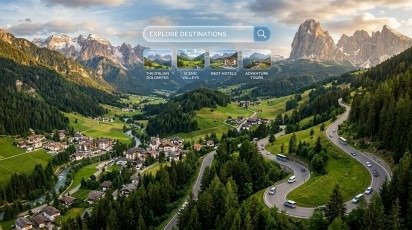
Do you want more people to find your travel website on Google? A good website is not enough to get visitors. You also need a clear SEO plan. It helps search engines understand your pages and helps travelers find the information they need.
Today, people search for places, hotels, flights, and travel tips before they book a trip. Therefore, your website needs useful content, fast pages, and a simple design. These features can help visitors enjoy their time on your site. In this guide, you will learn how to optimize a travel website in 2026. You will also discover simple ways to improve your content, attract visitors, and make booking easier.
Essential SEO Practices for Travel Websites in 2026
A successful travel website needs more than attractive design and useful travel information. These 11 SEO practices explain how to improve content, technical performance, and user experience to help search engines understand your website.
1. Find the Right Travel Keywords
Keyword research is the first step in SEO. It helps you learn what travelers search for online. As a result, you can create pages that match their needs.
Start with words related to your travel services. Then, use tools such as Google Keyword Planner or Google Search Console to find useful search terms.
For example, you can target:
- Best places to visit in Pakistan
- Cheap family holiday packages
- Hotels near popular tourist spots
- Best time to visit northern areas
Also, focus on long-tail keywords. These are longer and more specific search terms. They may have fewer searches, but they can attract visitors with clear travel needs.
2. Create Helpful and Original Content
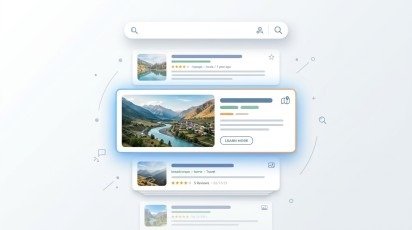
Good content helps travelers make better choices. It also gives search engines useful information about your pages. Therefore, focus on answering real questions instead of adding words just to fill a page. Write destination guides, travel tips, hotel reviews, and sample travel plans. Include useful details such as travel costs, local transport, weather, and popular attractions.
For example, a guide about visiting Hunza can explain the best time to go, places to see, and travel options. Add your own photos and real experiences whenever possible. This makes your content more useful and personal. Update old articles when prices, travel rules, or other details change. In addition, avoid copying content from other websites. Original and helpful information gives readers a reason to visit your site.
3. Optimize Page Titles and Meta Descriptions
Page titles and meta descriptions help users understand your content before they visit your site. They also help search engines understand what each page covers.
Write a unique title for every important page. Place your main keyword naturally near the beginning when it fits. Keep the title clear and relevant to the page.
For example:
- SEO title: Travel Website SEO: 7 Simple Ways to Improve Rankings
- Meta description: Learn how to optimize a travel website with simple SEO tips, useful content, and better page speed in 2026.
Also, write a clear H1 heading for each page. Use H2 and H3 headings to divide long content into smaller sections. This makes your articles easier to read and understand.
4. Improve Website Speed and Performance
Website speed plays an important role in user experience. Travelers may leave a slow page before they find the information they need. Therefore, make sure your pages load quickly on different devices.
Start by compressing large images. Next, remove unnecessary plugins and use reliable hosting. You can also use browser caching and a content delivery network (CDN) to improve loading speed.
Check your website with Google PageSpeed Insights. It can help you find problems that slow down your pages.
Pay attention to Core Web Vitals, too. These measure loading speed, response time, and visual stability. A fast and stable travel website can make it easier for visitors to explore your content and complete bookings.
5. Make Your Website Mobile-Friendly
Many travelers use their phones to search for places and compare hotels. Therefore, your website should work well on small screens.
Use a responsive design that adjusts to different screen sizes. Make sure text is easy to read and buttons are large enough to tap. Also, keep menus simple so visitors can find important pages without trouble.
Your booking forms should be easy to complete on a phone. Avoid long forms and unnecessary steps. A mobile-friendly travel website makes it easier for users to explore destinations and plan their trips.
6. Use SEO-Friendly URLs and Internal Links

Clear URLs help visitors and search engines understand your pages. Therefore, use short and simple URLs that describe the page.
For example, use /hunza-travel-guide/ instead of a long URL with random numbers and symbols.
Internal links are useful, too. They connect related pages on your website. For example, link a Hunza travel guide to your hotel pages, travel packages, and other relevant guides.
These links help visitors discover more information. They also help search engines find and understand your important pages. However, use natural anchor text and link only to relevant content.
7. Optimize Images for Search Engines
Travel websites often use many images to show destinations, hotels, and activities. However, large images can slow down your pages. Therefore, image optimization is important for both SEO and user experience.
Use clear, high-quality images in suitable formats, such as WebP. Compress them before uploading them to your site. Also, choose descriptive file names instead of random numbers.
Add useful alt text to images that need it. For example, use “snow-covered mountains in Hunza” for a relevant photo. This helps describe the image to search engines and people using screen readers.
You can also use lazy loading for images that appear lower on the page. However, avoid lazy loading the main image at the top if it delays its display.
8. Add Structured Data to Important Pages
Structured data gives search engines extra information about your content. It uses a standard format to describe details on your pages.
For example, you can use relevant schema types for hotels, local businesses, articles, and events. This helps search engines understand the purpose of each page.
Add structured data only when it matches the visible content. For example, do not add hotel prices that are not shown on the page. You can use Google’s Rich Results Test to check eligible markup.
Although structured data can help search engines understand your pages, it does not guarantee higher rankings or rich results. Therefore, focus on accurate information and a useful travel website first.
9. Build Trust With Reviews and Local SEO

Travelers want to feel safe before booking a trip. Therefore, trust is an important part of your SEO strategy. Add genuine customer reviews, clear contact details, and accurate business information to your website.
If you serve a local area, create a Google Business Profile. Add your business address, phone number, opening hours, and real photos. Also, ask customers to share honest reviews after their trips.
A travel website can also benefit from location-based pages. For example, create useful pages for the destinations you serve. However, avoid making many similar pages with little or no useful information.
10. Monitor SEO Performance and Update Your Website
SEO needs regular care. You should check your website to find problems and understand what works. This helps you improve your strategy over time. Use Google Search Console to monitor clicks, impressions, search queries, and indexing issues. Google Analytics can also help you understand how visitors use your website.
Review your results every month. Update old articles, fix broken links, and improve pages that receive little traffic. Also, check your booking forms and important links. These regular checks help keep your travel website useful as search needs change.
11. Make Your Content Easy for AI Search

In 2026, travelers can use both traditional search engines and AI tools to find travel information. Therefore, make your content clear, accurate, and easy to understand. Answer common questions directly. Use descriptive headings and short paragraphs. Add real facts, helpful examples, and links to trusted sources where needed.
For example, a travel guide can answer questions about travel costs, the best time to visit, and local transport. This makes your content useful for both readers and search systems. However, there is no guaranteed way to appear in AI answers. Focus on helpful content and a well-maintained travel website rather than chasing every new trend.
Conclusion
Optimizing a travel website takes time, but small improvements can make a real difference. Start with keyword research, helpful content, and fast-loading pages. Then, improve your images, links, mobile design, and technical SEO. Also, keep your information accurate and check your website regularly. These steps can help search engines understand your pages and help travelers find what they need.
Remember, SEO is an ongoing process. Keep improving your travel website, focus on your readers, and measure your progress. Over time, these efforts can help you build a stronger online presence and attract more potential customers.
FAQs
1. How can I improve my travel website SEO in 2026?
Start with keyword research, useful content, fast pages, and a mobile-friendly design. Then, monitor your results and update your website regularly.
2. Why is keyword research important for travel websites?
Keyword research helps you understand what travelers search for. It allows you to create relevant pages that match their needs and search intent.
3. How does website speed affect travel SEO?
Fast pages offer a better user experience. They also help meet Google’s page experience expectations and make it easier for visitors to explore your content.
4. Which tools can help optimize a travel website?
Google Search Console, Google Analytics, and Google PageSpeed Insights can help you monitor performance, find technical issues, and improve your pages.
Meta description:
Learn how to optimize a travel website in 2026 with practical SEO tips for keywords, content, speed, images, and better search visibility.
- Essential SEO Practices for Travel Websites in 2026
- 1. Find the Right Travel Keywords
- 2. Create Helpful and Original Content
- 3. Optimize Page Titles and Meta Descriptions
- 4. Improve Website Speed and Performance
- 5. Make Your Website Mobile-Friendly
- 6. Use SEO-Friendly URLs and Internal Links
- 7. Optimize Images for Search Engines
- 8. Add Structured Data to Important Pages
- 9. Build Trust With Reviews and Local SEO
- 10. Monitor SEO Performance and Update Your Website
- 11. Make Your Content Easy for AI Search
- Conclusion
- FAQs
- Meta description: