
Facebook is a big part of modern life. Children use it to talk with friends, watch videos, join groups, and share happy moments. However, the internet is not always safe for young users. Because of this, parents must learn how to protect their children online. Today, many families want simple and smart ways to keep kids safe while using social media.
Many parents worry about online strangers, cyberbullying, fake accounts, and harmful content. At the same time, children often do not understand online risks. Therefore, parents should guide them with care and support. When families openly talk about internet safety, children feel more confident and secure online. This is one of the best ways to make Children Safe on Facebook in daily digital life.
Moreover, Facebook offers many privacy and safety tools that can help families stay protected. Parents can use these settings to control who sees posts, who sends friend requests, and who can contact their child. In this guide, you will learn practical and easy steps that help keep Children Safe on Facebook without creating fear or stress. These tips are simple, effective, and useful for every parent.
Why Facebook Safety Matters for Children
Children enjoy using social media because it helps them stay connected. They can share photos, chat with classmates, and learn new things online. Still, social media also comes with risks. Young users may see harmful posts, receive messages from strangers, or become victims of online bullying.
In many cases, children trust people too quickly online. As a result, they may share personal details without understanding the danger. This is why parents should teach safe online habits early. A child who understands privacy and online safety is more likely to make smart choices.
Another important point is emotional health. Hurtful comments and online pressure can affect a child’s confidence. Therefore, keeping Children Safe on Facebook is not only about security settings. It is also about emotional protection and healthy online behavior.
Start Talking About Online Safety Early
Parents should begin internet safety discussions before children become active on social media. Even young kids use tablets and smartphones today. Because of this, early conversations are very important.
Instead of using fear, parents should speak calmly and openly. Children should feel comfortable asking questions. When parents create trust, children are more likely to report problems.
You can discuss topics like:
- Why strangers online can be dangerous
- Why passwords should stay private
- Why personal photos must be shared carefully
- How online actions can have long-term effects
These small discussions help build safe habits over time. In fact, strong communication is one of the easiest ways to keep Children Safe on Facebook.
Teach Children to Protect Personal Information
One of the biggest online dangers is oversharing personal details. Many children do not realize that small pieces of information can create risks.
For example, children should avoid sharing:
- Home address
- School name
- Phone number
- Daily routine
- Vacation plans
- Live location
Even harmless posts can sometimes expose private information. Therefore, parents should explain why privacy matters online.
Children should also understand that once something is posted online, it can stay there for a very long time. Teaching this lesson early helps keep Children Safe on Facebook and other social platforms.
Help Your Child Set Strong Privacy Settings
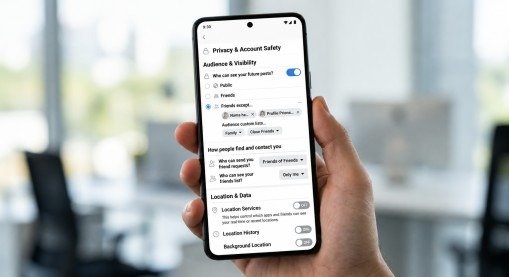
Facebook offers privacy tools that help users control their accounts. Parents should review these settings together with their child. This creates both safety and trust.
Important Privacy Settings to Check
Control Who Can See Posts
Children should keep their posts visible only to trusted friends. Public posts can expose photos and personal updates to strangers.
Limit Friend Requests
It is safer to allow requests only from people the child knows in real life. Fake accounts are common on social media.
Turn Off Location Sharing
Location sharing can reveal where a child lives or spends time. Because of this, it is better to disable automatic location access.
Review Tagged Photos
Children should approve tags before photos appear on their profile. This helps avoid embarrassing or unsafe content.
These settings are very useful for keeping Children Safe on Facebook every day.
Explain the Danger of Talking to Strangers Online
Children often believe that online friends are safe. Sadly, this is not always true. Some people create fake profiles to trick young users.
Parents should clearly explain that strangers online may pretend to be friendly. They may ask personal questions or request private photos. Therefore, children should never trust unknown people online quickly.
Teach your child to:
- Ignore suspicious messages
- Avoid private conversations with strangers
- Never send personal photos
- Tell a trusted adult about uncomfortable chats
These lessons are essential for making Children Safe on Facebook and preventing online exploitation.
Watch for Signs of Cyberbullying
Cyberbullying is one of the biggest problems children face online today. Hurtful comments, fake rumors, and mean messages can deeply affect emotional health.
Children may hide bullying because they feel embarrassed or afraid. Therefore, parents should notice warning signs.
Common Signs of Cyberbullying
- Sudden sadness after using social media
- Fear of checking messages
- Avoiding friends or school
- Anger after going online
- Loss of confidence
Parents should remind children that asking for help is always okay. Additionally, children should know how to block and report harmful users.
Supporting emotional well-being is another important step toward keeping Children Safe on Facebook.
Encourage Smart Posting Habits
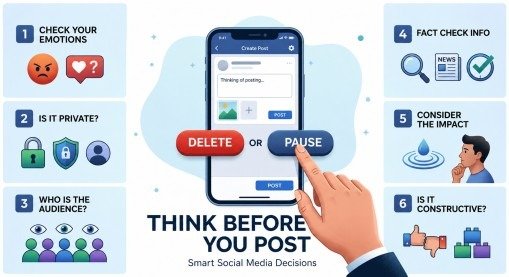
Children often post quickly without thinking. However, online posts can create long-term problems. Because of this, parents should teach children to pause before sharing anything online.
A simple rule works well:
“Think Before You Post”
Children should ask themselves:
- Is this information private?
- Could this hurt someone?
- Would I feel okay if everyone saw this?
- Could this create problems later?
This habit helps children become more responsible online users. As a result, it becomes easier to keep Children Safe on Facebook over time.
Set Healthy Screen Time Rules
Social media should not control a child’s daily life. Too much screen time can affect sleep, school performance, and mental health.
Parents can create healthy limits by setting simple family rules. For example:
- No phones during meals
- No social media before bedtime
- Study time comes first
- Family time without screens
At the same time, parents should follow these rules too. Children learn more from actions than words. Healthy digital balance is important for keeping Children Safe on Facebook and other online platforms.
Teach Children How to Report Problems
Children should know how to respond if something feels wrong online. Facebook offers tools for blocking users and reporting harmful content.
Parents can show children how to:
- Block unwanted users
- Report bullying or fake accounts
- Report harmful content
- Leave unsafe groups or chats
When children know what to do, they feel safer and more confident online. This also reduces panic during difficult situations.
Teaching reporting tools is another smart way to keep Children Safe on Facebook.
Stay Involved Without Spying
Many parents struggle to balance safety and privacy. Children need guidance, but they also need trust.
Instead of secretly checking every message, parents should stay involved naturally. Ask questions about online activities in a friendly way. Show interest in what your child enjoys online.
You can ask:
- What videos do you like watching?
- Who do you talk with online?
- What new apps are popular at school?
This creates open communication instead of fear. As a result, children become more willing to share problems honestly.
Healthy communication plays a major role in keeping Children Safe on Facebook.
Be a Good Digital Role Model
Children often copy adult behavior. Therefore, parents should model safe and respectful online habits.
Parents should avoid:
- Oversharing personal details
- Posting angry comments
- Spending too much time online
- Sharing harmful content
Instead, show children how to use social media responsibly. Respectful online behavior teaches powerful lessons naturally.
Good parenting habits can strongly support efforts to keep Children Safe on Facebook.
Use Safety Tools and Parental Controls
Several digital tools can help parents manage online safety. Facebook privacy settings are useful, but additional parental controls may provide extra protection.
These tools can help parents:
- Monitor screen time
- Block unsafe websites
- Filter harmful content
- Manage app access
Still, parental controls should support communication — not replace it. Open conversations remain the best protection for children online.
Combining technology with trust is one of the strongest ways to keep Children Safe on Facebook.
Common Mistakes Parents Should Avoid
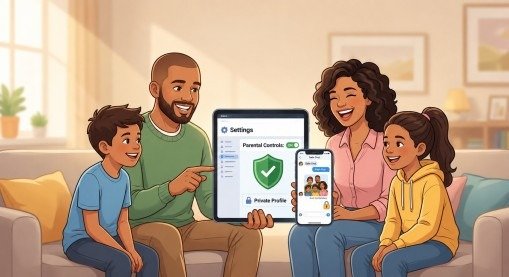
Parents sometimes make common online safety mistakes that can affect children’s protection. Ignoring social media, using fear instead of support, allowing too much privacy, and not checking privacy settings regularly can create risks. However, with calm guidance, proper supervision, and regular updates, parents can avoid these problems. This helps create a safer and more secure online environment for children.
Conclusion
Social media can be useful, fun, and educational for children. However, safety must always come first. Parents play the biggest role in helping children build smart online habits. Through open communication, privacy settings, emotional support, and healthy digital rules, families can create a much safer online experience.
Keeping Children Safe on Facebook does not require fear or strict control. Instead, it requires guidance, trust, and regular conversations. When parents stay involved and children feel supported, online safety becomes much easier to manage.
In the end, the goal is not to stop children from using technology. The real goal is to help them use it wisely, safely, and confidently. By following these practical tips, every family can take important steps toward keeping Children Safe on Facebook in today’s digital world.
FAQ’s
1. What is the best way to keep children safe on Facebook?
The best way is to use privacy settings, teach safe online habits, and keep open communication with children.
2. Why is Facebook safety important for children?
Facebook safety is important because children can face risks like strangers, cyberbullying, and exposure to harmful content.
3. How can parents control what their child sees on Facebook?
Parents can adjust privacy settings, limit friend requests, and manage who can view posts and photos.
4. What should children do if they face cyberbullying on Facebook?
Children should block the user, report the content, and immediately inform a trusted parent or adult.
5. Are parental controls enough to keep children safe online?
Parental controls help a lot, but combining them with guidance, trust, and communication gives the best protection.
Meta Description
Learn how to keep children safe on Facebook with easy parental tips, privacy settings, cyberbullying protection, and smart online safety practices for kids.