

Remember when Facebook was the internet?
Every family photo, every birthday wish, every breaking news story — it all lived on Facebook. At its peak, the platform had over 3 billion monthly active users and was the undisputed king of social media. Brands built entire marketing strategies around it. Businesses grew empires on its ad platform. Families stayed connected across continents through it.
But something shifted. Quietly at first — then loudly and undeniably.
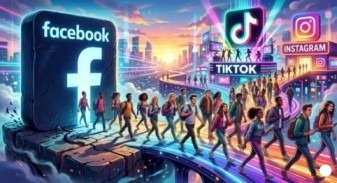
Teenagers abandoned it for TikTok. Young professionals migrated to Instagram and LinkedIn. Advertisers started questioning their ROI. Engagement rates dropped. Organic reach collapsed to near zero. Scandal after scandal eroded public trust until the name “Facebook” became almost synonymous with data privacy violations and political misinformation.
So the question every marketer, business owner, and digital strategist is asking in 2026 is unavoidable — is Facebook losing its value? And more importantly — is there any way back?
This article examines the real, data-backed problems driving Facebook’s decline and explores the solutions that could determine whether the platform rebuilds its position or continues fading into social media platform decline history.

The Rise and Fall — Is Facebook Losing Its Value or Just Changing?
To understand Facebook’s relevance in 2026 — or lack of it — you need to understand where that value came from in the first place.
Facebook’s power was built on three pillars — massive scale, unmatched targeting data, and social connection. Advertisers paid premium prices because Facebook knew its users better than any platform in history. Families chose it because everyone they loved was already there. Businesses invested because the return was real and measurable.
All three pillars are now cracking simultaneously — and that is what makes the current social media platform decline genuinely serious for Meta’s long-term future.
Problem 1 — The Youth Exodus Is Accelerating
The most existential problem Facebook faces is demographic collapse among younger users. Teenagers and users in the 18 to 24 age bracket — the advertisers’ most coveted demographic — have been leaving Facebook for years. By 2026, this is no longer a trend. It is a structural reality. Many analysts argue this single factor alone answers the question — is Facebook losing its value among the next generation? Absolutely yes.
TikTok captures their entertainment. Instagram (also owned by Meta) captures their social sharing. Snapchat captures their private communication. BeReal captured their authenticity. What does Facebook capture? Increasingly — nothing.
The average Facebook user is now in their mid-to-late thirties and aging upward every year. This creates a compounding crisis — as the platform’s demographic grows older, it becomes progressively less attractive to the youth-obsessed advertising market, which drives down ad revenues, which reduces investment in the platform, which accelerates Facebook’s decline.
A platform that cannot attract young users today has no organic future users tomorrow. That is the quiet alarm bell ringing loudest inside Meta’s boardrooms right now.
Problem 2 — Organic Reach Has Effectively Died
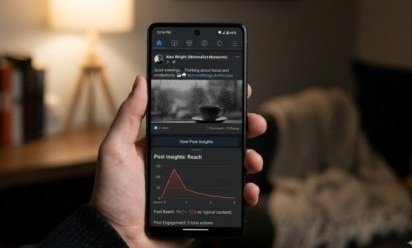
In 2012, a Facebook post from a business page reached approximately 16% of its followers organically. By 2026, that number sits below 2% for most pages — and often significantly lower for larger accounts.
This algorithmic collapse of organic reach has destroyed Facebook’s value proposition for small businesses and content creators who built their audiences on the platform. They invested years growing Facebook followings only to discover those audiences had been effectively held hostage — visible only through paid promotion. For these creators and businesses, is Facebook losing its value? The answer stopped being a debate a long time ago.
The message this sends is damaging beyond the immediate financial impact. It signals that Facebook views its users and page owners as revenue sources rather than community members. That transactional relationship erodes the genuine engagement and authentic connection that made the platform valuable in the first place.
When creators cannot reach their own audiences without paying, they move to platforms that respect the relationship they built. And in 2026, there are more alternatives than ever before.
Problem 3 — Trust Has Been Irreparably Damaged
The Cambridge Analytica scandal was not just a news story — it was a cultural turning point. When it emerged that the personal data of 87 million Facebook users had been harvested and used to influence elections, the platform’s relationship with its own user base fundamentally changed.
Trust, once broken at that scale, does not fully recover. Multiple subsequent controversies — accusations of amplifying misinformation, internal documents revealing the company’s awareness of Instagram’s harm to teenage girls, and consistent data privacy violations across global markets — have layered damage upon damage.
Regulatory consequences followed. GDPR enforcement in Europe, landmark privacy legislation in the United States, and increased scrutiny from regulators worldwide have each chipped away at the advertising targeting capabilities that made Facebook’s ad platform so profitable.
Facebook’s relevance in 2026 is not threatened by technical failures alone. It is threatened because it lost the one thing that cannot be bought back with advertising spend — the genuine trust of its users. And without trust, no social media platform survives long-term.
Problem 4 — Competition Has Become Overwhelmingly Strong
In 2010, Facebook had no serious competitor in social networking. Today it competes on every front simultaneously — and loses ground on most of them. When you look at this competitive landscape honestly, the question is Facebook losing its value as a dominant platform becomes very easy to answer.
TikTok dominates short-form video with superior algorithm-driven content discovery. YouTube holds video depth and long-form content. LinkedIn owns professional networking. Pinterest dominates visual discovery. Twitter/X captures real-time news and public discourse. Snapchat holds messaging among younger demographics.
Facebook is simultaneously trying to compete in every category and winning decisively in none. The Metaverse pivot — Meta’s $36 billion bet on virtual reality social interaction — has produced minimal mainstream adoption despite massive investment, leaving the core platform starved of innovation resources while Facebook’s future grows increasingly uncertain.
Competing everywhere with unlimited resources is difficult. Competing everywhere while losing user trust and demographic relevance is genuinely dangerous for any social media platform decline story this size.
Problem 5 — Content Quality and Feed Experience Are Declining
Ask any regular Facebook user what their feed looks like in 2026. The honest answer is almost universally the same — an overwhelming mixture of reposted memes, politically charged content, sponsored posts, suggested content from strangers, and Reels the algorithm decided they should see rather than content from the people they actually chose to follow.
The authentic, friend-and-family social connection that built Facebook’s initial dominance has been replaced by an algorithmically curated content experience that prioritizes engagement — specifically outrage and emotional reaction — over genuine social value.
This feed degradation is self-reinforcing. Lower content quality drives lower engagement. Lower engagement triggers the algorithm to insert more suggested content. More suggested content further reduces authentic social connection. The cycle continues until users open the app out of habit rather than genuine desire — and then eventually stop opening it at all. Every time this cycle repeats, the answer to is Facebook losing its value becomes louder and clearer.
Possible Solution 1 — Recommit to Authentic Social Connection
Facebook’s original value was simple and powerful — it connected real people with real friends and real family. Every major algorithm change since 2015 has moved the platform further away from that original promise. If Meta genuinely wants to stop people from asking is Facebook losing its value, recommitting to authentic social connection is the most direct answer available.
The solution is not a new feature or a new product category. It is a fundamental recommitment to prioritizing genuine social connection in the feed. Show users what their actual friends are doing. Reduce suggested content from strangers. Reduce algorithmically amplified outrage content. Make Facebook feel like gathering with people you know rather than scrolling through a crowded stranger’s argument.
This means accepting lower short-term engagement metrics in exchange for rebuilding the authentic daily habit that made Facebook irreplaceable. It is a painful trade-off — but the alternative is continued decline.
Possible Solution 2 — Rebuild Trust Through Radical Transparency
Rebuilding trust requires more than policy changes announced in press releases. It requires behavioral change that users can see and verify.
Facebook needs a genuine privacy-first redesign of its advertising infrastructure — one that delivers results for advertisers without requiring surveillance-level data collection from users. Apple’s App Tracking Transparency showed that users will actively choose privacy when given the option. Facebook’s response should be to lead on privacy rather than fight against it.
Publishing regular, independently verified transparency reports on content moderation decisions, algorithm changes, and data usage would demonstrate accountability rather than just claiming it. Trust is rebuilt through consistent, verifiable action over years — not through marketing campaigns.
Possible Solution 3 — Give Creators and Businesses Real Organic Reach
The decision to collapse organic reach in favor of paid promotion was strategically short-sighted. It generated immediate advertising revenue while destroying the creator ecosystem that made the platform’s content compelling. Marketers who once celebrated Facebook’s reach now openly ask is Facebook losing its value as a marketing channel — and the organic reach collapse is their primary reason.
Facebook needs a new creator economy model that genuinely rewards quality content with organic distribution — similar to TikTok’s content discovery engine which shows great content to new audiences regardless of follower count. When creators can build real audiences organically, they invest in the platform. When businesses see genuine organic results, they stay and advertise additionally rather than feeling forced to pay just to reach people who already followed them.
Possible Solution 4 — Own a Specific Audience Segment Completely
Rather than trying to be everything to everyone — and losing to specialists on every front — Facebook’s future depends on owning a specific user segment completely and building an unbeatable experience for that demographic.
The over-35 demographic that still actively uses Facebook represents a genuinely underserved market. These users have significant purchasing power, strong brand loyalty, and deep engagement with community-oriented content. Instead of chasing teenagers who do not want to be on the same platform as their parents, Facebook could lean into community groups, local business connections, family networks, and life events for an audience that is actively choosing to stay.
Being the best platform for a specific audience is more sustainable than being a mediocre platform for every audience simultaneously. This strategic focus could reverse Facebook’s decline more effectively than any new product launch.

Final Thoughts
Is Facebook losing its value? The honest answer in 2026 is — yes, in many of the ways that originally made it revolutionary.
Youth engagement is declining. Organic reach is nearly dead. Trust has been severely damaged. Competition has never been stronger. Content quality in the feed has deteriorated. Facebook’s decline is real, measurable, and accelerating in the demographics that matter most to advertisers.
But Facebook’s future is not finished. With 3 billion monthly active users, it remains one of the largest communication platforms ever built. The advertising infrastructure, despite its challenges, still delivers measurable results for the right businesses targeting the right demographics. Facebook Groups represent a genuinely healthy and growing community ecosystem. And Marketplace has become a dominant local commerce platform in many markets.
The path forward requires honesty about what went wrong, courage to rebuild trust rather than just managing Facebook’s decline, and strategic focus on what the platform can genuinely do better than any competitor.
Whether Meta has the will to make those changes — or whether it continues optimizing short-term metrics while Facebook’s relevance in 2026 continues to erode — will determine the final answer to the question everyone in digital marketing is watching closely.
Is Facebook losing its value? Right now, yes. Whether that story ends here depends entirely on what happens next.
Frequently Asked Questions
Q1: Is Facebook still relevant for businesses in 2026?
Yes — but selectively. Facebook remains highly effective for businesses targeting users aged 30 and above, local community marketing, Facebook Groups-based engagement, and Marketplace commerce. For brands targeting Gen Z, other platforms deliver better results.
Q2: Why are young people leaving Facebook?
Young users find Facebook’s feed experience outdated, cluttered, and dominated by content from people they do not know. TikTok’s entertainment-first discovery model and Instagram’s visual culture better match the content consumption habits of users aged 13 to 24.
Q3: Does Facebook still have good advertising ROI in 2026?
For many business categories — particularly local services, ecommerce targeting older demographics, and B2C brands — Facebook advertising still delivers positive ROI. However, rising ad costs and reduced targeting precision due to privacy changes have lowered returns compared to peak years.
Meta Description:
Is Facebook losing its value in 2026? Discover the real problems hurting Facebook’s growth and the proven solutions that could save its future relevance.
- The Rise and Fall — Is Facebook Losing Its Value or Just Changing?
- Problem 1 — The Youth Exodus Is Accelerating
- Problem 2 — Organic Reach Has Effectively Died
- Problem 3 — Trust Has Been Irreparably Damaged
- Problem 4 — Competition Has Become Overwhelmingly Strong
- Problem 5 — Content Quality and Feed Experience Are Declining
- Possible Solution 1 — Recommit to Authentic Social Connection
- Possible Solution 2 — Rebuild Trust Through Radical Transparency
- Possible Solution 3 — Give Creators and Businesses Real Organic Reach
- Possible Solution 4 — Own a Specific Audience Segment Completely
- Final Thoughts
- Frequently Asked Questions
- Meta Description: