
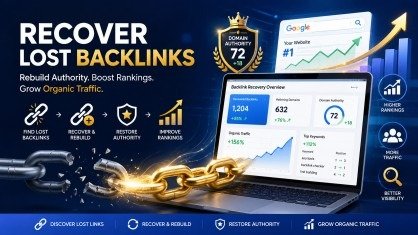
Recovering lost backlinks is one of the most powerful SEO strategies every website owner should understand to achieve long-term success in search rankings. Backlinks are like trust signals from other websites. When a high-quality website links to your content, it signals to search engines that your page is useful and reliable. But when these links are lost, your website slowly starts losing authority, traffic, and ranking strength.
In most cases, website owners do not even realize when backlinks are lost. Pages get deleted, URLs change, or websites update their content structure. As a result, valuable links stop working. This is why learning how to Recover Lost Backlinks is very important. It helps you bring back lost SEO value without building everything from zero again.
Recovering lost backlinks is not only about fixing links, but it is also about protecting your website’s long-term growth. When you recover these links, you restore authority, improve visibility, and strengthen your overall SEO performance. It also helps you maintain consistent organic traffic growth by preventing sudden ranking drops caused by broken or removed backlinks. Over time, this practice builds a stronger and more stable SEO foundation for your website.
What Are Lost Backlinks?
Lost backlinks are links that once pointed to your website but are no longer active. This happens when the source page is removed, changed, or moved to another URL without proper redirection. When this happens, users and search engines land on error pages instead of your content.
To Recover Lost Backlinks, you first need to understand where they come from. Some lost backlinks happen because of your own website changes, while others happen when external websites update their content or delete pages.
Even though these links are lost, their value is not completely gone. In many cases, you can still Recover Lost Backlinks by using proper SEO techniques like redirects, outreach, or content restoration.
Why Recover Lost Backlinks Is Important for SEO
Recover Lost Backlinks is important because backlinks directly affect your search engine rankings. Search engines like Google use backlinks as signals of trust and authority. When those links disappear, your rankings can drop slowly over time.
Another reason to Recover Lost Backlinks is traffic recovery. Many backlinks send real visitors to your website. When a link breaks, that traffic disappears instantly. By fixing these issues, you can bring back lost visitors without extra marketing cost.
Recover Lost Backlinks also helps maintain your website’s SEO stability. Instead of constantly building new links, you can protect the value of links you already earned. This makes your SEO strategy more efficient and powerful.
How to Find Lost Backlinks
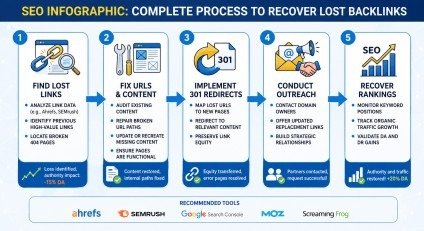
Before you can Recover Lost Backlinks, you must first find them. This is a very important step because without identification, you cannot fix the problem.
SEO tools like Ahrefs, Semrush, and Google Search Console help you find lost backlinks easily. These tools show which pages have lost links and which URLs are causing errors.
You should also look for 404 error pages on your website. These pages often indicate missing backlinks or broken internal links. Regular checking helps you Recover Lost Backlinks before they cause serious damage to your SEO performance.
Another simple method is backlink monitoring. When you track your backlinks regularly, you can quickly notice when a link is lost and take action immediately. Regular backlink audits help you understand which pages are losing authority over time. This also allows you to plan quick recovery actions before rankings drop.
Best Methods to Recover Lost Backlinks
Once you find lost links, the next step is to Recover Lost Backlinks using simple but effective methods. Combining multiple recovery methods gives the best results. For example, using redirects along with outreach can recover both traffic and SEO value more effectively.
Outreach to Website Owners
One of the best ways to Recover Lost Backlinks is by contacting the website owner. Sometimes links are removed by mistake or due to small errors in the URL. A polite message can often fix the issue quickly. Many website owners are willing to update broken links when informed properly.
Use 301 Redirects
A very powerful method to Recover Lost Backlinks is using 301 redirects. If a page has been moved to a new URL, a redirect will automatically send users and search engines to the correct page. This helps preserve SEO value and ensures you do not lose ranking strength.
Recreate Deleted Pages
Sometimes the best way to Recover Lost Backlinks is to recreate the missing page. If a deleted page had strong backlinks and good traffic, rebuilding similar content can restore its value. This method is very effective for high-authority pages.
It also helps preserve the original SEO relevance and ensures that users still find the information they were looking for. Over time, this can significantly improve your website’s overall backlink strength and ranking performance.
Fix URL Errors
Many backlinks are lost due to small URL mistakes. A missing slash, wrong character, or incorrect structure can break a link. Fixing these errors is a simple but important way to Recover Lost Backlinks quickly.
Tools That Help You Recover Lost Backlinks

Using SEO tools makes it much easier to Recover Lost Backlinks at scale. Tools like Ahrefs, Moz, and Semrush give detailed reports about lost and broken backlinks.
Google Search Console is also very useful because it shows crawl errors, missing pages, and indexing issues. With these insights, you can quickly identify which pages need attention.
By using these tools regularly, you can Recover Lost Backlinks before they start affecting your rankings. This keeps your SEO performance stable and strong. These tools also help you compare past and present backlink data, which makes it easier to detect sudden drops and fix issues quickly.
Common Mistakes to Avoid
Many website owners fail to Recover Lost Backlinks because they ignore small SEO problems. One common mistake is not using redirects after changing URLs. This leads to permanent link loss.
Another mistake is ignoring old pages that still have backlinks. Even if a page seems unimportant, it may still carry strong SEO value. To properly Recover Lost Backlinks, every broken page should be checked carefully.
Avoiding these mistakes helps you maintain a strong and healthy backlink profile over time.
Benefits of Recovering Lost Backlinks
When you Recover Lost Backlinks, you restore lost authority, traffic, and ranking power. This improves your website’s overall SEO performance without needing new backlinks.
It also saves time and effort. Instead of building new links from scratch, you simply restore existing SEO value. This makes Recover Lost Backlinks one of the most efficient SEO strategies.
Another benefit is improved user experience. When links are fixed, visitors can easily access the right pages instead of landing on error pages.
Most importantly, Recover Lost Backlinks helps you maintain long-term ranking stability. Websites that regularly manage and recover their backlinks perform much better in search results. Recovering lost backlinks also improves your domain trust score, which helps new content rank faster in search engines.
Conclusion
Recover Lost Backlinks is not just a technical SEO task, it is a long-term strategy for protecting and growing your website authority. Lost backlinks can silently reduce your rankings, traffic, and visibility, but with the right approach, you can easily fix them.
By using tools, outreach, redirects, and content updates, you can successfully Recover Lost Backlinks and restore lost SEO value. This helps your website stay strong in search engines and ahead of competitors.
If you consistently Recover Lost Backlinks, your website will become more stable, more trusted, and more powerful in search rankings over time.
Regular monitoring of backlinks also helps you maintain steady SEO growth and prevents sudden drops in traffic. It also ensures your website keeps gaining long-term authority in your niche.
FAQs (Recover Lost Backlinks)
1. Is Recover Lost Backlinks important for SEO?
Recover Lost Backlinks restores SEO authority and improves website visibility and search rankings effectively. It also helps your site regain lost organic traffic and maintain long-term growth.
2. How often should lost backlinks be checked?
Lost backlinks should be checked regularly to control SEO loss and keep rankings stable over time. This helps you quickly fix issues before they impact your website performance.
3. Can 301 redirects help recover lost backlinks?
301 redirects transfer SEO value from old URLs to new pages and help preserve link equity and ranking strength. They also ensure users reach the correct updated content without errors.
4. Is it necessary to recover every lost backlink?
Not every lost backlink needs recovery, only high-quality and relevant ones should be prioritized for better SEO results. This helps you focus on links that actually improve rankings and authority.
5. Can lost backlinks be recovered without SEO tools?
Manual methods are possible, but SEO tools make the process faster, easier, and more accurate for finding and fixing links. They also help you track backlinks at scale without missing important data.
Meta Description
Learn how to easily Recover Lost Backlinks and boost your SEO rankings by restoring lost link value, improving authority, and increasing organic traffic.