

What if you could get more website traffic without competing with big websites?
Many bloggers and website owners publish content again and again. But they still do not get good results from Google. Most of the time, the problem is not bad writing. The real problem is choosing the wrong keywords. When you target very difficult keywords, it becomes hard to rank.
One smart way to grow is by using low-competition keywords. These keywords are easier to rank for and can help bring traffic faster. They also help your website build trust over time. Instead of chasing big numbers, focus on keywords that give real chances to grow. In this guide, you will learn simple ways to find them.
What Are Low Competition Keywords?
Low Competition Keywords are search terms that are easier to rank for.
They usually have fewer websites competing for them. Some of these keywords may have lower search volume, but they can still bring useful traffic.
For example, ranking for a broad keyword can be difficult. But a more specific keyword often gives better results and attracts the right visitors.
Why Low Competition Keywords Matter
Many website owners believe they should only target keywords with large monthly searches. In reality, high search volume does not always lead to results.
When you target easier opportunities, your content has a stronger chance of appearing on page one. As your pages begin to rank, search engines slowly build trust in your website.
Over time this trust helps you compete for larger keywords as well.
How to Find Low Competition Keywords with High Traffic Potential
Start with Topic Research
Every strong keyword strategy starts with ideas.
Choose a broad topic related to your website and write down as many content ideas as possible. Focus only on relevance at this stage.
If your niche is SEO, possible categories could include keyword research, blogging, rankings, search intent, content writing, and website growth.
Do not worry about difficulty yet. Your goal here is to collect opportunities.
Use Keyword Research Tools
Keyword tools help you understand whether an idea has ranking potential.
A good tool allows you to check search volume, keyword difficulty, related terms, and search trends.
Instead of selecting keywords only because they look popular, look for balance. Keywords with manageable difficulty and reasonable search interest usually perform better.
This is where Low Competition Keywords become valuable because they often deliver faster growth.
Understand Keyword Difficulty
Keyword difficulty estimates how difficult it may be to rank for a keyword. Lower scores usually mean lower competition.
However, difficulty scores should not become your only decision factor.
A keyword with moderate difficulty may still be easier if search results contain weaker content or smaller websites.
Always combine tool data with manual analysis.
Analyze Google Search Results
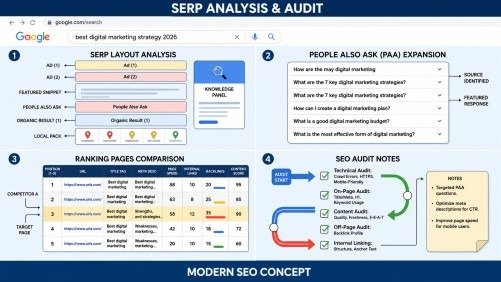
Search your target keyword before creating content.
Look at the pages already ranking.
Ask yourself:
- Are the articles outdated?
- Are the answers incomplete?
- Can I create something more helpful?
If the answer is yes, the keyword may still be worth targeting.
SERP analysis often reveals opportunities that tools cannot fully measure.
Focus on Search Intent
Search intent explains why users search.
If someone searches for information, your content should educate.
If someone wants to compare products, your article should help comparison.
Matching intent improves rankings because visitors find what they expect.
Many websites ignore this step and lose traffic.
Use Long-Tail Keywords
Long-tail keywords are usually more specific searches. These searches often attract visitors who already know what they want.
For example, instead of targeting a broad keyword, create content around more detailed user questions.
This approach frequently uncovers hidden Low Competition Keywords with strong ranking potential.
Long-tail content also helps search engines understand your expertise.
Explore Google for More Ideas
Google itself provides excellent research opportunities.
Use search suggestions, People Also Ask questions, and related searches.
These sections show real topics users search every day.
Collect patterns instead of random ideas.
If several searches point toward one theme, that theme may deserve its own article.
Learn from Competitors
Competitor analysis is not copying.
It is understanding what already works and improving it.
Look for weak content, missing information, and outdated articles.
Your goal should always be to create something more useful and easier to understand.
This process regularly uncovers valuable Low Competition Keywords.
Build Topic Clusters Instead of Single Articles
Modern SEO rewards topic depth.
Instead of publishing isolated posts, create connected articles around one main subject. When pages support each other through internal links, search engines understand your expertise more clearly.
Topic clusters also increase the chances of ranking for multiple related searches.
Balance Search Volume and Competition
A keyword should not be selected based on search volume alone.
Sometimes a smaller keyword with lower competition produces better results than a difficult keyword with huge volume.
The best opportunities usually combine:
- Reasonable search demand
- Lower ranking difficulty
- Clear user intent
This balance creates sustainable growth.
How to Validate Keywords Before Writing
Finding keywords is important, but validating them before writing saves time and effort.
Many people collect hundreds of keyword ideas and immediately start publishing. Later they discover that the topic had no real ranking opportunity. Validation helps avoid that mistake.
Start by searching your keyword manually and studying the first page.
Look carefully at the content ranking there.
Ask these questions:
- Are results directly answering the query?
- Are websites extremely authoritative?
- Is content updated recently?
- Can your article provide something more useful?
If search results look weak or incomplete, that keyword may have potential.
Validation also helps identify whether your selected Low Competition Keywords truly match user expectations.
Measure Traffic Potential Instead of Search Volume
Search volume alone does not tell the full story.
A keyword with 300 monthly searches can sometimes generate more traffic than a keyword with 5000 monthly searches.
This happens because one article often ranks for many related searches.
Traffic potential means estimating how much total traffic a page can earn from all related terms.
For example, an article about keyword research may rank for:
- keyword planning
- keyword analysis
- SEO keyword process
- beginner keyword guide
This creates more value than focusing on one exact phrase.
When researching Low Competition Keywords, think beyond the displayed search number.
Understand Topical Authority
Topical authority means becoming trusted in one subject area.
Search engines prefer websites that consistently publish related content.
If your website talks about blogging, continue covering connected topics instead of publishing random content.
For example:
Main Topic:
Keyword Research
Supporting Topics:
Content planning, search intent, SEO basics, topic clusters, content updates.
Over time this signals expertise.
This is why targeting connected Low Competition Keywords works better than publishing unrelated posts.
Use Internal Linking for Better SEO
Internal links connect related pages on your website.
They help users discover more content and help search engines understand relationships between pages.
When writing articles, link naturally to supporting content.
Avoid adding too many links.
Instead, focus on relevance.
Good internal linking improves crawling and increases page authority.
This strategy becomes more powerful when working with Low Competition Keywords because supporting pages strengthen each other.
The Best Long-Term Strategy for Sustainable Growth
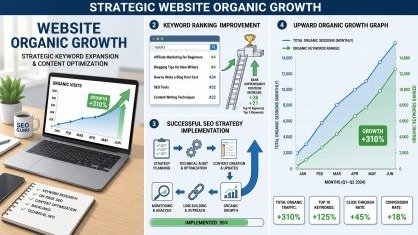
Short-term traffic feels exciting, but sustainable growth wins.
Build content that remains useful months and years later.
Choose realistic opportunities.
Publish consistently.
Improve existing articles.
Create connected topic clusters.
This approach turns individual articles into a system that continuously attracts visitors.
The websites that grow fastest are usually not publishing the most content.
They are publishing the most focused content.
That is exactly why smart use of Low Competition Keywords continues to work year after year.
Create Content That Deserves Rankings
Keyword research opens the door. Content quality keeps rankings. Your article should answer questions clearly and provide complete information. Use simple language, meaningful headings, and real examples. Avoid keyword stuffing and focus on helping readers. When useful content meets smart keyword selection, results improve naturally.
Final Thoughts
Growing organic traffic does not require chasing impossible keywords. A better strategy is choosing opportunities that match your website strength and user needs.
That is why Low Competition Keywords remain one of the strongest SEO approaches.
Start with smaller wins, build authority, and continue improving your content. Over time, these small gains turn into consistent and long-term traffic growth. Keep testing new ideas, analyzing results, and improving your strategy over time. The websites that succeed in SEO are usually not the fastest but the ones that stay consistent and focus on delivering real value to users.
Frequently Asked Questions (FAQs)
1. How do you find low competition keywords with high traffic potential?
Start by using keyword research tools, checking keyword difficulty, and analyzing search intent. Focus on keywords that have lower competition but still show consistent search demand.
2. What is considered a good keyword difficulty score for beginners?
For new websites, lower difficulty keywords usually provide better opportunities because they are easier to rank and help build authority over time.
3. Are long-tail keywords better than short keywords for SEO?
Long-tail keywords are often easier to rank because they target specific user intent and usually face less competition in search results.
4. How many low competition keywords should be used in one article?
Use your primary keyword naturally and support it with related keywords. Focus on readability instead of repeating keywords unnecessarily.
5. How long does it take to rank for low competition keywords?
Ranking time depends on competition, content quality, and website authority, but easier keywords often show results faster than highly competitive topics.
Meta Description
Learn how to find low-competition keywords with high traffic potential using proven SEO strategies, keyword research methods, and ranking techniques to grow organic traffic.
- What Are Low Competition Keywords?
- Why Low Competition Keywords Matter
- How to Find Low Competition Keywords with High Traffic Potential
- Analyze Google Search Results
- Use Long-Tail Keywords
- Explore Google for More Ideas
- Learn from Competitors
- Build Topic Clusters Instead of Single Articles
- Balance Search Volume and Competition
- How to Validate Keywords Before Writing
- Use Internal Linking for Better SEO
- The Best Long-Term Strategy for Sustainable Growth
- Create Content That Deserves Rankings
- Final Thoughts
- Frequently Asked Questions (FAQs)
- 1. How do you find low competition keywords with high traffic potential?
- 2. What is considered a good keyword difficulty score for beginners?
- 3. Are long-tail keywords better than short keywords for SEO?
- 4. How many low competition keywords should be used in one article?
- 5. How long does it take to rank for low competition keywords?
- Meta Description