
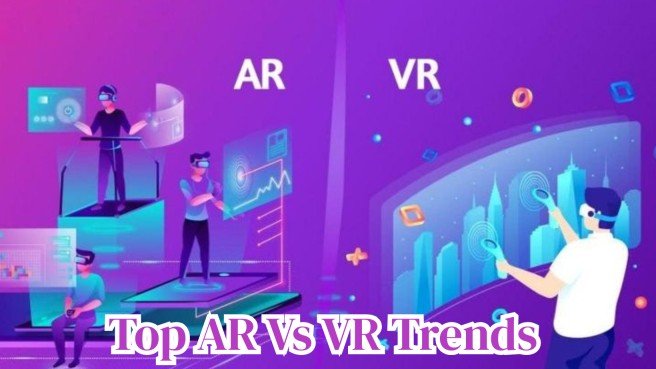
In 2026, Augmented Reality (AR) and Virtual Reality (VR) are no longer rare or experimental technologies. They are now a normal part of modern life. Many people use them every day without even thinking about it. These immersive technologies help people work faster, learn better, shop smarter, and communicate in new ways. AR adds digital elements to the real world. It places images, data, or instructions on top of what you already see. VR, on the other hand, creates a fully virtual environment that replaces the real world. Both technologies make tasks easier, more interactive, and more engaging. These innovations clearly highlight the importance of the top AR Vs VR trends shaping the digital landscape today.
Over time, AR and VR have grown from simple entertainment tools into powerful real-world digital solutions. In the past, VR was mostly used for gaming. AR was popular in social media filters and fun mobile apps. These early uses were basic, but they showed the strong potential of immersive technology. Today, AR and VR are used in schools, hospitals, offices, retail stores, factories, and homes. Faster internet, cloud computing, smarter software, and lightweight devices have made these tools more affordable and accessible. Businesses and individuals alike are closely watching the top AR Vs VR trends to stay competitive in this evolving digital era.
In this article, you will explore the top AR Vs VR trends in 2026. You will learn how immersive technology is transforming healthcare, education, retail, fitness, and social interaction. Whether you are a business owner, student, content creator, or technology enthusiast, this guide will help you understand what is happening now and what the future may bring.
How AR and VR Have Evolved by 2026
AR and VR have developed quickly in recent years. In the early 2020s, VR was mainly connected with gaming consoles and entertainment platforms. AR was mostly seen in smartphone applications that added digital effects to pictures and short videos.
By 2025, both technologies expanded into professional industries. Schools began using VR for interactive lessons and virtual science labs. Hospitals started using VR for surgery practice and patient therapy. Businesses adopted AR for product visualization, maintenance support, and employee training programs.
In 2026, AR and VR devices are lighter, faster, and more powerful. Smart glasses are more comfortable. VR headsets offer clearer displays and better motion tracking. Internet speeds like 5G and improved Wi-Fi make immersive experiences smooth and stable.
Today, AR and VR are no longer experimental tools. They are practical systems used in daily work, education, healthcare, and entertainment.
Top AR Vs VR Trends in 2026
AR and VR have developed quickly in recent years. In the early 2020s, VR was mainly connected with gaming consoles and entertainment platforms. Many users purchased VR headsets primarily for interactive gaming experiences. AR was mostly seen in smartphone applications that added digital effects to pictures and short videos. It was entertaining but not considered essential for daily productivity.
By 2025, both technologies expanded into professional industries. Schools began using VR for interactive lessons and virtual science labs where students could explore complex topics in a safe environment. Hospitals started using VR for surgery practice and patient therapy. Businesses adopted AR for product visualization, maintenance support, and employee training programs. Retail brands introduced virtual try-on systems to improve customer satisfaction.
In 2026, AR and VR devices are lighter, faster, and more powerful. Smart glasses are more comfortable and stylish. VR headsets offer clearer displays, higher refresh rates, and better motion tracking. Internet speeds like 5G and improved Wi-Fi 6 and Wi-Fi 7 make immersive experiences smooth and stable. Cloud-based processing reduces device weight while improving performance.
Today, AR and VR are no longer experimental tools. They are practical systems used in daily work, education, healthcare, training, and entertainment. Companies now see immersive technology as a long-term investment rather than a temporary trend.
1. AR and VR Are Becoming Everyday Tools
AR and VR are no longer limited to gaming or tech experts. Ordinary users now rely on them for daily tasks. These immersive tools help people complete work faster and make better decisions.
Examples of everyday use:
- Workers use AR glasses for step-by-step repair instructions.
- Doctors use VR to practice surgeries in safe virtual environments.
- Students learn through interactive virtual classrooms.
- Shoppers preview furniture or clothes before buying.
These practical uses show how AR and VR are becoming part of normal life. Instead of being optional, they are becoming essential productivity tools.
2. Mixed Reality Technology Is Growing
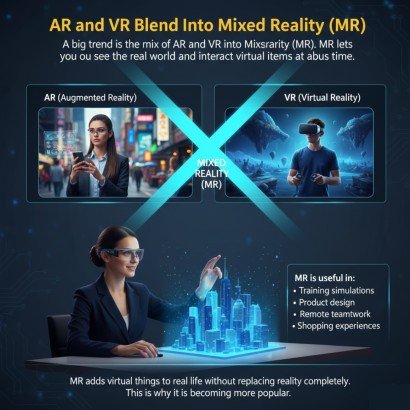
Mixed Reality (MR) combines AR and VR features. It allows users to interact with both real and virtual objects at the same time. This creates a blended environment where digital content feels anchored in the real world.
Mixed Reality supports:
- Professional training simulations.
- Product design and 3D testing.
- Remote teamwork in shared digital spaces.
- Interactive retail experiences.
As hardware improves, mixed reality is becoming more common in offices, hospitals, and training centers. It allows professionals to interact naturally with digital systems while staying aware of their surroundings.
3. Smart Glasses Are Becoming More Useful
Smart glasses are gaining popularity in 2026. They are lighter than traditional VR headsets and easier to wear for long hours. Many companies are developing stylish AR glasses for both work and personal use.
Smart glasses support:
- Real-time navigation.
- Instant language translation.
- Product previews in stores.
- Hands-free work guidance.
These features make smart glasses one of the most important AR trends in 2026. They blend digital convenience with everyday lifestyle.
4. AI Is Making AR and VR Smarter
Artificial Intelligence (AI) plays a big role in improving AR and VR systems. AI helps devices understand user behavior, recognize objects, and adjust experiences automatically.
AI improves immersive technology by:
- Creating intelligent virtual assistants.
- Personalizing digital learning content.
- Recognizing real-world objects instantly.
- Making VR avatars more realistic and responsive.
With AI integration, AR and VR experiences feel more natural, adaptive, and human-like.
5. Better Graphics and Realistic Experiences
Visual quality has improved greatly. VR environments now look more realistic than ever before. Motion tracking is smoother, reducing motion sickness. Sound effects are clearer and more immersive.
New improvements include:
- High-resolution VR displays.
- Realistic lighting and textures.
- Accurate hand and body tracking.
- Immersive 3D spatial audio.
These upgrades make virtual environments feel closer to real life, increasing user engagement and satisfaction.
6. AR and VR in Healthcare
Healthcare continues to benefit from AR and VR innovations. Hospitals and clinics use immersive technology to improve patient care and medical training.
Healthcare uses include:
- Surgical practice in VR simulations.
- Pain management through calming virtual scenes.
- Guided physical therapy programs.
- Mental health therapy support.
- Medical education for patients and students.
These applications improve safety, reduce medical errors, and enhance treatment results.
7. AR and VR in Education and Work
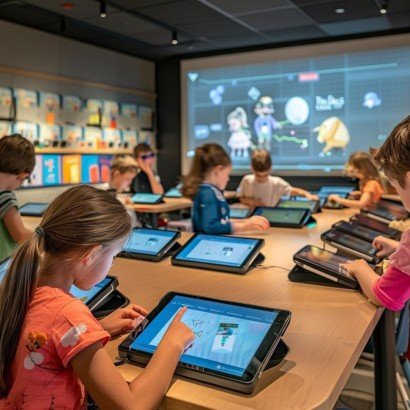
Education and corporate training are changing quickly. AR and VR create hands-on learning experiences that increase understanding and retention.
In education:
- Virtual classrooms increase student engagement.
- AR study tools make lessons interactive.
- Science simulations improve understanding.
- Students collaborate in shared virtual spaces.
In workplaces:
- Teams meet in virtual offices.
- Employees train in realistic VR simulations.
- AR supports technical repairs and complex tasks.
- Skill development becomes faster and safer.
These benefits show why immersive learning is growing worldwide.
8. Social Interaction in Virtual Worlds
Social VR platforms allow people to connect in digital spaces. These environments feel more interactive than traditional video calls.
People use Social VR to:
- Meet friends in 3D worlds.
- Attend virtual concerts and events.
- Explore online museums.
- Build communities and networks.
This trend is expanding as more users adopt VR headsets and seek immersive social experiences.
9. AR and VR in Shopping and Retail
Retail brands use AR and VR to improve customer experience. These technologies reduce buying mistakes and increase satisfaction.
Retail examples include:
- Virtual try-on for clothes and makeup.
- AR home previews for furniture.
- Virtual reality shopping stores.
- Interactive product demonstrations.
This improves both online and in-store shopping, helping brands increase trust and reduce product returns.
10. AR and VR in Fitness and Wellness
Fitness programs now use immersive technology to keep users motivated. These tools make exercise more engaging and enjoyable.
Wellness uses include:
- Virtual fitness coaching.
- AR-guided home workouts.
- VR-based sports games.
- Relaxation and meditation environments.
This trend supports both physical and mental health improvement while making fitness routines more interactive.
Conclusion
The Top AR Vs VR Trends in 2026 show that immersive technology is now part of everyday life. These digital solutions improve work, education, healthcare, shopping, entertainment, fitness, and social interaction.
As AR and VR continue to evolve, they are becoming more powerful, affordable, and accessible. Businesses gain better training systems. Schools create engaging lessons. Healthcare improves patient care. Individuals enjoy smarter digital experiences.
The future of immersive technology looks strong. Innovation is accelerating, and adoption is increasing globally. Understanding these trends helps you stay prepared for the digital world ahead.
Frequently Asked Questions (FAQs)
1. What is the main difference between AR and VR?
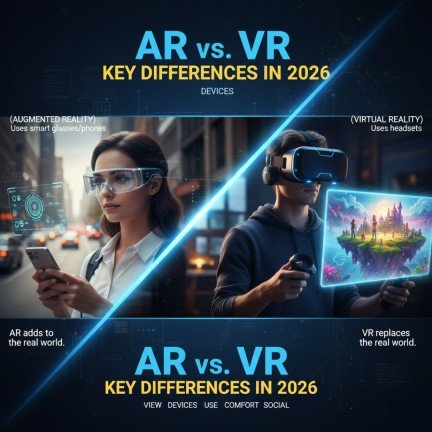
AR adds digital elements to the real world. VR creates a fully virtual environment that replaces reality.
2. Why are AR and VR popular in 2026?
Devices are now lighter, faster, and more affordable. Businesses and schools use them daily for better productivity and learning.
3. Which industries use AR and VR the most?
Healthcare, education, retail, manufacturing, and entertainment lead adoption. They use immersive tech for training, engagement, and efficiency.
4. How is AR and VR helping healthcare?
Doctors practice surgeries in VR simulations. AR supports real-time guidance during medical procedures.
5. How are schools using AR and VR?
Students learn through virtual classrooms and simulations. AR tools make lessons interactive and easier to understand.
Meta Description:
Explore the Top AR Vs VR Trends in 2026 and learn how immersive technology is reshaping business, education, healthcare, retail, fitness, and everyday digital experiences.