

What if many things you believe about technology are actually wrong?
Technology is part of our daily lives. We use phones, apps, AI tools, and the internet from morning to night, relying on digital devices for work, learning, and entertainment. Despite this, many old beliefs about technology still exist. These false ideas are called myths. They may sound true, but they are not. Because of these myths, people sometimes make wrong decisions, lose important data, or face serious security risks. In many cases, these misunderstandings even lead to unnecessary spending. Understanding the truth helps users act smarter and safer, which is why Technology Myths Debunked is so important.
In 2026, technology is advancing rapidly. AI is becoming smarter, internet speeds are faster, and smart devices are everywhere. Yet, many people still believe incorrect information. Some think Apple devices are immune to viruses. Others believe AI will replace all human jobs or that public WiFi is always safe. These assumptions are false and can lead to real problems. Learning the truth allows people to use modern technology effectively.
By recognizing facts over fiction, users can protect their data, make better decisions, and enjoy technology safely. Using devices wisely ensures efficiency, security, and productivity. Addressing Technology Myths Debunked helps everyone stay informed and make the most of modern innovations without falling for misleading beliefs.
1. Apple Devices Are Immune to Viruses
Many people think Apple devices never get viruses. This is not true. Apple devices provide better protection, but not full protection. Today, hackers also target Mac and iPhone users. As Apple becomes more popular, attacks are also rising. Malware, spyware, and phishing can affect macOS and iOS.
Many problems start when users click fake links or download unsafe apps. Sometimes, users trust unknown files and get infected. So, always keep your device updated. Install apps only from trusted stores. Do not click unknown links. Also, avoid downloading from unsafe websites. Simple care can keep your Apple device safe.
2. Public Wi-Fi with a Password Is Safe
Many users believe password Wi-Fi is secure. This is a myth. A password only decides who can access. It does not give total protection to your data. Hackers can still see open data on public networks. On public Wi-Fi, cybercriminals may steal login details, emails, and bank info. Fake Wi-Fi networks are also common. These look real but are dangerous.
So, avoid logging into bank or private accounts on public Wi-Fi. Use a VPN to protect your connection. Check HTTPS before entering any data. Also, turn off auto-connect Wi-Fi. These small steps improve safety.

3. Starlink Will Replace All Internet Providers
Satellite internet is improving fast. Because of this, some people think it will replace all internet services. This is not true. Starlink works very well in remote and rural areas. It helps people where fiber internet is not available.
But, in cities, fiber and cable are still faster and more stable. Weather and distance can also affect satellite internet. So, choose internet based on your needs and location. Starlink is great for remote areas or backup use, but not a full replacement yet.
4. AI Is Sentient
Movies often show AI as alive and conscious. Because of this, some people think AI has real feelings and emotions. But, this is not true. AI is not human. It has no emotions, no selfawareness, and no real understanding of the world. It does not think, feel, or make choices
like humans do.
AI reads large amounts of data, finds patterns, and gives answers based on programming. It follows rules, algorithms, and training data. It cannot feel joy, sadness, fear, love, or pain. It also cannot form opinions or moral judgments on its own.
So, think of AI as a powerful and smart tool. It can help with writing, research, learning, and daily tasks. But, humans must always guide important decisions. They should stay in control, especially in sensitive situations. This is necessary to ensure safety, accuracy, and responsibility.
5. AI Can Think Like Humans
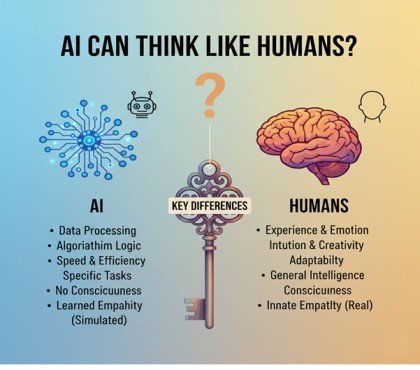
Some people believe AI thinks like humans. But, this is not true. AI does not think the way humans do. It predicts answers by studying data and patterns. It does not have real understanding of meaning, context, or life experience. Humans have creativity, emotions, imagination, and deep thinking.
They can understand feelings, make moral choices, and learn from life. AI cannot do this. It only follows patterns,
rules, and training data. It gives results based on probability, not real understanding.
Key differences between AI and humans:
- Humans have emotions, but AI has none.
- Humans understand meaning, while AI predicts patterns.
- Humans can think using new ideas, but AI follows data.
- Humans make ethical decisions, AI follows programming.
Always check AI answers before trusting them. Use AI as a smart helper for work, learning, and tasks. Even so, do not depend on it absolute for important decisions. Humans must stay in control.
6. AI Will Cause Widespread Unemployment
Many people fear that AI will take away all jobs. Even so, this is not complete true. Technology has always changed the way we work, but it also creates new opportunities. While some repetitive or routine jobs may disappear. AI also creates many new opportunities and roles. These new jobs did not exist before and call for new skills. AI is replacing tasks, not entire careers. It can handle tasks like data entry and simple calculations. It also manages repetitive processes with skill. This allows humans to focus on more creative and strategic work.
Ways AI is changing the job market:
- Automation removes repetitive tasks, saving time.
- New jobs are growing in tech, AI development, and data science.
- Roles in cybersecurity, AI ethics, and system management are increasing.
- Creative, leadership, and problem-solving roles remain much valuable.
So, focus on learning new skills. Improve creativity, communication, and problem-solving. Keep upgrading your knowledge. This helps you stay relevant and grow with success in the AI age.
7. Phone Overnight Damages’ Battery
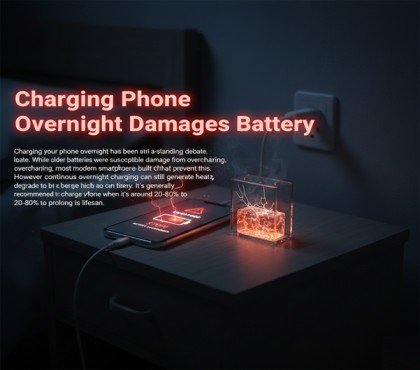
Many people worry that charging a phone overnight can ruin its battery. But, this is in most cases a myth. Modern smartphones stop charging on their own when they reach 100 percent. Overcharging is very rare. Leaving your phone plugged in overnight usually does not harm it. That said, heat is the real factor that can damage a battery over time. Using cheap or unbranded chargers can hurt your battery. Placing your phone under a pillow while charging is not safe.
Charging in a hot place can also reduce battery life. Batteries of course get weaker over time. Frequent full discharges make them wear out faster. Use original or certified chargers to keep your battery healthy. Avoid covering your phone and charge it in a cool, ventilated area. Try not to let your battery drop to zero too often. If used with care, overnight charging is generally safe. It will not harm your phone.
8. More RAM Always Makes Devices Faster
Many people think that adding more RAM will always make a device faster. Still, this is not always true. Device speed depends on several factors. These include the CPU, storage type, and system resources. Software optimization also plays an important role in performance.
RAM alone cannot fix all performance problems.
If your device already has enough RAM, adding more may not make a big difference. Slow speed often happens because of an old storage drive or outdated software. It can also Come from too many apps running in the background. Updating your system and closing extra apps can help improve performance. Temporary files and cluttered storage can also slow down your device.
To improve speed, it is important to upgrade with care. Focus on improving your hardware. Upgrade RAM and use faster storage. Keep your software optimized. Close apps you don’t use. Update your system often. Do regular maintenance. This will make your device faster and work better.
9. More Signal Bars Mean Faster Internet?
Many people think more signal bars mean faster internet. This is not true. Signal bars only show how strong your connection is to the nearest cell tower. They do not show actual internet speed. Internet speed can be slow because of network traffic or too many users on the tower. Even with full bars, videos may lag, downloads may be slow, and calls may drop. To check real speed, use a speed test app. These apps measure upload and download speed fast. Don’t rely only on signal bars to know your internet speed.
10. Turning Off GPS Stops Tracking
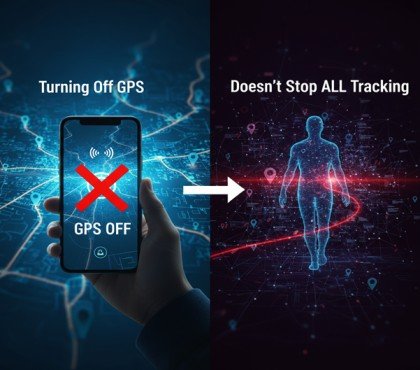
Many people think turning off GPS completely stops tracking. This is not complete true. Phones can still guess your location using Wi-Fi, mobile towers, and Bluetooth. Apps can also track your activity in the background. Some apps collect location data even if GPS is off. Social media, maps, shopping, and weather apps often store your location. Most users don’t know how often this happens.
To protect privacy, check app permissions on a routine basis. Turn off location access for apps that don’t need it. Use “Allow only while using the app” instead of “Always allow.” Review your phone’s privacy and security settings often. Keep your software updated. Avoid installing unknown apps. Turning off GPS helps, but full privacy needs careful permission and security management.
Conclusion
Technology mythsmay seem harmless, but they can cause real problems. False ideas about AI, Wi-Fi, privacy, smartphones, and batteries can confuse people. They can reduce device performance and put your data at risk. Many follow wrong or outdated information without
checking facts.
This can lead to slower devices, weak online security, and poor tech choices. Understanding the truth helps you use technology better. You can browse without risk, protect your personal data, and improve device performance. You also avoid unnecessary
risks and save money. Correct knowledge boosts productivity and keeps you ahead in the digital world.
In 2026, smart users follow facts, not myths. They stay informed, update their knowledge, and protect their privacy. They use devices clever for better results. Are you using technology based on facts, or still believing myths?
FAQs
Which tech companies are addressing false beliefs in AI advancements for 2026?
OpenAI, Google, and Microsoft are raising awareness about safe and realistic AI use. They help educate users to reduce misinformation about AI.
Common technology myths debunked for 2026 and their impact on consumers?
Tech myths can cause poor decisions, security risks, and misuse of technology. Knowing the truth helps consumers make smarter and safer choices.
Does leaving a phone plugged in overnight degrade its battery health?
Modern smartphones stop charging when the battery is full, preventing overcharging. In most cases, overnight charging is safe for battery health.
What is the biggest technology myth in 2026?
The biggest myth is that AI will completely replace humans. In reality, AI is changing jobs, not eliminating them.
Meta Description
Technology Myths Debunked can put your data at risk. Learn the real truth about AI, public WiFi, privacy, and smartphones in 2026. Stay safe.