
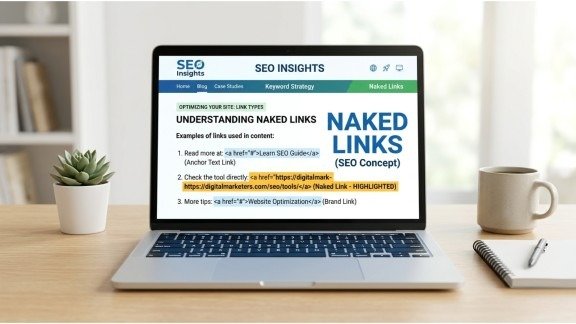
In today’s fast-moving digital world, every small detail of SEO can make a big difference for your website. One detail often overlooked is naked links. These are links that show the full URL in the text without extra words. Even though they seem simple, these links can affect both user experience and search engine rankings. They are often used in emails, social posts, and professional documents where transparency matters. Understanding how and when to use them can help you improve trust with your audience while still benefiting your SEO. In this article, we will explain what naked links are, why they matter for SEO, and how to use them the right way.
What Are Naked Links?
A naked link, also called a naked URL, is a link that displays the website address as it is. Unlike regular hyperlinks that use descriptive words like “learn SEO tips,” these links show the full URL, such as https://www.example.com. This makes it very clear where users will go when they click.
These links are easy to add, but they do not give extra meaning to users or search engines. Normal hyperlinks tell search engines what the page is about. These links just show the address, which sometimes can look long or confusing if it has numbers, symbols, or extra codes.
Example of a naked link:
• https://www.codecademy.com/
Example of a standard hyperlink:
• Codecademy Knowing the difference between these links and regular hyperlinks is key for good SEO and a smooth reading experience.
The Role of Naked Links in SEO
These links are not just simple addresses. They play a role in search engine algorithms and link-building strategies. In SEO, every link is like a vote. When a trusted website links to your page, search engines see it as a sign that your content is useful and credible.
However, these links give fewer SEO signals than descriptive anchor text. Without context in the link, search engines may not fully understand the topic of your page. Still, these links can add variety to your backlinks and strengthen your website’s link profile.
How Search Engines Treat Naked Links
Google and other search engines see these URLs as clickable links. But they may give less SEO weight compared to links with keyword-rich anchor text. Search engines look at the relevance, authority, and trustworthiness of links. So, these links help with direct traffic but should not be the only type of link you use.
Advantages of Using Naked Links
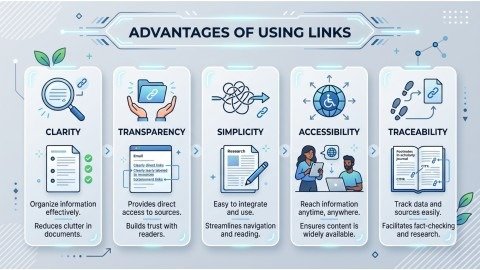
These links have several benefits, especially in certain situations. They make your content more transparent, easier to use, and accessible to everyone. These advantages make them ideal for emails, newsletters, reports, and documents where clarity is more important than visual appeal.
Clarity
Users see the exact URL and know exactly where it goes. This helps visitors understand the destination before clicking, improving trust and confidence in your links.
Transparency
Displaying the full address openly builds credibility with users. They can see that the link is safe and reliable, which increases overall trust in your content.
Simplicity
These links are easy to add and don’t require any special formatting or coding. This makes them quick to implement in emails, newsletters, and reports.
Accessibility
These links work well with screen readers and other accessibility tools, ensuring that all users, including those with disabilities, can access the content easily.
Traceability
These links help reference in documents, research papers, or professional reports. Their full URL makes it easier to track and cite sources accurately.
Disadvantages of Naked Links
These links also have some downsides. They can affect SEO and user experience if used too much. Long and plain URLs may not look good in content. So, it is important to use them carefully and in the right places.
User Experience
Long URLs can break the flow of reading. They can look messy and make the content harder to follow. This can reduce user engagement.
Visual Appeal
These links do not look very clean or professional. They can make your content look less polished, especially in blogs or websites.
Missing Context
Users may not understand what the link is about. A full URL does not explain the content of the page clearly.
Higher Risk of Errors
Typing long URLs by hand can lead to mistakes. Even a small error can break the link and cause problems for users.
Space Issues
These links take more space, especially on mobile screens. This can make content look crowded and harder to read.
Best Practices for Using Naked Links
To use these links effectively, follow these tips:
- Combine with Anchor Text
Pair URLs with descriptive text. For example:
o Instead of https://www.example.com/blog/seo-tips, write:
o “Check out our SEO tips for better rankings.”
This improves readability and gives search engines more context.
- Keep URLs Short and Clean
Avoid very long or complicated links. Short, clear URLs are easier to read and use. - Use in Appropriate Contexts
These links work well when:
o Showing credibility or transparency.
o Space is limited (emails or social posts).
o Linking to official references or documents.
Avoid too many of these links in blog posts or pages where anchor text gives more SEO value.
How to Acquire Backlinks Through Naked Links
Even if these links have less SEO weight, they still help in link-building:
• Create High-Quality Content: Useful content attracts links naturally.
• Outreach to Industry Websites: Ask relevant sites to link to your page.
• Guest Blogging: Write for trusted sites and include links to your website.
• Avoid Black Hat Tactics: Never buy links or use link farms, as this can penalize your site.
Strategic use of these links can diversify your backlink portfolio and look natural to search engines.
Tools to Identify Naked Links
SEO tools can help find such links on your site:
• Screaming Frog: Crawls your site to detect links without anchor text.
• Ahrefs: Analyzes backlinks and link structure.
• SEMRush: Checks internal and external links for better SEO planning.
These tools ensure your content is well-optimized and avoid overuse of such links.
Enhancing User Experience with Naked Links
Even with these links, user experience matters:
• Break long URLs carefully across lines.
• Use buttons or call-to-action text for external links.
• Make sure all links work and have no typos.
Combining these links with descriptive hyperlinks gives a smooth experience for users and search engines.
Common Mistakes to Avoid with Naked Links
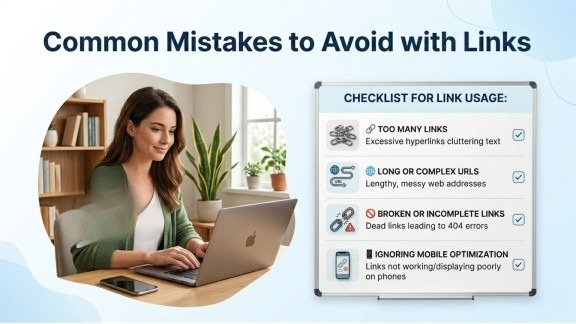
These links are useful, but mistakes can reduce their value. If used in the wrong way, they can harm SEO and user experience. So, it is important to use them carefully and follow simple rules.
Too Many Naked Links
Adding too many of these links in one article can confuse users. It also makes the content look messy and hard to read. Because of this, users may leave the page quickly.
Long and Complex URLs
Very long or complex URLs are hard to understand. They do not look clean and can reduce trust. Simple and short links are always better for users.
Broken or Incomplete Links
Broken links can frustrate users and stop them from taking action. Even a small mistake in the URL can break the link. So, always check your links before publishing.
Ignoring Mobile Optimization
Long links can look bad on small screens. They can break the layout and make reading difficult. That is why mobile-friendly links are very important.
Conclusion
Naked links are an important part of SEO. They provide transparency, simplicity, and traceability. Although they have limitations, using them strategically can increase website visibility, improve trust, and support link-building efforts.
A balanced approach that uses both descriptive anchor text and these links strengthens SEO and creates a smooth experience for users. Understanding their advantages, disadvantages, and proper use will help your website perform better and gain more credibility online.
They are best used in the right places, not everywhere. Simple and clear links always help users more. When used wisely, these links can support both SEO and user trust.
FAQs
Q1: What is anchor text?
Anchor text is the clickable part of a link that guides users to another page. It helps search engines understand the topic of the linked page.
Q2: How is a hyperlink different from anchor text?
A hyperlink includes both the URL and the anchor text. The anchor text is only the clickable words.
Q3: Do naked links hurt SEO?
Not really. But they give less context to search engines. Using anchor text alongside naked links is better for SEO.
Q4: Can naked links improve credibility?
Yes. Showing the full URL can increase trust if used correctly.
Q5: Are naked links good for mobile users?
They can be harder on small screens. Keep URLs short and functional for mobile-friendly content.
META DESCRIPTION
Naked Links in SEO explained! Learn their benefits, common mistakes, and best practices to improve rankings and user experience.