
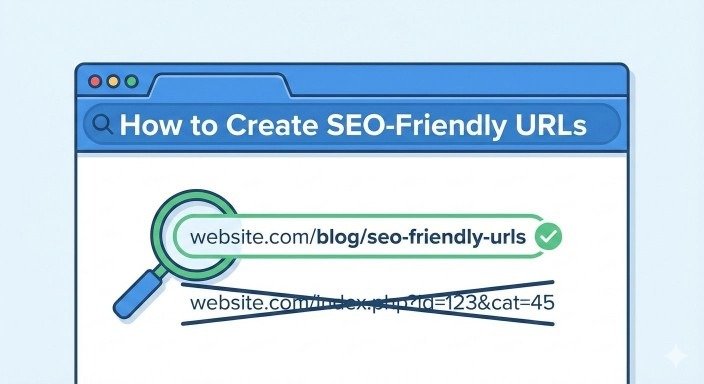
When you create a website, your main goal is to make it easy for people to find your content. But one important thing many people ignore is how to write SEO friendly URLs. A good URL helps both users and search engines understand what your page is about.
SEO friendly URLs are simple, clean, and include the right keywords. They help your website rank better on search engines and also make users more likely to click on your link. If your URL looks messy or confusing, people may ignore it.
In this guide, you will learn how to write SEO friendly URLs in a very easy way. These simple tips will help you improve your website ranking, increase clicks, and give a better user experience.
Table of Contents
- What is an SEO Friendly URL?
- Why SEO Friendly URLs Matter
- How to Write SEO Friendly URLs
- Best URL Structure for SEO
- Common Mistakes to Avoid
- Advanced Tips for SEO URLs
- Benefits of SEO Friendly URLs
- FAQs
- Conclusion
What is an SEO Friendly URL?
An SEO friendly URL is a link that is easy to read and clearly explains what the page is about. It uses simple words instead of random numbers or symbols.
For example: ❌ yoursite.com/page?id=123 ✅ yoursite.com/seo-friendly-urls
The second one is better because users and search engines can quickly understand the topic.
When you learn how to write SEO friendly URLs, you make your content more clear, more useful, and easier to find online.
Why SEO Friendly URLs Matter
SEO friendly URLs are important because they help your website perform better in search results. Search engines look at your URL to understand your page content. If your URL has the right keywords, it can improve your ranking.
Also, users trust clean and simple links more. When people see a clear URL, they are more likely to click on it. This increases your click-through rate and brings more traffic to your site.
So, understanding how to write SEO friendly URLs is a small step that gives big results in SEO.
How to Write SEO Friendly URLs
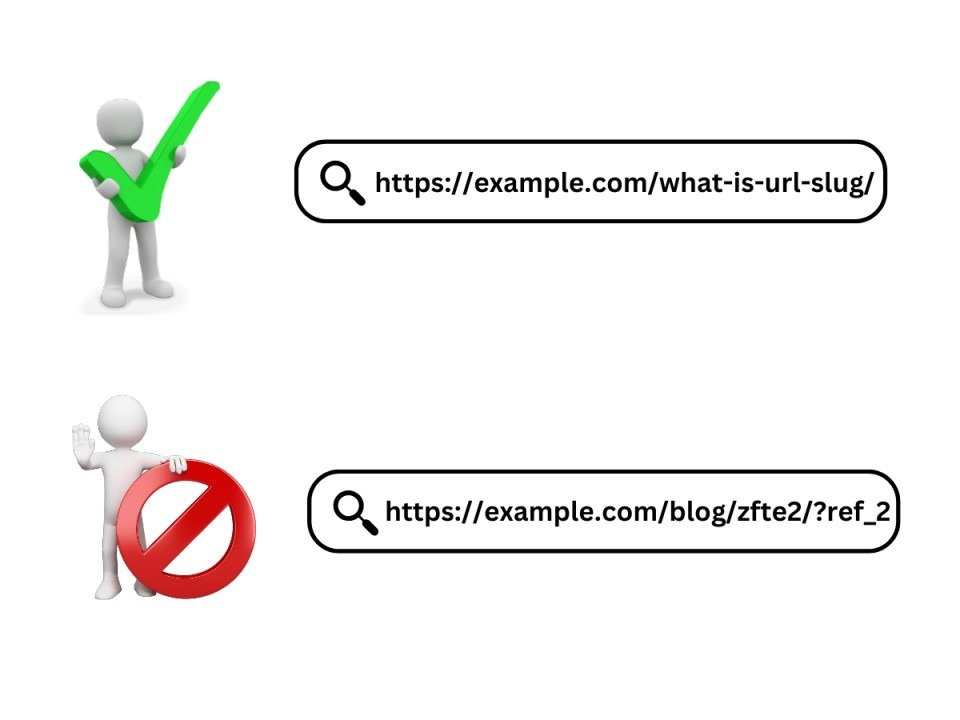
If you want to know how to write SEO friendly URLs, follow these simple steps.
First, always include your main keyword in the URL. This helps search engines understand your topic. Second, keep your URL short and remove extra words that are not important.
Use hyphens (-) to separate words because they are easier to read. Always write URLs in lowercase to avoid confusion. Also, avoid using dates, numbers, or special characters because they make your URL look messy.
By learning how to write SEO friendly URLs, you can easily create SEO optimized URLs that rank better and look professional.
Best URL Structure for SEO
A good URL structure makes your website easy to understand for both users and search engines. The best way is to keep your URL simple and keyword-focused.
For example:
- yoursite.com/seo-friendly-urls
- yoursite.com/blog/seo-tips
This type of structure clearly shows what the page is about. It also helps search engines crawl your website more easily.
When you apply how to write SEO friendly URLs in your structure, it improves your SEO and makes your website look more organized and user-friendly.
Common Mistakes to Avoid

When learning how to write SEO friendly URLs, you should also know what mistakes to avoid.
One common mistake is using too many keywords in one URL. This makes it look spammy. Another mistake is creating very long URLs that are hard to read.
Using numbers, symbols, or dynamic links is also not good for SEO. Some people also create multiple URLs for the same content, which confuses search engines. Avoiding these mistakes will help you master how to write SEO friendly URLs effectively.
Advanced Tips for SEO URLs
If you want better results, you can use some advanced tips for SEO friendly URLs.
Always use 301 redirects when you change a URL. This helps keep your traffic and ranking safe. You can also use canonical tags to avoid duplicate content problems.
Try to keep your URLs stable and do not change them again and again. Also, make sure your URLs are short and easy to read on mobile devices. These steps will improve your understanding of how to write SEO friendly URLs at an advanced level.
Benefits of SEO Friendly URLs
There are many benefits of using SEO friendly URLs on your website. They help search engines understand your content better, which improves your ranking.
They also increase user trust because clean links look more professional. People are more likely to click on simple URLs, which increases traffic. SEO friendly URLs are also easy to share on social media and help your content get indexed faster. When you apply how to write SEO friendly URLs, you improve both SEO and user experience.
FAQs
1. What are SEO friendly URLs?
SEO friendly URLs are simple, clean, and keyword-based links that help users and search engines understand your page.
2. Why are SEO friendly URLs important?
They improve ranking, increase clicks, and make your website easier to use.
3. How to write SEO friendly URLs easily?
To understand how to write SEO friendly URLs, use keywords, keep it short, avoid extra words, and use hyphens instead of underscores.
4. Can I change my URL later?
Yes, but always use a 301 redirect to avoid losing traffic.
5. Do SEO URLs really help ranking?
Yes, they are a small but important part of the overall SEO strategy.
Conclusion
Now you understand how to write SEO friendly URLs in an easy and simple way. A good URL is short, clear, and has the right keywords. This helps users and search engines understand your content quickly.
When your URLs are clean and easy to read, more people trust your website and click on your links. Avoid long and confusing URLs, and always follow simple SEO tips.
Start using how to write SEO friendly URLs today to improve your website and get better resultsnd achieve better results in search engines
Meta Description
Learn how to write SEO friendly URLs simply. Make clean and short URLs with keywords to help your website rank better, get more clicks, and bring more visitors to your site.