
In today’s digital age, creating a mobile app is no longer optional for businesses—it’s essential. With billions of smartphone users around the world, a well-designed mobile app can help you reach customers, improve business efficiency, and stay ahead of competitors.
This guide explains how to build your first mobile app in simple, step-by-step terms. You will learn everything from coming up with an idea, designing a user-friendly interface, coding, testing, launching, and maintaining your app. Whether you want to create an Android app, iOS app, cross-platform solution, or a Progressive Web App (PWA), this guide provides practical insights for first-time developers, startups, and entrepreneurs.
Along the way, you will also learn about development tools, costs, timelines, and best practices to create a reliable, market-ready mobile app.
Table of Contents
1. Understanding Mobile App Development
2. Choosing the Right Platform
3. Planning Your App Idea
4. Designing UI & UX
5. Mobile App Development: Coding & Tools
6. Testing Your Mobile App
7. Launching Your App
8. Post-Launch Updates & Maintenance
9. Costs and Timeline
10. Best Practices for App Development
11. FAQs
12. Conclusion
13. Meta Description
Understanding Mobile App Development
Mobile app development is the process of creating software that runs on smartphones, tablets, or other mobile devices. Apps can serve multiple purposes, including improving productivity, providing entertainment, or helping businesses connect with customers.
It helps businesses build a strong digital presence and reach a wider audience globally. Modern mobile apps improve user experience through fast performance, secure data handling, and intuitive design.
With the rise of Android and iOS platforms, mobile app development has become essential for online business growth.
Professional app development ensures better functionality, scalability, and long-term success in the competitive digital market.
Types of Mobile Apps
- Native Apps: Designed for a single platform (iOS or Android). They offer the best performance and work seamlessly with device features.
- Cross-Platform Apps: Built using one codebase that runs on multiple platforms. This approach saves time and development costs.
- Progressive Web Apps (PWA): Web-based apps that function like native apps and can run in a browser without installation.
Choosing the right type of app depends on your goals, target audience, and budget. Understanding your app’s purpose is the first step toward building a successful product.
Choosing the Right Platform
The platform you choose will affect your development approach, cost, and audience reach. Here’s a breakdown:
Selecting the right platform helps you target the correct user base and maximize app downloads. Android and iOS platforms offer different development tools, design standards, and monetization options. Selecting the best platform ensures improved performance, enhanced user engagement, and long-term scalability.
A well-chosen platform strategy can reduce development costs while increasing return on investment (ROI).
Android
- Largest global user base
- Flexible app distribution
- Requires testing on multiple devices and screen sizes
iOS
- Targets premium users
- Stricter App Store guidelines
- Higher development costs, but often a better return on investment
Cross-Platform
- Faster development
- Lower cost
- Slightly less performance for highly complex apps
Consider your audience, budget, and app complexity when deciding on the platform.
Planning Your App Idea
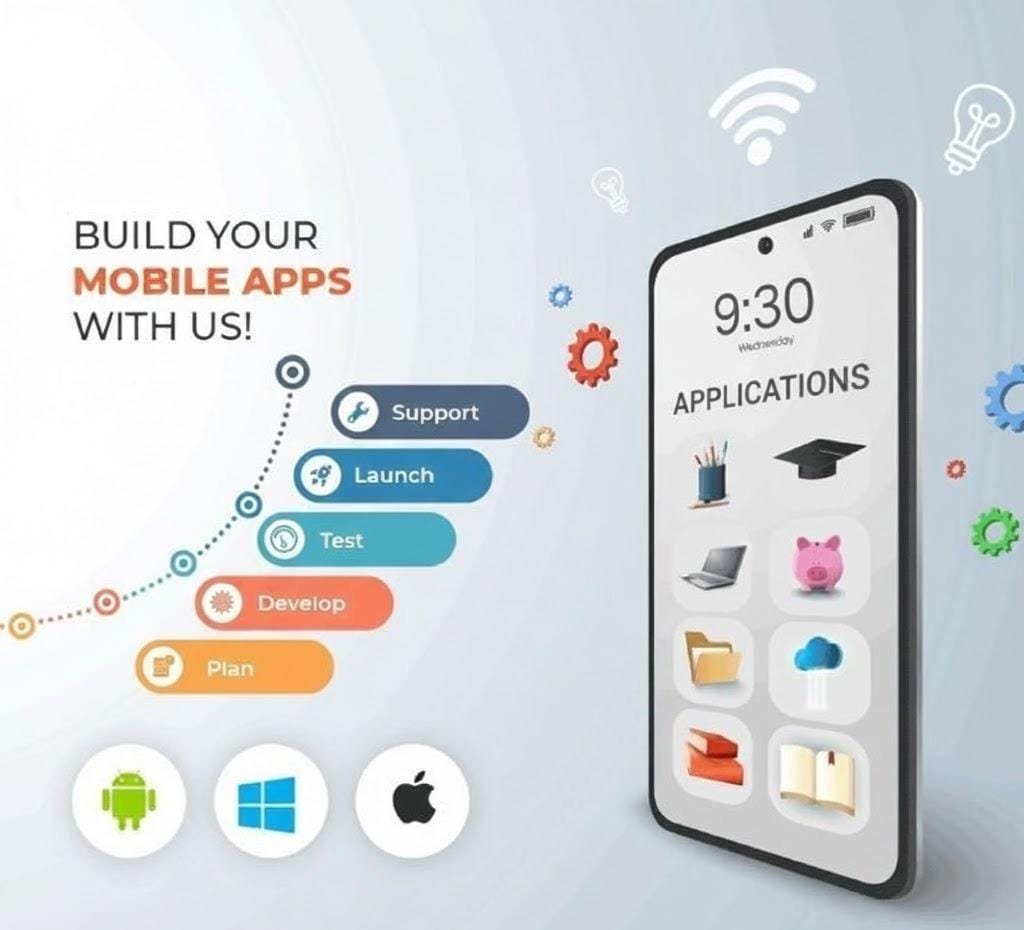
Research your target audience to understand their needs and preferences, and analyze competitors to identify gaps and unique opportunities in the market. Planning your app carefully can save time, reduce mistakes, and ensure better results. Start with these steps: define your app’s core features, functionality, and user experience goals clearly, and create a detailed roadmap and timeline to guide development and track progress efficiently.
- Define the Purpose: Clearly identify the problem your app will solve.
- Research Competitors: Check similar apps in the market and note what works and what doesn’t.
- Sketch App Flow: Draw simple diagrams showing how users will navigate through your app.
- Prioritize Features: Focus on core functionalities first to build a Minimum Viable Product (MVP).
Benefits of Planning
- Reduces development errors
- Keeps the project on budget
- Enhances the user experience
Planning helps you avoid unnecessary features and ensures your app meets user needs from the start.
Designing UI & UX to Build Your First Mobile App
UI (User Interface) and UX (User Experience) design are crucial for making your app appealing and easy to use.
- UI Design: Visual elements such as colors, buttons, icons, and layout.
- UX Design: How users interact with the app, navigation flow, and ease of use.
Popular Design Tools
- Figma
- Adobe XD
- Sketch
Tips for Better Design
- Keep your interface simple and intuitive
- Make the app accessible to all users
- Ensure consistency across screens
Benefits of Good Design
- Higher user engagement
- Better retention rates
- Positive reviews and ratings
A well-designed app encourages users to keep using it, boosting its success.
Mobile App Development: Coding & Tools
This stage converts your design into a fully functioning app. Developers use modern programming languages and frameworks to build fast, secure, and scalable mobile applications.
Popular tools like Flutter, React Native, Swift, and Kotlin enable the creation of high-performance Android and iOS apps.
Efficient coding practices ensure smooth functionality, faster loading speed, and better user experience.
Using the right development tools reduces errors, improves app quality, and speeds up the development process.
Development Options
- Native: Swift for iOS, Kotlin/Java for Android
- Cross-Platform: Flutter, React Native
- Backend Services: Firebase, AWS, or custom servers
Tips During Development
- Use version control (GitHub/GitLab) to track changes
- Follow coding best practices for cleaner, maintainable code
- Test each component as you build
Pros and Cons
Pros:
- High performance
- Full control over features
Cons:
- Requires coding knowledge
- Can take more time than no-code tools
By choosing the right tools and approach, you can streamline development and reduce errors.
Testing Your Mobile App
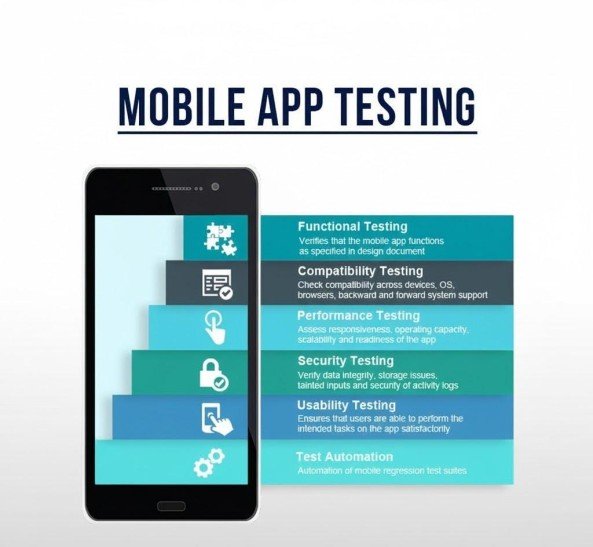
Testing ensures your app works correctly and provides a smooth experience for users. Proper testing helps identify bugs, performance issues, and security risks before the app is launched. It improves app stability, speed, and overall user satisfaction.
Thorough testing reduces crashes and ensures compatibility across different devices and screen sizes.
Regular testing also helps maintain high app quality and positive user reviews.
Types of Testing
- Functional Testing: Checks whether all features work as intended
- Usability Testing: Evaluates how easy the app is to use
- Performance Testing: Measures speed, responsiveness, and stability
- Security Testing: Protects user data from vulnerabilities
Benefits
- Reduces crashes and bugs
- Enhances user satisfaction
- Increases chances of approval on app stores
Testing is an ongoing process, not a one-time task, and should be done throughout development.
Launching Your App
Once testing is complete, your app is ready for release. A successful app launch involves submitting your app to platforms like the Google Play Store and the Apple App Store. Proper app store optimization (ASO) helps improve visibility, downloads, and search ranking.
Marketing strategies such as social media promotion, email campaigns, and influencer marketing boost initial installs.
A well-planned launch ensures maximum reach, positive reviews, and long-term app growth.
Steps to Launch:
- App Store Submission: Follow Google Play and Apple App Store guidelines
- Marketing: Promote your app via social media, websites, and emails
- Collect Feedback: Encourage users to rate and review your app
Tips for a Successful Launch
- Prepare a launch checklist
- Optimize app store listing with relevant keywords
- Monitor analytics to track downloads and user behavior
A well-planned launch increases visibility and improves user adoption.
Post-Launch Updates & Maintenance
After launch, your work isn’t over. Apps need continuous updates to remain effective. Regular updates help fix bugs, improve performance, and enhance app security. Ongoing maintenance ensures compatibility with the latest operating system updates and devices.
User feedback and analytics play a key role in improving features and user experience.
Consistent updates keep your app competitive, reliable, and relevant in the fast-changing digital market.
Maintenance Includes
- Fixing bugs and errors
- Updating security measures
- Improving performance
- Adding new features based on user feedback
Benefits
- Keeps users engaged
- Improves app rating
- Extends the app’s lifespan
Regular updates show users that the app is actively maintained, increasing trust and retention.
Costs and Timeline
Costs vary depending on app complexity, features, and platform. Simple apps usually require less time and budget, while complex apps need higher investment and longer development cycles. Project timeline depends on design, development, testing, and deployment phases.
Proper planning and clear requirements help control costs and ensure timely delivery.
Choosing the right development team can optimize budget, improve quality, and speed up the development process.
Estimated Costs:
- Simple Apps: $5,000 – $15,000
- Medium Apps: $15,000 – $50,000
- Complex Apps: $50,000+
Estimated Timeline:
- Planning & Research: 1–2 weeks
- Design: 2–4 weeks
- Development: 6–12 weeks
- Testing & Launch: 2–4 weeks
Tip: Start with an MVP to reduce time and costs initially.
Best Practices for App Development
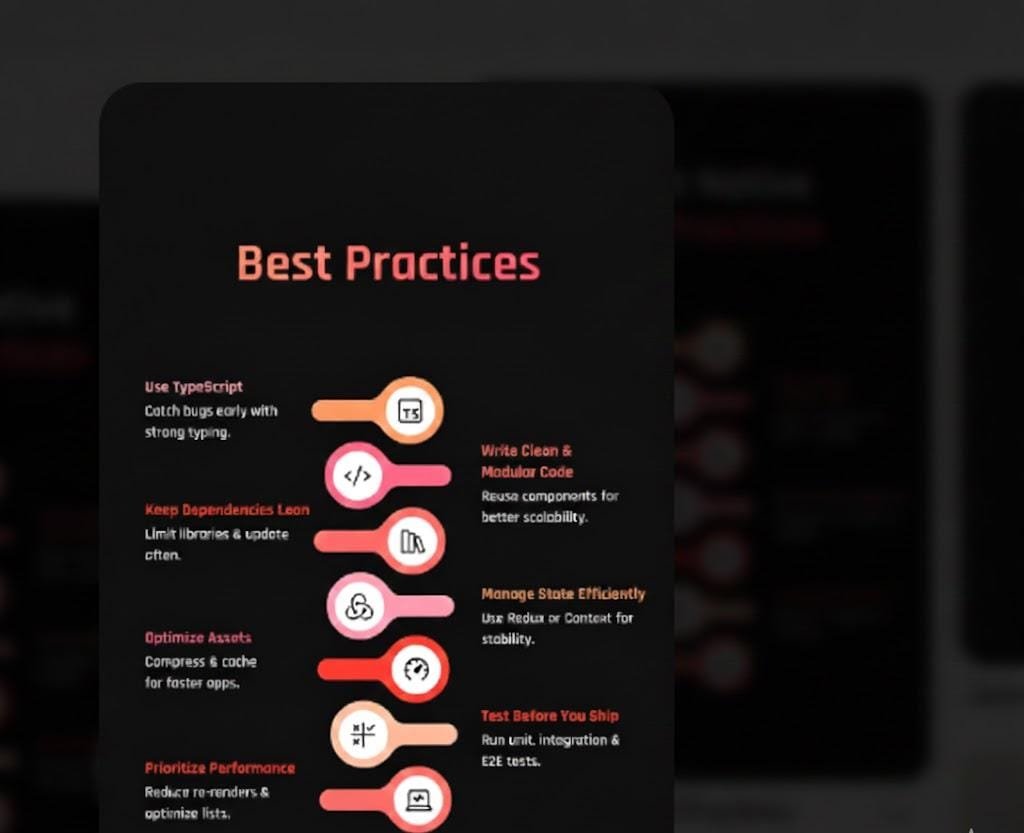
- Focus on core features first
- Prioritize user experience
- Test regularly during development
- Plan updates and maintenance in advance
- Use analytics to improve performance and engagement
Following these practices ensures a higher chance of building a successful app.
FAQs
Q1: Do I need coding skills to build an app?
Not always. No-code/low-code platforms like Adalo, Bubble, or Glide can help create simple apps. Advanced apps need programming knowledge.
Q2: How long does it take to build an app?
Simple apps usually take around 6–8 weeks, depending on features and design. Complex apps may require several months for development, testing, and deployment.
Q3: Which platform should I start with, iOS or Android?
Choose Android for a wider global audience and higher reach. Select iOS if your target users prefer premium quality and higher spending apps.
Q4: Can I update my app after launch?
Yes. Regular updates are essential for bug fixes, performance improvements, and adding new features.
Q5: How much does it cost to build an app?
Simple: $5,000; Medium: $15,000–$50,000; Complex: $50,000+
Conclusion
Building your first mobile app is an exciting journey that involves planning, design, development, testing, and maintenance. Choosing the right platform, focusing on user experience, and following best practices can turn your app idea into a market-ready product. A strong development strategy helps reduce risks, save costs, and ensure long-term success. Continuous learning and adopting new technologies can further enhance your app’s performance and scalability.
Start with a clear plan, prioritize essential features, and improve your app gradually using feedback. With patience and careful execution, your app can stand out in today’s competitive mobile landscape and provide real value to your users. Regular updates, performance optimization, and user-centric improvements will help maintain growth and customer satisfaction over time.
Meta Description:
Learn how to build your first mobile app from scratch. Step-by-step guide covering idea planning, UI/UX design, development, testing, launch, updates, costs, tools, and best practices for beginners and startups.