

The Aizal Case in Karachi has raised serious questions about child safety in Pakistan. Aizal was only 18 months old when she died after an alleged sexual assault in Qayyumabad, Karachi. The incident shocked many parents, teachers, and members of the public because it involved a very young child and a person known to the family.
According to police reports, the incident took place on August 4, 2026. A teenage relative allegedly took Aizal outside on the pretext of buying her something. She was later brought back in an unconscious condition and was taken to hospital, where she died. Police arrested the suspect and started an investigation.
This article explains the Aizal Case in Karachi in simple words. It covers what happened, the police investigation, the current court status, and most importantly, what parents, schools, and educational institutions can do to improve child safety.
The Question We Cannot Ignore
Sometimes a tragedy leaves behind more questions than answers. A small child loses her life, a family loses its world, and for a few days the whole country talks about it. But then life moves on. The real question is: do we move on too, or do we learn something from what happened?
How long will innocent children continue to suffer? How long will families have to ask for justice after an irreversible loss? A child’s life should never become just another headline on social media. Every incident like this should push us to ask what went wrong and what we can change.
Who Was Aizal?
Aizal was an 18-month-old girl from Karachi. At such a young age, a child depends completely on adults for safety, care, and protection.
The tragedy has also started a wider discussion about how children should be protected not only at home but also in schools, academies, daycare centres, tuition centres, and other educational places.
For parents, the case is a reminder that child safety should be part of everyday life. Children should be taught simple safety rules from an early age, while adults should create safe systems around them.
What Happened to Aizal?

According to police and media reports, the incident happened in Qayyumabad, Karachi, on August 4, 2026.
Police said the suspect, identified as Manan, took his relative’s young daughter outside on the pretext of buying her something. When he returned, the child was unconscious and her clothes were bloodstained. The family took her to hospital, where she later died.
Police began investigating the death as a suspected sexual assault and murder. A case was registered at Defence Police Station, and the suspect was taken into custody.
Because the matter is still going through the legal process, it is important to use words such as “alleged,” “suspect,” and “according to police” when discussing the accusations. A final court verdict is different from an allegation made during an investigation.
Aizal Case in Karachi: Timeline of Major Developments
August 4, 2026 — The Incident
Police said the suspect took Aizal outside and later returned with the child in critical condition. She was taken for medical treatment but died.
August 5, 2026 — Police Investigation Begins
Police arrested the teenage suspect and began investigating the circumstances surrounding the child’s death. Early reports described the suspect as a juvenile.
August 6, 2026 — Physical Remand
A Karachi judicial magistrate granted police a seven-day physical remand. The court also ordered a medical examination to help determine the suspect’s exact age.
August 17, 2026 — Remand Extended
The court extended the suspect’s physical remand by two days. Police told the court that the suspect’s age report placed him between 17 and 18 years old. DNA reports of the suspect and the deceased child were still awaited at that stage.
August 20–21, 2026 — Judicial Custody
After the physical remand ended, the court sent Manan to judicial custody. Reports said the DNA reports were still awaited and the court asked the investigation officer to proceed with the case and submit the required challan.
Therefore, the Aizal Case in Karachi is not a case where a final punishment has already been announced. The legal process is continuing.
Police Investigation in the Aizal Case
The police investigation involves several important areas.
1. Suspect’s Statement
Police questioned the suspect during physical remand. However, an alleged confession or statement during police investigation is not the same as a court conviction.
The court must consider the complete evidence before reaching a final decision.
2. Medical Evidence
Medical examination is important in cases involving suspected abuse. Doctors and forensic experts can help investigators understand the injuries and possible cause of death.
3. DNA Evidence
DNA testing can be an important part of a sexual assault investigation. Reports available in mid-August said DNA reports involving the suspect and Aizal were still awaited.
4. Age of the Suspect
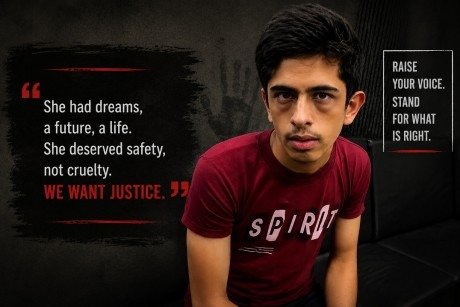
The suspect’s age became an important legal issue. Initial reports described him as a teenager, while the later age report placed him between 17 and 18 years.
This matters because the legal process can differ depending on whether a person is treated as a juvenile or an adult.
What Is the Current Status of the Accused?
The Aizal Case in Karachi has moved from initial police custody to judicial custody.
The suspect Manan was sent to jail on judicial remand after completion of his physical remand. Reports also stated that the DNA reports were awaited and further progress in the investigation was expected.
At the time of the latest reports reviewed for this article, there was no final court conviction or sentence reported.
That distinction is important. A responsible informational website should not call a suspect a “criminal” or “convicted person” before a court reaches a final decision.
Justice Should Not End With Public Anger
Whenever a heartbreaking case appears, social media fills with anger and demands for justice. That anger is understandable. But justice should ultimately come through a fair investigation, reliable evidence, and the legal system.
At the same time, authorities should examine whether existing systems are strong enough to prevent similar incidents. If there are weaknesses, those weaknesses need to be addressed rather than forgotten after public attention fades.
The goal should not only be to punish after something terrible happens. The greater goal should be to reduce the chances of another family experiencing the same pain.
Why the Aizal Case Matters for Child Safety
The Aizal Case in Karachi is not only a criminal case. It is also a child-safety issue.
Young children cannot understand every danger around them. They depend on parents, relatives, teachers, school staff, and other adults.
That is why child protection should not depend only on trust.
Instead, families and educational institutions should create clear safety rules.
For example, a school can have:
- Clear child protection policies
- Verified teaching and non-teaching staff
- Safe pickup and drop-off systems
- CCTV in appropriate common areas
- Visitor records
- Separate complaint channels
- Regular staff training
- Safe communication between parents and teachers
These steps do not mean that every adult is dangerous. They simply create better systems to reduce risk.
We Must Stop Treating These Cases as Just News
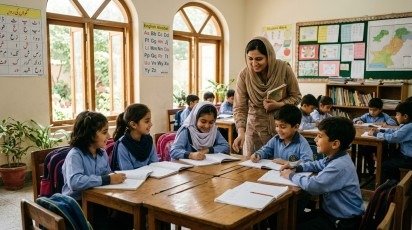
The Aizal Case in Karachi should not be remembered only because it became a trending story. It should also encourage a deeper conversation about parenting, education, digital exposure, social behaviour, and accountability.
People often react strongly when a tragic incident happens, but awareness should not end when the news disappears from our screens. Real change takes time. It requires families to talk, schools to educate, communities to speak up, and authorities to act according to the law.
How Can Children Be Protected in Schools and Educational Institutions?
The Aizal Case in Karachi also gives educational institutions an opportunity to look at their own safety systems.
Schools, academies, tuition centres, and other educational institutions should make child protection part of their daily management.
1. Verify Teachers and Staff
Every educational institution should properly verify teaching and non-teaching staff before employment.
Background checks, identity verification, references, and proper documentation can help institutions make safer hiring decisions.
2. Train Teachers and Staff
Teachers should know how to identify warning signs and how to respond if a child reports inappropriate behaviour.
Training should cover:
- Child protection
- Appropriate boundaries
- Safe communication
- Reporting procedures
- Emergency response
- Student privacy
3. Use Safe Pickup and Drop-Off Rules
Young children should not simply be handed over to anyone who comes to collect them.
Schools can maintain an authorized pickup list and verify unfamiliar adults before allowing a child to leave.
4. Avoid Unnecessary One-to-One Isolation
Where possible, schools should avoid situations in which an adult and a child are isolated without a valid reason.
Open classrooms, visible areas, and proper supervision can make educational environments safer.
5. Create a Confidential Complaint System
Students need to know where they can report a problem.
A school can provide a trusted teacher, counsellor, child protection officer, or another responsible adult for confidential complaints.
6. Teach Age-Appropriate Safety
Children should be taught simple safety rules according to their age.
They should learn that:
- Their body belongs to them.
- They can say “No” when something feels wrong.
- They should tell a trusted adult about unsafe behaviour.
- They should never feel guilty for reporting a problem.
The lesson should be calm and age-appropriate. The purpose is not to frighten children but to give them confidence.
What Can Parents Do?

Parents also have an important role in preventing child abuse.
The Aizal Case in Karachi shows why parents should have regular conversations with children about safety.
Parents can:
- Teach children the difference between safe and unsafe behaviour.
- Encourage children to speak openly.
- Listen without immediately blaming or shouting.
- Know the adults who regularly interact with their children.
- Check school and academy safety policies.
- Take unusual changes in a child’s behaviour seriously.
- Teach children how to contact a trusted adult in an emergency.
Parents should also remember that teaching safety does not mean teaching children to fear everyone. The goal is awareness, confidence, and healthy boundaries.
The Role of Mobile Phones in a Child’s Life
There is another issue that parents cannot ignore today: what children watch on their phones.
Many parents give smartphones to children simply to keep them quiet or occupied. Sometimes, no one checks what appears on the screen. Children may come across violent, sexual, disturbing, or inappropriate material through social media, short videos, games, or other online platforms.
This does not mean that a mobile phone directly causes abuse or criminal behaviour. However, uncontrolled exposure to harmful content can affect a child’s understanding of relationships, boundaries, violence, and acceptable behaviour. That is why digital parenting has become just as important as traditional parenting.
Parents should not only ask, “How much time is my child spending on the phone?” They should also ask, “What is my child learning from that screen?”
Education Can Change the Future
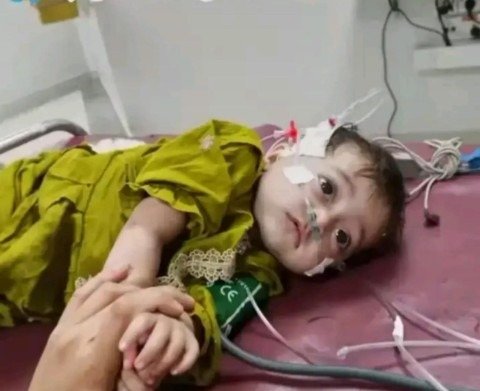
This is where educational institutions can make a real difference. A school is not only responsible for teaching English, mathematics, science, or computer skills. Education should also help young people understand respect, responsibility, empathy, self-control, and the consequences of harmful behaviour.
When children learn to respect other people’s boundaries from an early age, those lessons can remain with them as they grow.
Similarly, teenagers need honest and age-appropriate guidance about what they see online. Simply taking a phone away may not solve the problem. Teaching them how to think about what they see can be far more powerful.
What Should a School Do If a Child Reports Abuse?
When a child reports something serious, the response must be calm and responsible.
First, the child’s immediate safety should be ensured.
Next, the school should follow its child-protection and reporting procedures. Staff should not try to conduct their own informal investigation or pressure the child to repeat the story many times.
The matter should be reported to the appropriate authorities and professionals according to applicable law.
Most importantly, the child should not be blamed.
A child who speaks about abuse needs support, protection, and a safe environment.
Other Child Safety Cases Show Why Prevention Matters
The discussion around the Aizal Case in Karachi is part of a wider concern about child protection.
In June 2026, the Lahore High Court rejected the bail plea of a teacher accused in a case involving an underage student and directed authorities to strengthen child-protection measures in schools. The reported recommendations included staff verification, CCTV cameras, child-protection training, and confidential complaint mechanisms.
This shows why schools should not wait for a serious incident before reviewing their safety policies.
Prevention is better than reacting after harm has already occurred.
Why Should Child Safety Be Part of Education?
The Aizal Case in Karachi reminds us that academic success alone is not enough.
A good educational institution should provide children with:
- Quality education
- Respect
- Emotional support
- Physical safety
- A safe reporting system
- Responsible adult supervision
Schools should aim to create an environment where students feel safe enough to ask questions and report problems.
When children know that trusted adults will listen to them, they are more likely to speak when something feels wrong.
A Message for Parents and Educational Institutions
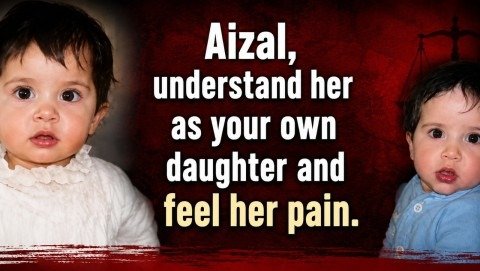
The Aizal Case in Karachi is a painful reminder that child safety requires cooperation between families, schools, communities, police, and government authorities.
Parents should ask schools about their safety policies. Schools should review their staff verification and reporting systems. Teachers should understand professional boundaries. Children should be taught age-appropriate safety skills.
Most importantly, safety should become a normal part of education rather than a topic discussed only after a tragedy.
No system can promise zero risk. However, strong policies, trained staff, proper supervision, and open communication can reduce risks and help adults respond quickly when concerns arise.
A Painful Question for All of Us
Perhaps the hardest question is not “Who is responsible?” but “What could we have done differently?”
Could better awareness have helped? Could stronger parenting have helped? Could better education have helped? Could responsible digital guidance have helped? Could stronger institutional systems have helped?
There may not be one simple answer. But asking these questions is important because meaningful change begins when society is willing to look beyond one incident.
Aizal was a child. She deserved a life full of love, education, laughter, and dreams. No child should become known to the world because of a tragedy.
And that is why we should not allow painful cases to become forgotten stories. We should turn them into lessons, conversations, and meaningful action.
Conclusion
The Aizal Case in Karachi has deeply affected people across Pakistan and raised important questions about how society protects its youngest members.
The legal case must now continue through proper investigation and court proceedings. At the same time, parents and educational institutions can take practical steps to make children’s environments safer.
For schools and academies, child protection should be treated as an essential part of education. A safe classroom is not only a place where children learn lessons from books; it is a place where they feel respected, protected, and confident enough to speak.
As an educational platform, we believe that awareness can be part of prevention. By teaching children age-appropriate safety skills, training staff, supporting parents, and building clear reporting systems, educational institutions can help create safer spaces for every child.
Frequently Asked Questions
What is the Aizal Case in Karachi?
The Aizal Case in Karachi concerns the death of an 18-month-old girl after an alleged sexual assault in Qayyumabad. Police arrested a teenage suspect and began an investigation.
How old was Aizal?
Aizal was reported to be 18 months old at the time of the incident.
Who was arrested in the case?
Police arrested a teenage suspect identified in reports as Manan. His reported age was later placed between 17 and 18 years.
What is the latest status of the case?
The Aizal Case in Karachi had reached the judicial-custody stage after the suspect’s physical remand ended. Reports said forensic and DNA evidence was still part of the investigation.
Have the DNA reports been released?
The latest reports reviewed for this article said the DNA reports of the suspect and Aizal were still awaited.
How can schools improve child safety?
Schools can improve safety through staff verification, CCTV in suitable common areas, controlled visitor access, safe pickup systems, child-protection training, confidential complaint channels, and clear reporting procedures. Recent court directions in Punjab have also highlighted several of these measures.
Meta Description:
Aizal Case in Karachi explained: Learn what happened, the police investigation, the latest court status, and practical child safety tips for parents and schools.
- The Question We Cannot Ignore
- Who Was Aizal?
- What Happened to Aizal?
- Aizal Case in Karachi: Timeline of Major Developments
- Police Investigation in the Aizal Case
- What Is the Current Status of the Accused?
- Why the Aizal Case Matters for Child Safety
- We Must Stop Treating These Cases as Just News
- How Can Children Be Protected in Schools and Educational Institutions?
- What Can Parents Do?
- The Role of Mobile Phones in a Child's Life
- What Should a School Do If a Child Reports Abuse?
- Other Child Safety Cases Show Why Prevention Matters
- Why Should Child Safety Be Part of Education?
- A Message for Parents and Educational Institutions
- A Painful Question for All of Us
- Conclusion
- Frequently Asked Questions
- Meta Description: