
Starting a blog is easy, but keeping it clean is very important. Many people write good blog posts, but they do not place them in the right sections. Because of this, readers cannot find things quickly. A good WordPress Categories Setup: How to Organize Blog Content Like a Pro plan helps make your website simple and easy to use. Categories work like folders. They keep similar posts together.
A smart WordPress Categories Setup: How to Organize Blog Content Like a Pro strategy also helps SEO. Search engines like websites that are clean and simple. Good categories help readers stay longer on your website. They can also open more posts easily. In this guide, you will learn easy ways to create categories, manage posts, and keep your blog neat.

Table of Contents
- What Are Categories
- Why Categories Help
- Make Categories
- Organize Posts
- Common Problems
- SEO Benefits
- Best Tips
- Categories and Tags
- Better User Experience
- FAQs
- Conclusion
- Meta Description
What Are Categories
Categories help group blog posts. A good WordPress Categories Setup: How to Organize Blog Content Like a Pro structure helps readers find posts fast. For example, a food blog can have categories like Breakfast, Lunch, Dinner, and Drinks.
Categories also make your website look clean. Without categories, your blog may look messy. WordPress lets you create main categories and small subcategories. This helps websites stay more organized.
Categories also improve navigation. Readers can click one category and see all related posts together. This makes browsing easy. Search engines also like websites with clear categories.
Why Categories Help
A smart WordPress Categories Setup: How to Organize Blog Content Like a Pro plan improves your website. Categories help readers move from one topic to another easily. This keeps people on your website longer.
Categories also help SEO. Search engines understand your website better when posts are arranged properly. This can help your pages rank higher.
Another good thing is easy management. Bloggers with many articles can quickly find and manage posts. Categories also make websites look more professional.
Good categories reduce confusion. Instead of putting all posts together, you can divide them into simple sections.
Make Categories
Making categories in WordPress is easy. A good WordPress Categories Setup: How to Organize Blog Content Like a Pro process starts with planning.
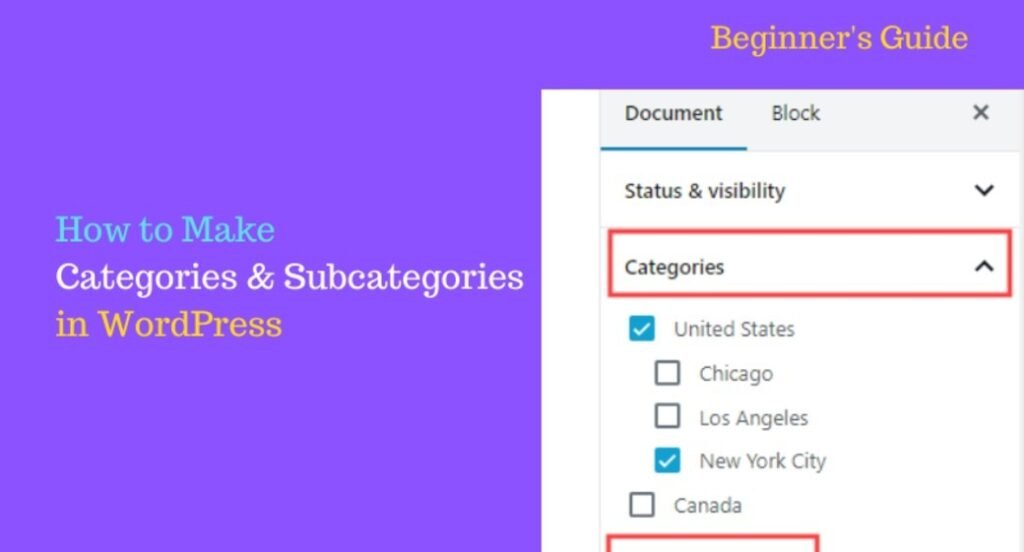
First, open your WordPress dashboard. Then go to Posts and click Categories. Add the category name and click Add New Category.
You can also make subcategories. For example, under Technology, you can add Mobile and Laptop categories.
Always use simple names. Hard or long names may confuse readers. Your category names should match your blog topic.
Before posting an article, place it in the right category. This helps readers find related posts easily.
Organize Posts
A proper WordPress Categories Setup: How to Organize Blog Content Like a Pro plan needs good organization. Start by making a list of your main blog topics.
Keep categories simple and useful. For example, a fitness blog can use categories like Exercise, Diet, and Health Tips.
Do not make too many categories. Too many sections can confuse readers. Use only important categories.
You should also check categories often. As your blog grows, you may need to change or merge categories.
Add categories to your menu. This helps visitors move around your website easily.
Common Problems
Many beginners make mistakes while creating categories. A weak WordPress Categories Setup: How to Organize Blog Content Like a Pro strategy can hurt your website.
One common mistake is making too many categories. Some people create one category for one post only. This makes the website messy.
Another problem is using hard names. Readers should understand category names quickly.
Some bloggers place one post in many unrelated categories. This can confuse readers and search engines.
Duplicate categories are also bad. Similar names can make your website look unorganized.
SEO Benefits
A strong WordPress Categories Setup: How to Organize Blog Content Like a Pro structure helps SEO. Categories help search engines understand your website topics.
When visitors quickly find related posts, they stay longer on your website. This improves engagement.
Categories also help internal linking. Readers can open one category and view many similar posts together.
Simple category URLs are another benefit. Easy URLs help readers and search engines understand the page. Well-organized websites are easier to crawl. This can improve your search rankings over time.
Best Tips
Following simple tips can improve your WordPress Categories Setup: How to Organize Blog Content Like a Pro strategy.
Use short and easy category names. Readers should understand them quickly.
Keep category numbers low. Most blogs work well with five to ten categories.
Add short descriptions to category pages. This helps SEO and readers.
Remove old or unused categories. You can also combine similar categories.
Create clean URLs with simple words. Easy URLs improve user experience and SEO.
Categories and Tags
Many people confuse categories and tags. A smart WordPress Categories Setup: How to Organize Blog Content Like a Pro strategy uses both in the right way.
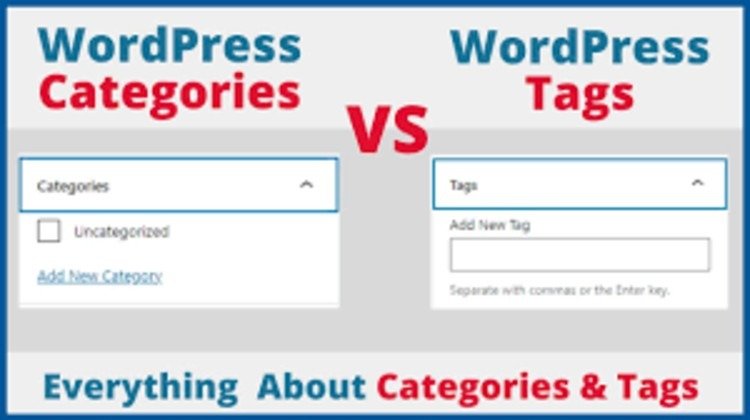
Categories are big topics. Tags are small details. For example, Fitness can be a category, while Weight Loss can be a tag.
Categories are more important because they organize the full website.
Every blog post should have one category. Tags are optional.
Too many tags can create confusion. Proper use of categories and tags keeps the website clean.
Better User Experience
User experience is very important for websites. A proper WordPress Categories Setup: How to Organize Blog Content Like a Pro system helps visitors find information fast.
Easy navigation keeps readers happy. People stay longer when they can move between categories easily.
Mobile users also need simple categories because many people use phones for browsing.
Highlight important categories in menus or sidebars. This helps readers open popular sections quickly.
Keep updating your categories. Remove old sections and keep your website fresh.
Conclusion
A good category system is very important for blogs. A proper WordPress Categories Setup: How to Organize Blog Content Like a Pro plan helps improve SEO and user experience.
Simple categories help readers find information quickly. Avoid too many categories and keep your website organized.
By following these easy tips, you can create a clean and user-friendly WordPress blog.
FAQs
1. What are WordPress categories?
Categories group blog posts into simple sections.
2. Why are categories important?
Categories improve SEO and help readers find posts easily.
3. How many categories should a blog have?
Most blogs work well with five to ten categories.
4. Can one post have many categories?
Yes, but using only related categories is better.
5. What is the difference between categories and tags? Categories are big topics, while tags are small details.
Meta Description
Learn WordPress Categories Setup: How to Organize Blog Content Like a Pro with easy tips, simple SEO ideas, and smart blog organization methods.