
Getting high rankings on Google is not only about publishing content anymore. Today, websites also need trust, authority, and strong backlinks to compete in search results. However, many backlink methods are either too expensive or completely outdated. That is why smart SEO experts still use Web 2.0 Backlink strategies to improve rankings naturally.
A well-built Web 2.0 Backlink can help websites gain authority, improve indexing speed, and create a safer backlink profile. Moreover, these platforms allow users to publish useful content on trusted domains that Google already crawls every day. When used correctly, they become powerful SEO assets instead of spam links.
In this guide, you will learn which Web 2.0 platforms still work in 2026, how to use them properly, and what mistakes you should avoid. Most importantly, this article explains everything in a simple and practical way so you can apply the strategy on your own website easily.
What Is a Web 2.0 Backlink?
A Web 2.0 Backlink is a backlink created on platforms that allow users to publish their own content. These websites usually provide free blogs, profiles, or mini websites where users can add articles and links.
Popular examples include Medium, Blogger, Tumblr, Weebly, and WordPress.com. Since these websites already have high authority, backlinks from them often get indexed much faster than links from unknown domains.
Many beginners treat Web 2.0 sites like simple link farms. However, modern SEO works differently. Today, successful marketers use these platforms as real content properties that support topical authority and link diversity.
Why Web 2.0 Backlinks Still Work in 2026
Some people believe Web 2.0 backlinks stopped working years ago. In reality, they still provide value when they are used correctly. Google continues to trust large user-generated content platforms because these sites receive constant traffic and fresh content every day.
Another reason they still work is because they help create a natural backlink profile. Search engines prefer diversity. Therefore, backlinks coming from blogs, articles, profiles, and authority platforms make your website appear more trustworthy.
A good Web 2.0 Backlink strategy also helps with indexing. Many Web 2.0 platforms are crawled quickly, which means your links get discovered faster. In addition, these platforms are free to use, making them a cost-effective solution for SEO campaigns.
Most importantly, you control the content yourself. Unlike guest posting, you decide where the links go, how the anchor text looks, and what type of content supports your website.
12 Powerful Web 2.0 Backlinks That Improve Rankings
Below are some of the best platforms that still provide SEO value and strong indexing potential.
1. Medium
Medium remains one of the strongest Web 2.0 platforms available today. Google indexes Medium content quickly because the website already has massive authority and trust.
This platform works especially well for educational content, niche guides, and long-form informational articles. Additionally, Medium articles can rank independently in search results, bringing extra traffic opportunities.
To get better results, publish high-quality content instead of thin articles. Add headings, images, and natural internal links to improve engagement.
2. Blogger
Blogger is still one of the most trusted blogging platforms because it is owned by Google. Many SEO professionals use it for supporting content and authority building.
A properly optimized Blogger site can help strengthen your backlink profile while also improving indexing speed. Instead of publishing only one article, create multiple related posts and interlink them naturally.
This makes the site look more genuine and improves topical relevance at the same time.
3. WordPress.com
WordPress.com provides excellent customization and clean site structure. Because of this, it remains a strong option for creating SEO-friendly content hubs.
The platform supports rich formatting, categories, and media integration, which helps articles look more natural. A well-written post on WordPress.com can stay indexed for years if it continues receiving engagement.
However, avoid stuffing exact-match keywords everywhere. Natural optimization always works better.
4. Tumblr

Tumblr may not be as popular as before, but it still has strong SEO value. Google continues crawling Tumblr pages regularly, especially active blogs with consistent updates.
This platform works well for shorter content, images, quotes, and supporting niche articles. Additionally, hashtags help improve discoverability and topical signals.
When using Tumblr, focus on building a real-looking blog instead of posting random spam links.
5. Weebly
Weebly allows users to create mini websites with multiple pages. That is why many marketers use it for local SEO and authority support.
You can create homepage-style layouts, service pages, and supporting articles that link back to your main website naturally. This gives your backlink strategy more depth and structure.
Adding FAQs, images, and proper navigation also helps the website appear more authentic.
6. Substack
Substack has become more than just a newsletter platform. Today, it is widely used for content marketing and authority building.
One of its biggest strengths is topical relevance. Since Substack supports content series and category-based publishing, it helps websites build strong niche authority.
Instead of writing promotional articles only, focus on informative and educational content that genuinely helps readers.
7. Strikingly
Strikingly works very well for branded pages and simple authority websites. It allows users to build attractive landing pages quickly without technical knowledge.
This platform is useful for creating branded support pages that connect your website with social profiles and additional content assets.
A clean layout with natural linking usually performs better than over-optimized pages.
8. Jimdo
Jimdo remains underrated in SEO even though it still provides good indexing opportunities. Since fewer people spam this platform, quality content often performs better.
Instead of creating single-page sites, build multiple pages around related topics. This improves internal linking and strengthens topical authority signals.
Adding contact pages and useful information also increases trust.
9. About.me
About.me is excellent for branding and entity building. Google often trusts profile-style pages because they help verify online identities and businesses.
A strong About.me page can support your overall SEO strategy by connecting your website, social media profiles, and content platforms together.
This creates a stronger digital footprint and helps improve brand trust online.
10. Write.as
Write.as is known for its clean design and fast indexing speed. Since the platform focuses on simple publishing, content usually gets crawled quickly.
SEO professionals often use Write.as for supporting content, indexing support, and topical clusters.
To get better results, write naturally and include contextual links instead of aggressive promotional anchors.
11. Webnode
Webnode allows users to create professional-looking websites easily. The platform supports multiple pages, which makes it useful for content silos and supporting niche websites.
A properly structured Webnode site can strengthen your overall Web 2.0 Backlink strategy by adding content diversity and contextual relevance.
Focus on useful information instead of direct promotion.
12. Steemit
Steemit combines blogging with blockchain technology and still carries strong authority in some niches. It works especially well for technology, finance, and crypto-related content.
Since Steemit posts sometimes rank independently in Google, they can provide both backlinks and organic traffic opportunities.
Publishing unique, informative content usually produces better long-term results.
How to Build a Strong Web 2.0 Backlink Strategy
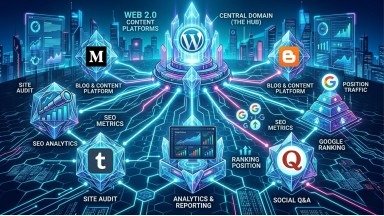
Creating random backlinks is no longer enough. Modern SEO requires structure, consistency, and relevance.
The first step is choosing platforms related to your niche. For example, Medium and Substack work very well for informational content, while Weebly and Blogger are better for structured websites and local SEO campaigns.
After selecting platforms, focus on publishing high-quality content. Thin AI-generated posts with no formatting rarely perform well today. Instead, create useful articles with headings, images, and clear readability.
Anchor text also matters greatly. Too many exact-match keywords can make your backlink profile look unnatural. Therefore, use branded anchors, partial matches, and generic phrases naturally throughout your content.
Another smart strategy is content clustering. Instead of publishing one article only, create multiple related posts and connect them together through internal links. This improves topical depth and helps search engines understand your niche more clearly.
Common Web 2.0 Backlink Mistakes
Many websites fail with Web 2.0 backlinks because they use outdated tactics. One of the biggest mistakes is publishing low-quality content filled with spammy keywords. Google can easily detect weak content patterns today.
Another common mistake is overusing exact-match anchors. While keywords are important, excessive optimization creates risk instead of improvement.
Some users also create one post and abandon the platform forever. However, real websites publish content consistently. Adding multiple articles over time makes your Web 2.0 properties appear far more natural.
Ignoring internal linking is another major problem. Internal links help build content relationships and improve crawlability. Without them, the entire structure becomes weak.
Finally, many people forget about branding. A genuine-looking profile with images, descriptions, and proper structure always performs better than empty pages created only for links.
Final Thoughts
A smart Web 2.0 Backlink strategy can still improve rankings, indexing, authority, and traffic in 2026. However, success depends on quality and consistency rather than spammy shortcuts.
Instead of creating useless backlinks, focus on building real content assets that provide value to users. Publish useful articles, maintain natural linking patterns, and build topical relevance over time.
When used correctly, Web 2.0 platforms become much more than simple backlinks. They become trusted SEO properties that strengthen your website’s authority and help improve long-term Google rankings naturally.
FAQs
What makes a Web 2.0 Backlink powerful for SEO?
A powerful Web 2.0 Backlink comes from trusted platforms with quality content, natural links, and proper relevance to your website niche.
How many Web 2.0 backlinks should a new website build?
A new website should build a few high-quality Web 2.0 backlinks gradually instead of creating many spammy links quickly.
Why do some Web 2.0 backlinks fail to improve rankings?
Web 2.0 backlinks often fail because of poor content, overused keywords, weak structure, or pages not getting indexed properly.
Which Web 2.0 platforms are best for faster indexing?
Medium, Blogger, WordPress.com, and Write.as usually provide faster indexing because search engines crawl them regularly.
How can Web 2.0 backlinks improve topical authority?
Web 2.0 backlinks improve topical authority by connecting related niche content and building stronger relevance signals for Google.
Meta Description
Discover the best Web 2.0 Backlink platforms that improve Google rankings, boost authority, increase indexing speed, and help grow organic website traffic safely in 2026.