
Getting backlinks today is not as easy as before. Many old SEO tricks are no longer effective. However, there is still one powerful method that works consistently. This method is known as the Broken Link Building Strategy, and it helps you earn backlinks in a natural and smart way.
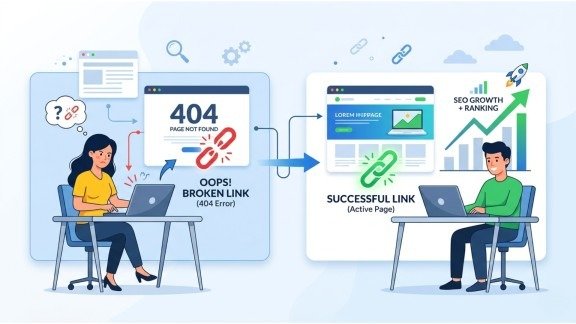
Now think about this. Many websites have links that no longer work. When users click them, they land on error pages. This creates a poor experience. But if you provide a better working link, you solve that problem while gaining a backlink. In this article, you will learn how to apply the Broken Link Building Strategy step by step. You will also understand how to find opportunities, create valuable content, and turn broken links into real SEO results.
What Is Broken Link Building?
This section explains the basic idea behind the strategy and why it is important in SEO today. Understanding this will help you apply the method correctly.
A broken link is a hyperlink that leads to a page that no longer exists. It usually shows a 404 error. The Broken Link Building Strategy is the process of finding these links and replacing them with your own relevant content.
How Broken Links Happen
Broken links can occur for many simple reasons. For example:
- A webpage was deleted
- The URL was changed
- The website no longer exists
- A typing mistake in the link
Because of these issues, broken links are very common. That is why this strategy gives many opportunities.
Why Broken Link Building Strategy Works
This section explains why this method is still effective and trusted in modern SEO. It focuses on value instead of manipulation.
The Broken Link Building Strategy works because it is helpful. You are not just asking for a backlink. Instead, you are solving a problem for the website owner.
Key Benefits of This Strategy
When used correctly, this strategy offers strong advantages:
- You earn high-quality and relevant backlinks
- You improve relationships with website owners
- You follow white-hat SEO practices
- You increase your website authority
Because of these benefits, many SEO experts still rely on this method.
How to Find Broken Link Opportunities
This section covers how to discover broken links in your niche. This is the starting point of your entire strategy.
To begin the Broken Link Building Strategy, you must search for websites that contain broken links. These are usually blogs, guides, or resource pages.
Where to Look for Broken Links
You can find opportunities in several places:
- Resource pages with many external links
- Blog posts in your niche
- Competitor websites
- Old articles with outdated links
These sources often contain broken links because they are not updated regularly.
Tools That Make the Process Easier
This section explains how tools can help you save time and find links faster. Using tools improves efficiency.
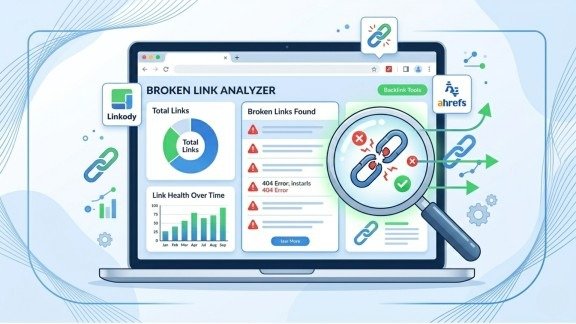
Instead of checking links manually, you can use SEO tools. These tools scan pages quickly and highlight broken links.
Useful Tools for Link Discovery
Some tools that help in the Broken Link Building Strategy include:
- SEO crawling tools
- Browser extensions for link checking
- Backlink analysis platforms
These tools make your work faster and more accurate.
Evaluating the Best Link Opportunities
This section focuses on selecting the right links. Not all links give equal value, so choosing wisely is important.
Once you find broken links, you need to analyze them. The goal is to focus only on high-quality opportunities.
What to Check Before Targeting a Link
Before outreach, always consider:
- Relevance to your niche
- Authority of the website
- Traffic of the page
- Number of backlinks to the broken page
This step ensures your Broken Link Building Strategy delivers strong SEO results.
Creating Content That Replaces Broken Links
This section explains how to create content that website owners will accept. Good content increases your success rate.
After finding a broken link, you need to offer a replacement. This means creating content that matches the original topic but provides more value.
How to Make Better Replacement Content
Your content should be:
- Updated with fresh information
- Easy to read and understand
- More detailed than the original
- Relevant to the linking page
Better content increases your chances of getting the backlink.
Outreach: Turning Links into Results
This section explains how to contact website owners and convert opportunities into backlinks. Outreach is a key step.
The Broken Link Building Strategy depends heavily on communication. You need to inform website owners about the broken link and suggest your content.
Tips for Effective Outreach
To improve your success rate:
- Keep your message short and clear
- Mention the exact broken link
- Offer your link as a helpful solution
- Use a polite and friendly tone
Good outreach makes a big difference in results.
Follow-Up Strategy for Better Response
This section explains why follow-ups are important and how to do them correctly.
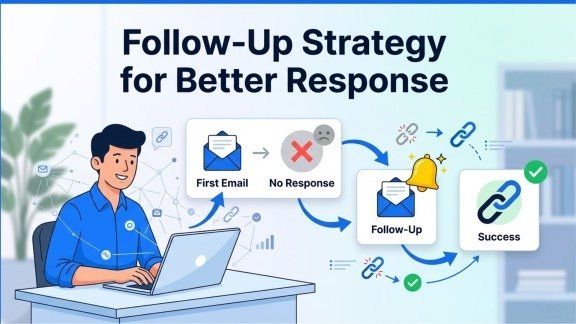
Sometimes, website owners do not reply to the first email. This is normal. Therefore, sending a follow-up can increase your chances.
Best Practices for Follow-Up
- Wait a few days before sending again
- Keep the message simple
- Be polite and respectful
This step can significantly improve your Broken Link Building Strategy success rate.
Fixing Broken Links on Your Own Website
This section highlights the importance of maintaining your own website. It supports your overall SEO strategy.
While working on external links, you should also check your own website. Broken links on your site can harm rankings and user experience.
What You Should Do
- Fix broken internal links
- Redirect deleted pages
- Restore important lost pages
This keeps your website healthy and SEO-friendly.
Common Mistakes to Avoid
This section explains errors that can reduce your success. Avoiding these mistakes will improve your results.
Many beginners fail because they rush the process. The Broken Link Building Strategy needs careful planning.
Mistakes You Should Not Make
- Sending generic outreach emails
- Using low-quality content
- Targeting irrelevant websites
- Ignoring follow-ups
Avoiding these mistakes helps you achieve better results.
Final Thoughts
The Broken Link Building Strategy is one of the most effective ways to build backlinks today. It is simple, helpful, and aligned with search engine guidelines.
Although it requires effort, the long-term benefits are strong. You gain quality links, improve authority, and build real connections.
So, if you want a smart and reliable SEO method, start using the Broken Link Building Strategy today and grow your website step by step.
Frequently Asked Questions (FAQs)
1. What is a Broken Link Building Strategy in SEO?
The Broken Link Building Strategy is a method where you find non-working links on websites and replace them with your own relevant content to gain backlinks.
2. How do I find broken links for link building?
You can find broken links by using SEO tools, browser extensions, or by checking resource pages and outdated blog posts in your niche.
3. Why is broken link building effective for SEO?
It works well because it provides value to website owners by fixing errors while helping you earn natural and high-quality backlinks.
4. What type of content works best for broken link building?
Relevant content, updated, easy to read, and more useful than the original page performs best for replacing broken links.
5. How long does it take to see results from broken link building?
Results usually take a few weeks because outreach, link replacement, and search engine updates require time to show impact.
Meta Description
Learn how to use the Broken Link Building Strategy to find dead links, create valuable content, and earn high-quality backlinks easily to improve your SEO rankings.
- What Is Broken Link Building?
- Why Broken Link Building Strategy Works
- How to Find Broken Link Opportunities
- Tools That Make the Process Easier
- Evaluating the Best Link Opportunities
- Creating Content That Replaces Broken Links
- Outreach: Turning Links into Results
- Follow-Up Strategy for Better Response
- Fixing Broken Links on Your Own Website
- Common Mistakes to Avoid
- Final Thoughts
- Frequently Asked Questions (FAQs)
- Meta Description