
Do you want more people to visit your website? If yes, then you need to focus on one small but very powerful thing first. That thing is your Meta Description and Title Tags. These may look small, but they have a strong impact on your website. They help your pages get more clicks from Google and improve your online visibility. When you use Meta Description and Title Tags correctly, your content becomes more attractive. It also helps users and search engines understand your page better.
Many beginners feel confused about SEO. They think it is very hard and technical. But don’t worry, it is actually simple when you understand the basics. Learning Meta Description and Title Tags is one of the easiest steps in SEO. It can quickly improve your website performance. It helps you get better results without complicated work.
So, in this guide, you will learn everything step by step. First, we will explain what Meta Description and Title Tags are. Then, we will show you how to write them in a better way. After that, you will learn simple tips to improve your results and increase clicks.
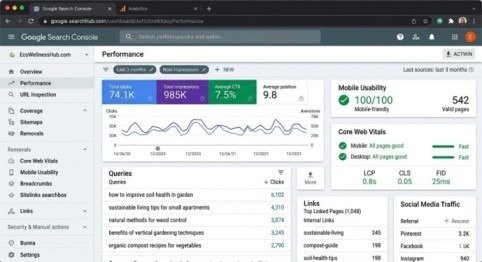
What Users See on Google
When you search anything on Google, you usually see two main parts in every result. These two parts are very important for getting attention.
First, you see a blue headline that shows the main title of the page. This is the clickable part that users notice first.
Second, you see a short text under the title. This small text explains what the page is about in a simple way.
These two elements are called Meta Description and Title Tags. They work together to show a quick preview of your content.
They also help users make a fast decision. For example, users think:
- Should I click this link or not?
- Is this page helpful for my question?
Meta Description and Title Tags create the first impression of your website. They are the first thing users see on Google.
Why These Matter for SEO?
Now you may think, “Are they really important?”
Yes, they are very important.
First, they increase clicks. Also, they help Google understand your page. And they improve user trust.
Because of this, good Meta Description and Title Tags can bring more traffic.
How Search Engines Read Them
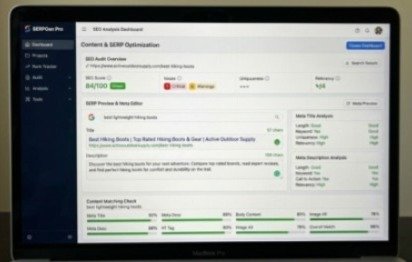
Search engines scan your page.
Then they check:
- Your title
- Your description
If your Meta Description and Title Tags match your content, your page becomes clear.
However, if they are confusing, your ranking may drop.
So, always keep them simple and correct.
Writing Strong Page Titles
Now let’s learn how to write better titles.
A good title is:
- Short
- Clear
- Easy to read
Follow these steps:
- Keep it under 60 characters
- Put keyword at the start
- Make it interesting
Good titles improve Meta Description and Title Tags quality.
Writing Better Descriptions
Next is the meta description, and it is a very important part of SEO. You can think of it like a small advertisement for your webpage. It tells users what your page is about in a short and simple way.
Use these tips:
- Keep it under 155 characters so it shows fully in Google results
- Use very simple and easy words that everyone can understand
- Add action words like “learn”, “get”, “discover”, or “find out”
- Always show a clear benefit so users know why they should click
Also, try to match your description with what users are searching for. This makes your content more useful and relevant.
When you follow these steps, your Meta Description and Title Tags become more attractive and powerful. As a result, they help bring more clicks and improve your website performance.
Common Errors to Avoid
Many people make simple mistakes.
Avoid these:
- Writing too long text
- Using same text again
- Adding too many keywords
- Writing unclear sentences
Instead, always keep Meta Description and Title Tags natural.
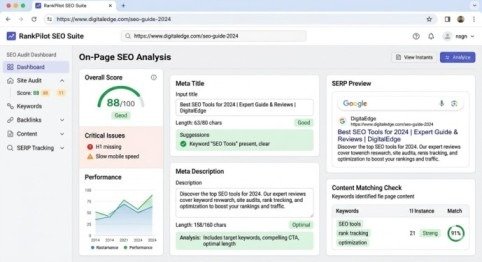
Match Search Intent
Users search for answers.
So, your page must give the right answer.
For example:
- If user wants tips → give tips
- If user wants guide → give steps
When your Meta Description and Title Tags match intent, users stay longer.
How to Get More Clicks?
More clicks mean more visitors, and more visitors mean better website growth. So, it is very important to focus on improving your click rate.
To increase clicks, make your content attractive and easy to understand. This helps more people notice and click your page. Small changes can bring big results.
Try these simple tips:
- Use numbers in your titles like “5 Tips” or “10 Ways”
- Ask simple questions to grab attention
- Use strong and powerful words like “Best”, “Easy”, or “Fast”
- Keep everything clear, short, and easy to read
Also, always think like a user. What would make you click on a result? Use that idea in your writing.
When you apply these tips correctly, your Meta Description and Title Tags become more attractive. As a result, they help increase CTR (Click-Through Rate) and bring more traffic to your website.
Easy Tools for Help
You don’t need to do everything alone.
Tools can help you.
For example:
- Yoast SEO
- Moz Pro
These tools help you improve Meta Description and Title Tags quickly.
Managing Many Pages
If your website has many pages, do not try to fix everything at once. Start in a smart and simple way. This makes the work easier and more effective.
First, focus on your most important pages.
Start with:
- Homepage
- Important service or product pages
- Top performing blog posts
These pages bring the most traffic, so improving them first gives better results.
After that, move step by step to other pages. Do not rush. Take your time and update slowly.
Also, keep checking performance after each change. This helps you understand what is working best. In this way, your Meta Description and Title Tags improve gradually. Your overall SEO becomes stronger over time.
Smart Optimization Tricks
Now let’s look at some smart and simple ideas that can improve your results. These small tricks can make a big difference over time.
Use:
- Words like “Easy”, “Best”, and “Guide” to make your titles more attractive
- Add the year like (2026) to show your content is fresh and updated
- Keep your wording simple, clear, and easy to read
Also, try different styles to see what works best. For example, you can test titles with numbers, questions, or power words. This helps you understand what your audience likes more.
When you keep testing and improving, your Meta Description and Title Tags get better. As a result, they attract more clicks and help your website perform better in search results.
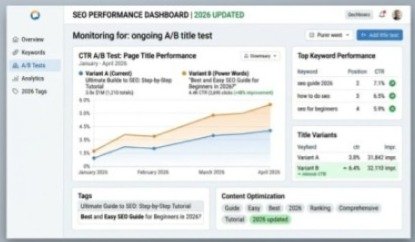
Why Google Changes Titles
Sometimes Google edits your title.
This happens when:
- Title is too long
- Not clear
- Not matching content
So, write better Meta Description and Title Tags to avoid this.
keep Testing and Improving
SEO is not a one-time task. It needs regular work and updates. You should check your results often to see what is working and what is not. Then, you can change your titles and improve your descriptions step by step. Small updates can make a big difference over time. When you keep testing, you understand how users react to your content. This helps you write better Meta Description and Title Tags that attract more clicks. After that, test again and keep improving your strategy. In this way, your Meta Description and Title Tags become stronger. They help your website grow steadily.
Conclusion
Now you clearly understand why this matters.
Meta Description and Title Tags may look small, but they are very powerful. They help your website grow step by step.
When you write them the right way, good things happen.
You get more clicks. Your ranking can improve. People start to trust your website.
Also, your content becomes easier to understand. Search engines can read your page better. Users can quickly decide to visit your site.
So, do not ignore this part of SEO. Take some time and update your pages. Start with your important pages first.
Then, improve the rest slowly. Keep testing and keep learning.
In the end, small changes bring big results. So, start today and see the difference.
FAQS
1. What is the ideal length of Meta Description and Title Tags?
Meta Description should be 150–160 characters and Title Tags should be 50–60 characters.
2. How to write SEO-friendly Meta Description and Title Tags?
Write clear, keyword-rich, and engaging Meta Description and Title Tags. Make sure they match user intent.
3. Can Google rewrite Meta Description and Title Tags?
Yes, Google may rewrite Meta Description and Title Tags if they are not relevant or too long.
4. How many keywords should I use in Meta Description and Title Tags?
Use one main keyword naturally in Meta Description and Title Tags. This helps avoid keyword stuffing.
5. Are Meta Description and Title Tags necessary for every page?
Yes, every page should have unique Meta Description and Title Tags for better SEO results.
Meta Description
Learn how to optimize Meta Description and Title Tags for better SEO results. Improve clicks, ranking, and traffic with simple tips. Start optimizing now and grow your website fast