

Every website wants better rankings on Google. However, many sites fail not because of content, but because Google cannot properly crawl their pages. This is where Crawl Budget Optimization becomes very important. If Googlebot wastes time on useless pages, your important pages may never get indexed.
Now think about this: your website may have hundreds or even thousands of pages. But Google does not visit all of them every day. Instead, it selects which pages to crawl based on importance, performance, and freshness. Therefore, if your crawl budget is not optimized, your SEO performance will suffer, and valuable pages may remain unseen.
In this guide, you will learn everything about Crawl Budget Optimization in a simple way. Moreover, you will discover practical steps, real strategies, and smart techniques to improve crawling, indexing, and rankings in 2026.
What Crawl Budget Really Means
Crawl budget is the number of pages Googlebot crawls on your website in a given time. In simple words, it is the “attention” your site gets from Google.
However, not all crawled pages are indexed. First, Google crawls a page. Then it checks the content quality, relevance, and technical setup. After that, it decides whether to index it or not. Therefore, Crawl Budget Optimization helps Google focus only on your best pages, ensuring important content is indexed faster.
For small websites, this may not be a big issue. But for large sites, it becomes critical because inefficient crawling can leave hundreds of pages unindexed.
Why Crawl Budget Matters for SEO
Not every website needs to worry about this. But in some cases, it becomes very important.
Crawl budget is particularly important when:
- Your site has many pages (10,000+)
- New pages are not getting indexed fast
- You use filters or parameters
- Your site updates frequently
On the other hand, small websites usually don’t face this issue. Still, basic Crawl BudgetOptimization helps ensure even smaller sites are efficient, avoiding wasted resources and faster indexing of new pages.
How Crawl Budget Works
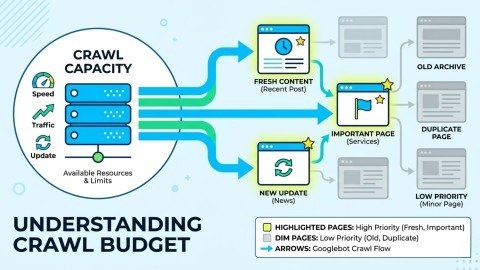
Crawl budget depends on two main factors:
1. Crawl Capacity
This depends on your server. If your website is slow, frequently down, or gives errors, Google will crawl fewer pages. A stable and fast server allows more pages to be crawled in each session.
2. Crawl Demand
This depends on popularity, freshness, and quality. Pages that are updated regularly or attract more traffic are crawled more often.
So basically:
Better server + better content = better crawling
Proper balance ensures your important pages get indexed efficiently.
Common Problems That Waste Crawl Budget
Many websites unknowingly waste their crawl budget. As a result, important pages remain unseen.
Major issues include:
- Duplicate content
- URL parameters (like ?sort=, ?filter=)
- Slow website speed
- Broken pages (404 errors)
- Redirect chains
- Low-quality pages
Because of these problems, Crawl Budget Optimization becomes necessary to prevent wasted crawling on unimportant pages.
Quick Steps to Improve Crawl Efficiency
If you want fast results, start with these steps:
- Block useless pages using robots.txt
- Fix duplicate content with canonical tags
- Improve website speed
- Remove unnecessary URLs
- Update sitemap properly
These simple actions can quickly improve your crawl efficiency, ensuring that Google focuses on your most valuable content.
Smart Robots.txt Strategy
Robots.txt tells search engines what to crawl and what to ignore. Therefore, it is a powerful tool for managing crawl budget.
You should block:
- Search pages
- Filter URLs
- Admin pages
- Tracking parameters
However, always allow important files like CSS and JavaScript. Without them, Google cannot render your site correctly, which may hurt crawling and indexing.
Optimize Your XML Sitemap
Your sitemap acts like a guide for Google. It shows which pages are important and should be crawled first.
Best practices:
- Include only useful pages
- Remove broken URLs
- Update last modified dates
- Keep it clean and simple
A well-optimized sitemap supports better crawl efficiency and faster indexing of your important pages.
Fix Duplicate Content Issues
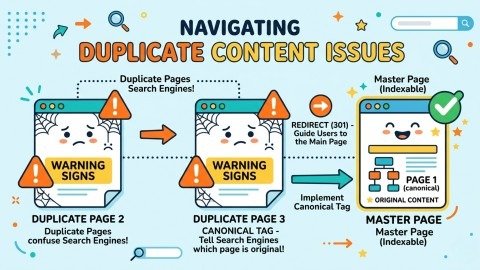
Duplicate content is one of the biggest problems in SEO. It confuses Google and wastes crawl budget, as multiple URLs with the same content compete for attention.
To fix it:
- Use canonical tags
- Redirect duplicate URLs
- Maintain one version of each page
By doing this, you improve both SEO performance and crawl budget utilization.
Handle URL Parameters Carefully
URL parameters can create thousands of duplicate pages. For example:
/shoes?color=red&size=10
Now imagine hundreds of combinations. This can quickly overwhelm your crawl budget.
Solution:
- Block unnecessary parameters
- Use canonical URLs
- Avoid infinite URL combinations
This step is essential for proper crawl management.
Improve Website Speed
Website speed directly affects crawling. A slow site reduces Googlebot activity, as the bot cannot process many pages in one session.
To improve speed:
- Use caching
- Enable compression
- Use a CDN
- Optimize images
Faster websites allow Google to crawl more pages efficiently, making speed a critical part of crawl budget optimization.
Reduce Redirect Chains
Redirect chains waste time and resources.
Example:
Page A → Page B → Page C
Instead, use:
Page A → Page C
Shorter redirects improve crawling efficiency and ensure Google reaches your important pages quickly.
Manage Faceted Navigation
E-commerce websites often use filters to help users. However, these filters create many URL combinations.
Problems:
- Too many combinations
- Duplicate content
- Crawl waste
Solutions:
- Use AJAX filters
- Block unnecessary URLs
- Allow only valuable pages
This is one of the most important aspects of crawl budget optimization for online stores.
Internal Linking Strategy
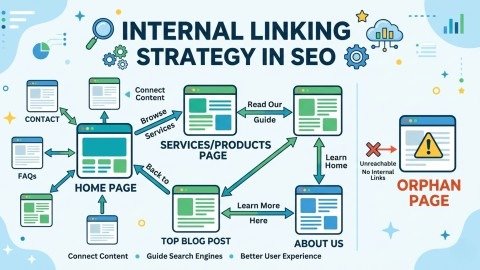
Internal links guide Googlebot to important pages. Without proper links, pages may stay hidden from search engines.
Tips:
- Link important pages more often
- Use clear anchor text
- Avoid orphan pages
Good internal linking improves crawling efficiency and boosts overall SEO performance.
Crawl Budget for JavaScript Websites
Modern websites often rely heavily on JavaScript. However, Google may struggle to process it fully, affecting crawling and indexing.
Problems:
- Delayed rendering
- Missing content
- Slow indexing
Solutions:
- Use server-side rendering (SSR)
- Keep JavaScript simple
- Ensure content loads quickly
This ensures better crawling and faster indexing of dynamic content.
Advanced Tips for Large Websites
For large websites, basic optimization is not enough. You need advanced strategies.
Advanced strategies:
- Log file analysis
- Dynamic sitemap updates
- Content prioritization
- Crawl pattern tracking
These techniques help you maximize crawl efficiency and focus Googlebot on the most important pages.
Common Myths You Should Ignore
Many people believe wrong things about crawl budget.
- Myth 1: More pages = better SEO
Reality: Quality matters more than quantity - Myth 2: Noindex saves crawl budget
Reality: Google still crawls the page - Myth 3: Crawl delay works
Reality: Google ignores it
Understanding these myths helps you focus on real crawl optimization strategies.
Conclusion
In 2026, SEO is not just about keywords and backlinks. Technical SEO plays a major role, and Crawl Budget Optimization is a key part of it.
If Google cannot crawl your site properly, your content will not rank. Therefore, you must guide search engines to your most valuable pages.
Start with small fixes. Then improve step by step. Over time, you will see faster indexing, better rankings, and more traffic.
FAQs
1. What is Crawl Budget in SEO?
Crawl Budget determines how many pages Googlebot crawls efficiently, and proper Crawl Budget optimization ensures important pages get indexed faster.
2. How does website speed impact Crawl Budget?
A slow website reduces Crawl Budget efficiency, while faster websites allow Google to crawl more pages effectively, improving overall SEO performance.
3. Can duplicate content affect Crawl Budget?
Duplicate content wastes Crawl Budget by making Google crawl multiple versions of the same page, so fixing duplicates helps maintain optimal Crawl Budget.
4. How do sitemaps help Crawl Budget optimization?
XML sitemaps guide Google to prioritize important pages, making Crawl Budget usage more efficient and boosting faster indexing.
5. Why is Crawl Budget important for large websites?
Large websites benefit from Crawl Budget optimization to ensure Google crawls and indexes all valuable pages without wasting resources.
Meta Description
Optimize your Crawl Budget in 2026 to improve your site’s Crawl Budget efficiency, prioritize important pages, and enhance crawling for faster indexing with effective Crawl Budget optimization.
- What Crawl Budget Really Means
- Why Crawl Budget Matters for SEO
- How Crawl Budget Works
- Common Problems That Waste Crawl Budget
- Quick Steps to Improve Crawl Efficiency
- Smart Robots.txt Strategy
- Optimize Your XML Sitemap
- Fix Duplicate Content Issues
- Handle URL Parameters Carefully
- Improve Website Speed
- Reduce Redirect Chains
- Manage Faceted Navigation
- Internal Linking Strategy
- Crawl Budget for JavaScript Websites
- Advanced Tips for Large Websites
- Common Myths You Should Ignore
- Conclusion
- FAQs
- Meta Description