
When people use Google, they always have a reason. They are not just typing random words. Every search has a purpose, and this purpose is called search intent. In simple words, it means what the user wants to find, learn, or do.
In 2026, search intent in SEO has become very important. If your content does not match what users want, it will not rank on Google. Even if you use good keywords, your content can still fail if it does not match the user’s needs.
For example, if someone searches “how to make tea,” they want to learn something. But if someone searches “buy tea online,” they want to make a purchase. These are two different intents, and your content must match them.
Google is now very smart. It understands what users want and shows results based on their needs. That is why understanding search intent in SEO helps you create better content. In this guide, you will learn everything about search intent and how to use it to improve your SEO. This will help you get more traffic and better results.
What is Search Intent?
Search intent is the reason behind a search. It tells us what a user wants when they type something into Google. Every user has a goal, and understanding this goal is very important in SEO.
That is why search intent in SEO helps content creators understand user behavior. Some people want to learn something, some want to visit a website, and others want to buy a product.
For example, when a person searches “what is digital marketing,” they are looking for information. But when someone searches “digital marketing course fee,” they are thinking about taking action.
When your content matches the intent, users stay longer and trust your website. This improves ranking and performance.
Types of Search Intent
Informational Intent
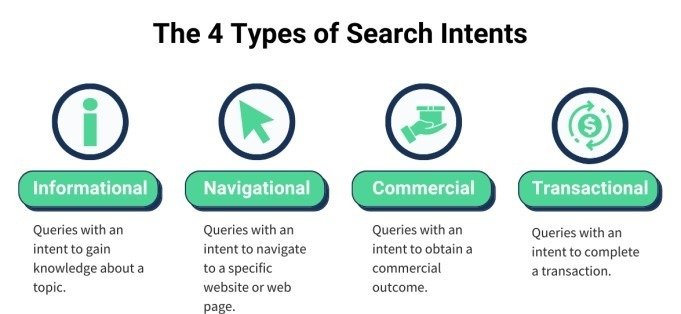
Informational intent is when a user wants to learn something. They are looking for knowledge, answers, or explanations. These users are not ready to buy anything yet.
This is where search intent in SEO plays a big role because it helps you create helpful content for users who are learning. Searches like “what is SEO” or “how to lose weight” are good examples.
Your content should be simple, clear, and easy to understand so users can find answers quickly.
Navigational Intent
Navigational intent is when a user wants to go to a specific website. They already know what they are looking for and just want to reach it quickly.
Understanding search intent in SEO helps you make sure your website is easy to find when users search for your brand name. For example, searches like “Facebook login” or “YouTube” show navigational intent. These users are not exploring, they just want direct access.
Transactional Intent
Transactional intent is when a user wants to take action, like buying something or signing up. These users are ready to make a decision.
This type of intent is very important in search intent in SEO because it helps businesses get customers. Searches like “buy shoes online” or “cheap laptop” show this intent.
Your content should include product details, pricing, and easy options so users can complete their action quickly.
Commercial Intent
Commercial intent is when users are thinking about buying but want more information first. They compare products and read reviews.
In search intent in SEO, this stage is very important because users are close to making a decision. Searches like “best mobile phones 2026” or “laptop vs tablet” are examples.
You should create comparison and review content to help users choose the best option.
Why Search Intent is Important
Search intent is important because Google wants to show the best results. If your content matches what users want, it will rank higher.
Using search intent in SEO improves user experience. When users find what they need, they stay longer and trust your content.
It also increases clicks, conversions, and reduces bounce rate. If your content does not match intent, users will leave quickly.
That is why focusing on user needs is the key to success in SEO.
How to Identify Search Intent
To identify search intent, you must understand the user’s goal. Start by searching your keyword on Google and checking the top results.
Understanding search intent in SEO becomes easier when you analyze keywords and user behavior. Words like “buy” show action, while “how” shows learning intent.
You should also think like a user. Ask yourself what problem they want to solve.
SEO tools can also help you find intent faster and more accurately.
Understanding Keywords and Intent
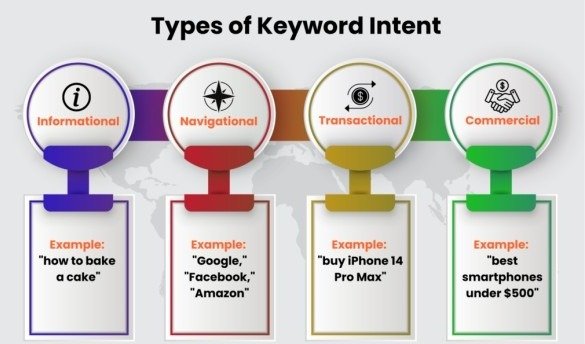
Keywords help you understand what users want. Some words clearly show intent, and these are called modifiers.
In search intent in SEO, modifiers like “how,” “buy,” “best,” and “review” give clear signals. These words help you create the right content for your audience.
By using the right keywords, you can attract the right users and improve your ranking.
How to Optimize Content for Search Intent
To optimize content, you must match it with user intent. First, check what type of content ranks on Google and follow that format.
Using search intent in SEO, you can create content that meets user needs. Your titles, headings, and content should clearly match what users are looking for.
You should also make your content easy to read. Add images and videos to make it more engaging.
Always focus on giving clear and helpful answers so users stay longer on your page.
Mixed Search Intent
Sometimes, a keyword has more than one intent. This is called mixed intent. It means users may want different things from the same search.
In search intent in SEO, handling mixed intent is very important. You should create content that covers multiple needs.
For example, you can explain a topic and also give product recommendations. This helps you reach more users.
Measuring Success
After creating content, you need to check if it is working. You can track traffic, user behavior, and conversions.
If your content follows search intent in SEO, users will stay longer and take action. This shows your content is successful.
Regular updates and improvements will help you maintain good performance.
Conclusion
Search intent is the key to SEO success in 2026. It helps you understand what users want and how to give them the right content.
By using search intent in SEO, you can improve rankings, increase traffic, and get better results. Always focus on user needs and create simple, helpful content.
Search intent is the key to SEO success in 2026. It helps you understand what users want and how to give them the right content.
By using search intent in SEO, you can improve rankings, increase traffic, and get better results. Always focus on user needs and create simple, helpful content.
FAQs
What is search intent?
Search intent is the purpose behind a user’s search query. It shows what the user wants to find or achieve online.
Why is search intent important?
It helps you create content that matches what users are looking for. This improves rankings, traffic, and engagement.
How many types of search intent are there?
There are four main types: informational, navigational, transactional, and commercial. Each type reflects a different user goal.
HHow do I optimize for search intent?
Understand what users want and create content that directly answers their query. Use relevant keywords and clear structure.
Can one keyword have multiple intents?
Yes, some keywords can have mixed intent depending on the user. You should analyze search results to understand the dominant intent.ow do I optimize for sea
Meta Description
Learn search intent in SEO and how to optimize content in 2026. Improve rankings, boost traffic, and create user-focused content easily.