

How to Start Freelancing in Tech is a question many beginners ask because working for yourself sounds exciting and flexible. You can choose your own schedule, work from anywhere, and build an independent career. However, freelancing is not as easy as it seems. Although anyone can have a laptop and internet connection, success requires discipline, practice, and continuous skill improvement. Therefore, it is important to understand the reality before starting.
Many people never begin because they believe they do not have experience. As a result, they think freelancing is only for experts. In fact, this is the biggest misunderstanding. Freelancing does not work like a regular job where you first gain experience and then get hired. Instead, you build experience by taking action, practicing your skills, and learning from real work.
Moreover, every small project helps you grow. You learn from mistakes, improve with feedback, and gain confidence over time. So rather than waiting to feel ready, start learning, start practicing, and improve step by step.
Understanding Tech Freelancing
In 2026, you can Start Freelancing in Tech even as a beginner. With a little practice and learning, you can take on projects like web development, coding, or graphic design. Freelancing allows you to work from anywhere, anytime, while gaining valuable experience. Not only does it improve your skills, but it also helps you achieve financial freedom. Every small step brings you closer to becoming a successful freelancer. Hard work, consistency, and a willingness to learn are the keys to success.
Why 2026 Is the Best Time to Start
The digital economy is expanding rapidly. Businesses now depend on:
- Websites
- Social media
- Online stores
- Automation tools
- AI systems
As a result, companies need freelancers more than ever.
Moreover:
- Remote work is normal
- Payment systems are easier
- AI tools help beginners work faster
- Learning resources are free online
Therefore, even if you have zero experience, you can still enter the market.
Step 1: Stop Waiting to “Feel Ready”
Often in life, we wait to feel “ready” before taking action. However, the truth is that the perfect time never comes. In fact, success comes when you stop waiting and start acting immediately. This mindset is especially important in freelancing in tech, where learning and growth happen only through real action. When you take the first step, you begin to learn, gain experience, and improve every day. Moreover, your confidence grows, and new opportunities start appearing. Therefore, don’t wait to feel ready; start today and allow yourself to grow with time.
Step 2: Choose One Beginner-Friendly Tech Skill
Now comes the most important decision — choosing your skill.
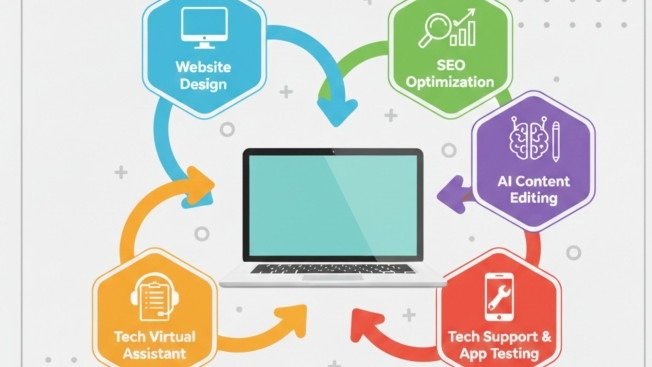
Choosing the right skill is very important because it shapes your freelancing journey. However, do not make the mistake of picking many skills at once. Focus is what helps you grow faster. Also, avoid following trends blindly because what is popular today might not be in demand tomorrow. Instead, select one simple, high-demand skill that is beginner-friendly but has steady opportunities. If you want to start freelancing in tech, choosing the right skill first will give you a clear path to success. Below are some of the best options to begin your freelance career:
1. Website Design (No-Code)
Website design is a great starting point for beginners. Even though you do not know coding, you can create professional websites using tools like WordPress, Wix, and Shopify. Many small businesses only need basic websites. Moreover, learning layout, design, and structure is enough to make websites look professional and user-friendly. By focusing on this skill, you can quickly start freelancing in tech and begin earning while improving your design abilities over time.
2. Tech Virtual Assistant
Tech Virtual Assistants (VAs) are highly in demand because businesses need help with online tasks. For example, you can upload blog posts, manage WordPress, handle email automation, and make basic website edits. This role does not require advanced technical knowledge. Furthermore, working as a VA teaches you practical skills and helps you understand how businesses operate, which is very useful for your freelance career.
3. SEO Optimization
SEO, or Search Engine Optimization, is essential for businesses that want to rank higher on Google. Beginners can start with simple tasks like keyword research, on-page SEO, meta descriptions, and basic audits. In addition, SEO skills are always in demand, which makes this a long-term freelancing opportunity. Also, by improving websites for clients, you can quickly build a strong reputation as an SEO freelancer.
4. AI Content Editing
As AI-generated content grows, many companies need freelancers to edit, format, fact-check, and humanize AI content. Even though AI does most of the writing, your role is very important to make the content clear and engaging. Moreover, this is a growing field, especially in 2026, which makes it an excellent choice for beginners who want to start freelancing in tech.
5. Tech Support & App Testing
Many companies hire freelancers for tech support, app testing, finding bugs, providing user feedback, and remote assistance. This work does not need advanced skills but does require attention to detail. Furthermore, starting here allows you to gain experience, understand how apps work, and eventually move to higher-paying tech projects. Also, it is a great way to work remotely and earn while learning.
Step 3: Learn Smart, Not Long
Now that you selected your skill, learn strategically.
Instead of watching 100 hours of random tutorials:
- Watch beginner YouTube tutorials.
- Practice immediately.
- Create small projects.
- Repeat daily.
For example:
If you choose website design:
- Build a demo website.
- Create a sample landing page.
- Design a homepage for a fake company.
Practice builds confidence faster than theory.
Step 4: Build a Portfolio From Zero
Many beginners ask:
“How can I build a portfolio without clients?”
Simple answer: Create sample work.
For example:
- Design 3 demo websites
- Do SEO for your own blog
- Edit AI articles
- Offer free work to one small business
After completing these, collect screenshots and testimonials. Remember, clients care about proof of your skills — not your past salary. By creating a strong portfolio this way, you can confidently start freelancing in tech even without previous clients.
Step 5: Create a Strong Freelancer Profile
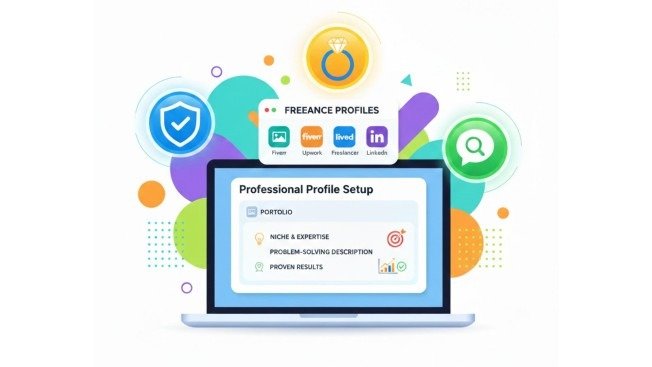
Once your portfolio is ready, it’s time to create your online presence.
You can start on:
- Fiverr
- Upwork
- Freelancer
However, don’t copy other profiles.
Instead:
- Write clearly
- Mention your niche
- Explain what problem you solve
- Show results
For example:
Instead of saying:
“I design websites.” Say:
“I design clean, fast-loading websites for small businesses that want more customers.” Clarity increases trust.
Step 6: Send Smart Proposals
Now comes the part where many beginners fail — proposals.
Instead of writing:
“Sir I can do this job please hire me.”
Write:
- Greet professionally
- Mention client’s problem
- Offer solution
- Show example
- End confidently
For example:
“I noticed your website speed is slow. I can optimize images and improve loading time. I recently worked on a similar project. I’d love to help.”
Short. Clear. Focused.
Step 7: Price Yourself Strategically
In the beginning, price lower — but not extremely low.
For example:
- Start small
- Deliver high quality
- Ask for review
- Increase rates gradually
Remember:
Your first projects are for experience and testimonials.
Later, you charge premium.
Step 8: Focus on Communication Skills
Even in tech freelancing, communication is powerful.
Clients value:
- Clear updates
- Professional tone
- Timely responses
- Respectful behavior
Therefore, improve your written English gradually.
Simple language works better than complicated vocabulary.
Step 9: Build Long-Term Clients
Short projects give money.
Long-term clients give stability.
To build long-term relationships:
- Deliver before deadline
- Overdeliver slightly
- Suggest improvements
- Stay consistent
Eventually, clients return.
Common Mistakes Beginners Make
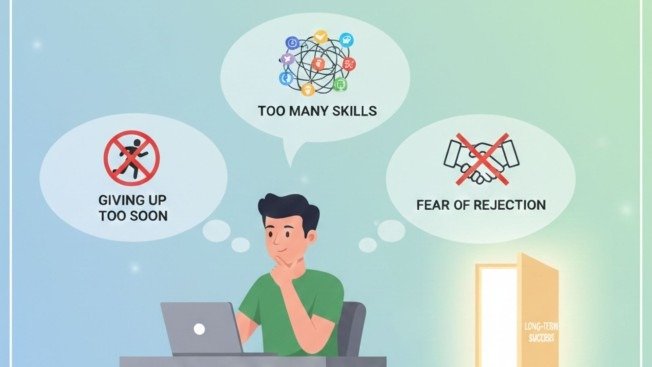
Many beginners quit freelancing too soon because they try too many skills at once, give up after just a few proposals, compare themselves to top experts, fear rejection, and expect quick money. However, freelancing is a journey, not a race, and success comes from patience and consistent effort. Even when results seem slow or clients say no, keep learning, improving, and taking action. By staying focused and persistent, you can gradually build your experience and confidence, making it possible to truly start freelancing in tech and achieve long-term success.
How Much Can You Earn?
Income depends on:
- Skill
- Consistency
- Communication
- Positioning
Beginners may start with $100–$300 monthly.
However, after experience:
- $1000+ monthly becomes realistic
- Some reach $3000–$5000+
But growth takes time.
Conclusion
Many beginners think freelancing in tech is too hard if they have no skills, but the truth is different. If you focus, practice daily, and take small steps, you can start freelancing in tech successfully. You don’t need experience, a degree, or expensive tools—just patience, determination, and the willingness to learn. By building a portfolio, improving your skills, and taking action, you can earn, gain independence, and grow your career. The best time to start freelancing in tech is now, because demand for skilled freelancers is higher than ever. Take the first step today, stay consistent, and success will follow.
FAQS
1. How can a beginner start freelancing in tech with no experience?
Start by choosing one simple skill, practice it, create sample projects, and build a portfolio to showcase your work.
2. Which tech skills are best for beginners?
Begin with website design, SEO, AI content editing, tech support, or virtual assistant tasks that are in high demand.
3. How do I find my first freelance client?
Use platforms like Fiverr, Upwork, and LinkedIn, send clear proposals, and offer small projects or free work to build trust.
4. How much can I earn as a beginner in tech freelancing?
Beginners can earn $100–$300 monthly, and with experience and consistent work, income can grow to $1000+ per month.
5. How long does it take to become a successful tech freelancer?
With daily practice, building a portfolio, and learning from experience, beginners can start earning within a few months and grow steadily.
Meta Description:
Learn how to start freelancing in tech in 2026 even with no experience. Discover beginner-friendly skills, build a portfolio, and earn from anywhere with practical tips.