
What Is the Internet of Things (IoT)?
What Is the Internet of Things (IoT)?
The Internet of Things (IoT) is a network of physical devices that connect to the internet and share data with each other. These devices use sensors and software to collect information from their surroundings and act on it without constant human control.
For example, a smart thermostat senses temperature changes and adjusts heating automatically. Similarly, smart lights react to movement and time of day. As a result, everyday tasks become easier and more efficient. Instead of manually controlling each device, users rely on automation that works in the background.
Most importantly, IoT turns ordinary objects into smart systems that can communicate and respond in real time.
How IoT Works:
Data Collection Through Sensors
First, IoT devices collect data using sensors. These sensors measure things like temperature, motion, light, humidity, or location. For instance, a motion sensor detects when someone enters a room, while a temperature sensor tracks indoor climate.
Internet Connectivity
Next, the collected data is sent through the internet using Wi-Fi, Bluetooth, Zigbee, or mobile networks. Because of reliable connectivity, devices can share information quickly and consistently.
Data Processing and Analysis
After that, the data is processed in cloud platforms or through edge computing. During this step, the system analyzes information and decides what action is needed. For example, if no one is home, the system may reduce energy usage automatically.
Automated Actions
Finally, the system takes action. Lights turn off, doors lock, or alerts are sent to the user. As a result, the smart home reacts instantly without manual effort.
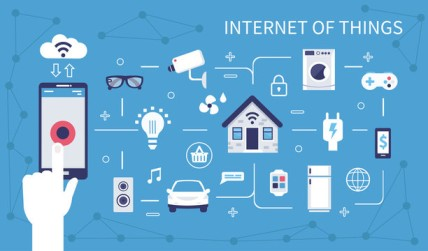
How IoT Powers Smart Homes in 2026
Smart homes are one of the most common and practical uses of IoT. Instead of working as separate devices, all systems operate together as one connected environment.
Smart Lighting and Comfort
IoT-based lighting systems adjust brightness based on time, occupancy, and natural light. Therefore, homes stay comfortable while energy waste is reduced. Over time, these systems learn user habits and improve automatically.
Smart Climate Control
IoT thermostats maintain ideal temperature without constant adjustments. Because they analyze schedules and occupancy, they provide comfort while lowering energy bills.
Home Security and Safety
Security is a major benefit of IoT smart homes. Smart cameras, locks, and sensors monitor activity continuously. When something unusual happens, instant alerts are sent. This allows homeowners to act quickly, even when they are not at home.
Energy Management
IoT systems track energy usage and turn off unused devices. As a result, homeowners save money and reduce unnecessary power consumption.
| IoT Area | Example |
| Smart Home | Smart Thermostat |
| Security | Smart Camera |
| Energy | Smart Mete |
Core Technologies Behind IoT Smart Technology
Sensors and Smart Devices
Sensors are the foundation of IoT. They collect real-world data and help systems understand their environment.
Cloud and Edge Computing
Cloud platforms store and analyze data, while edge computing processes information close to the device. Because of this combination, responses are faster and more reliable.
Control Interfaces and Voice Assistants
Mobile apps and voice assistants allow users to control devices easily. Therefore, interaction with smart homes feels natural and simple.
Security and Data Protection
Strong encryption and authentication protect IoT systems. As the number of devices grows, security remains a top priority in smart technology.
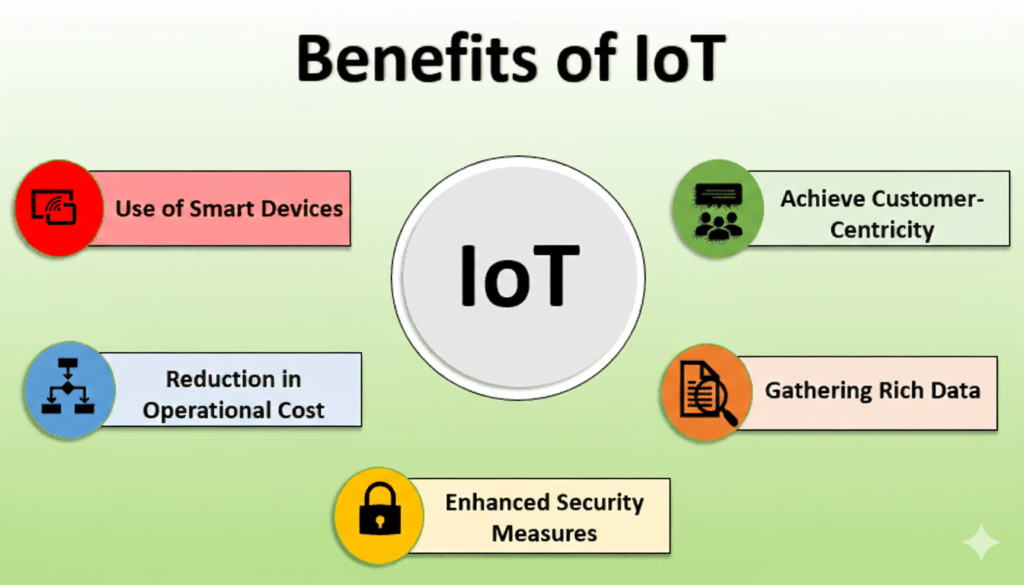
Benefits of IoT Smart Technology
IoT improves daily life in many ways. First, it increases convenience by automating routine tasks. Second, it reduces energy waste and lowers costs. Third, it improves safety through realtime monitoring. Finally, it allows remote control, giving users peace of mind wherever they are.
Because of these benefits, IoT adoption continues to grow across homes and businesses.
IoT Beyond Smart Homes
Although smart homes are popular, IoT is also transforming other industries. Healthcare uses wearable devices for patient monitoring. Businesses use IoT for automation and efficiency. Cities rely on IoT for traffic control and energy management. Therefore, smart homes are just one part of a much larger ecosystem.
Challenges of IoT in 2026
Despite its benefits, IoT faces challenges. Data security and privacy are major concerns. Managing large systems can also be complex. However, improved standards and better platforms are helping solve these issues step by step.
Conclusion:
In 2026, the Internet of Things is no longer about individual smart devices, but about fully connected systems that work quietly and intelligently in the background. Users now expect automation that is secure, flexible, and adapts naturally to their lifestyle. With lower costs, better technology, and broader adoption, IoT has become a practical investment for both homes and businesses, making daily life simpler, safer, and more efficient.
FAQS
Where can I buy popular Internet of Things devices online?
You can buy popular IoT devices from Amazon, Best Buy, Walmart, and official brand websites.
Which companies are leading the Internet of Things market?
Leading IoT companies include Cisco, Amazon (Alexa), Google (Nest), Samsung, and Microsoft.
What are common Internet of Things devices available for home use?
Common IoT home devices include smart speakers, thermostats, security cameras, lights, and door locks.
What is the Internet of Things and how does it work?
IoT is a network of connected devices that collect, share, and act on data automatically through the internet.
What are Internet of Things applications?
IoT applications include smart homes, healthcare monitoring, industrial automation, smart cities, and energy management.
Meta Description:
Discover the 2026 guide to the Internet of Things (IoT), its benefits, applications, challenges & why it’s transforming modern life.