

In today’s fast digital world, choosing the right IT career path with no experience can be very rewarding. Technology is everywhere. Businesses, healthcare, finance, education, and entertainment all need skilled IT professionals.
If you are a beginner, choosing the right IT path can feel hard. There are many options, like programming or cloud computing. Where should you start?
The good news: You do not need prior experience to build a successful IT career. By learning about the industry, essential skills, and following a simple plan, beginners can choose the IT career path with no experience that fits their interests and goals. This article guides you step by step on how to start, what skills to learn, and how to plan your IT career.
Why Choosing the Right IT Career Path Matters
Choosing an IT career is more than picking a job. It shapes your future. The IT industry grows fast. Different fields have different chances, challenges, and pay. Choosing wrong can waste time and cause frustration.
When beginners choose wisely:
- They learn the right skills from the start.
- They save time by focusing on in-demand roles.
- They increase job security and earnings.
- They feel motivated and confident.
Understanding the industry and your own interests is the first step.
Step 1: Assess Your Interests and Strengths
Before taking IT courses, think about your skills and interests. IT is a big field. Success comes when your career matches your strengths.
Ask yourself:
- Do I enjoy solving logical problems?
- Am I creative and like designing websites or apps?
- Do I like working with data?
- Am I ready to keep learning as technology changes?
This helps narrow your choices. Logical thinking suits programming. Creativity suits UI/UX or graphic design.
Step 2: Research High-Demand IT Roles for Beginners
IT has many entry-level roles. Knowing in-demand roles helps you start your IT career path with no experience confidently.
Popular roles include:
- Software Developer / Programmer: Build apps, websites, or mobile apps.
- Web Designer / Web Developer: Make functional and attractive websites.
- Data Analyst / Junior Data Scientist: Collect, analyze, and interpret data.
- Cybersecurity Analyst: Protect systems from threats.
- Cloud Support / Cloud Engineer: Manage online data and services.
- IT Support / Help Desk: Help users with technology issues.
Look at job descriptions, salary, and skills to pick the right role.
Step 3: Learn Core IT Skills for Beginners
Even without experience, foundational IT skills are essential. Many online platforms offer free or low-cost courses. Focus on practical skills that can show your abilities. Learning these is the first step to an IT career path with no experience.
Key skills:
- Programming & Coding: Learn Python, JavaScript, or Java. Start small.
- Web Development: HTML, CSS, JavaScript for front-end; basics of backend like PHP or Node.js.
- Data Analysis: Excel, SQL, and basic Python.
- Cloud Computing: Learn AWS, Azure, or Google Cloud.
- IT Support Skills: Know operating systems, networks, and basic troubleshooting.
Even small projects, like a personal website or sample datasets, help your resume.
Step 4: Build a Portfolio and Gain Practical Experience
Beginners may lack work experience. But projects show skills. A portfolio proves your abilities to employers.
Ways to gain experience:
- Build small projects in your IT field.
- Contribute to open-source projects on GitHub.
- Join online competitions or hackathons.
- Offer freelance work on Upwork or Fiverr.
Even unpaid projects add credibility.
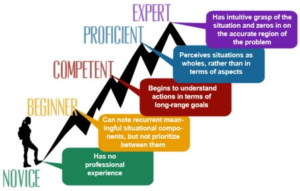
Step 5: Find Mentorship and Guidance
Learning alone is hard. Mentors, online communities, and tech forums help beginners understand industry trends.
Ways to find mentors:
- Connect with IT professionals on LinkedIn.
- Join online IT communities, like Reddit or Stack Overflow.
- Attend webinars, workshops, or tech meetups.
Mentors give advice, suggest learning paths, and sometimes help with job referrals.
Step 6: Apply for Entry-Level Jobs and Internships
With skills and a portfolio, apply for entry-level roles. Employers like motivation and practical skills more than experience.
Tips:
- Tailor your resume for each role.
- Write a strong cover letter.
- Practice IT interview questions.
- Try internships, apprenticeships, or part-time roles.
Even if your first role is not perfect, it gives experience and growth.
Step 7: Keep Learning and Upskilling
Technology changes fast. Beginners must keep learning. New programming languages, tools, and technologies appear often.
Ways to keep learning:
- Take online courses or certifications.
- Follow industry news and blogs.
- Experiment with new tools and software.
- Take advanced courses as you grow confident.
Upskilling helps you move from beginner roles to high-paying positions and succeed in your IT career path with no experience.

Conclusion
Starting an IT career path with no experience can be challenging. Focus on learning skills, building a portfolio, and gaining experience. Find mentors, apply for entry-level roles, and keep improving. Step by step, beginners can build a rewarding IT career in the tech industry.Stay consistent and practice daily to improve your confidence and skills. Over time, small efforts will lead to big growth and better career opportunities
FAQS
Q: Which companies hire IT interns with no experience?
A: Google, Microsoft, IBM, and Infosys hire beginners. They want people who are eager to learn.
Q: What are the best websites to apply for IT apprenticeships and entry-level positions?
A: Use LinkedIn, Indeed, Glassdoor, and Internshala. Check them often for new jobs.
Q: Which entry-level IT certifications are best for beginners with no experience?
A: Try CompTIA IT Fundamentals, Google IT Support, or Microsoft Azure Fundamentals. They teach basic IT skills.
Q: How can someone start a tech career without prior experience or a degree?
A: Learn IT skills online and practice small projects. Apply for internships to gain real experience.
Q: What are the top remote IT jobs suitable for candidates without experience?
A: Remote IT support, junior web developer, and data entry jobs are good. You can work from home.
Q: Which online platforms offer free IT courses for absolute beginners?
A: Coursera, edX, Khan Academy, and FreeCodeCamp offer free courses. They cover coding and web basics.
Q: Are there affordable bootcamps that prepare you for IT roles from scratch?
A: Codecademy, Udemy, and CareerFoundry have low-cost programs. They help beginners build real projects.
Meta Description:
Start your IT Career Path with no experience. Learn step-by-step skills, build projects, and get tips to launch a successful tech career. Start today