
AI in Personal Life
AI Technology has made daily life simpler and more organized. Many people use AI apps to learn new
skills. Language learning apps, coding apps, and creative tools guide users step by step.
They give tips, feedback, and suggestions.
AI also helps with daily tasks. Virtual assistants like Google Assistant, Siri, or Alexa set reminders, manage
schedules, and answer questions. AI translation apps help communicate across different languages.
Even small daily tasks are easier. AI can suggest shopping lists, track fitness goals, and
manage budgets. It gives advice like a human friend. People can focus on important work
without worrying about small details.
Expanded Benefits in Personal Life:
1.Learn new skills faster
AI apps can create personalized lessons. For example, if someone struggles with a topic, AI can give extra practice or easier explanations. This helps learners master skills quickly.
2.Save time in daily tasks
AI handles repetitive tasks like reminders, scheduling, and simple calculations. People can focus on work or hobbies instead of spending hours on small chores.
3.Organize schedule and reminders
AI keeps track of appointments, meetings, and deadlines. It can send alerts before important events, helping people stay organized.
4.Improve communication across languages
AI translation tools instantly translate messages or voice conversations. People can communicate with anyone in the world without confusion.
5.Reduce stress
With AI managing small tasks, people feel less pressure. AI acts like a personal assistant, making life smoother and more relaxed.
AI in Professional Life
AI has greatly improved work life. It saves time, increases efficiency, and helps people focus on important tasks. AI tools sort emails, schedule meetings, and track deadlines. Repetitive work is done in the background.
In content creation, AI helps generate ideas, write drafts, and edit documents. Chatbots answer customerquestions instantly. AI analyzes business data to find trends and improve decisions.
Expanded Benefits in Professional Life:
1.Save time and improve productivity
AI automates repetitive work, like checking emails or generating reports. This gives employees more time for creative and critical tasks.
2.Manage tasks efficiently
AI prioritizes tasks based on urgency and importance. People can focus on high-priority work while AI handles routine jobs.
3.Make data-driven decisions
AI analyzes large amounts of information quickly. Managers can make smarter choices with accurate insights.
4.Improve customer service
AI chatbots answer questions instantly. Customers get quick responses, improving satisfaction and trust.
5.Focus on creative work
By taking over boring tasks, AI allows people to use their creativity and problem-solving skills in important projects.
AI in Education
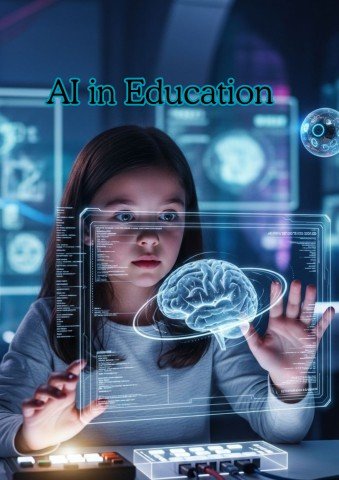
AI has changed the way students learn. Online learning platforms use AI to
personalize lessons for each student. It tracks progress and adjusts content
according to student needs.
AI tutors are available 24/7. They answer questions, give feedback, and provide
practice exercises. Teachers also benefit. AI helps grade assignments and
analyze student performance.
Expanded Benefits in Education:
1.Personalized learning
AI tailors lessons to each student’s pace. Struggling students get extra help while advanced learners get more challenging material.
2.Instant support and feedback
AI answers questions immediately, helping students understand topics faster.
3.Reduce teacher workload
AI grades papers and tracks progress, giving teachers more time to focus on teaching.
4.Track student performance easily
AI collects data on strengths and weaknesses. Teachers can adjust lessons to improve learning outcomes
AI in Healthcare
AI is helping doctors and patients in new ways. It can analyze medical data,
detect diseases early, and monitor health continuously. Wearable devices track
heart rate, sleep, and activity.
AI also supports research. It analyzes medical records to find patterns or
suggest treatments.
Expanded Benefits in Healthcare:
1.Fast and accurate diagnosis
AI examines medical images or patient data to detect issues faster than humans alone.
2.Real-time health monitoring
Wearable AI devices alert users to potential health problems early.
3.Early disease detection
AI can predict risks based on patterns in medical history, helping prevent serious illness.
4.Improved research and treatment
AI analyzes vast amounts of medical data quickly, helping researchers develop new medicines and treatments.
AI in Transportation
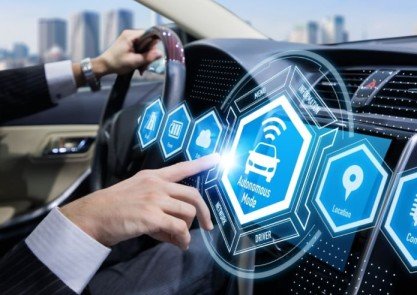
AI improves travel safety and convenience. Self-driving cars reduce accidents.
Traffic systems use AI to manage congestion. Public transport apps predict
schedules and delays. Delivery services use AI to optimize routes.
Expanded Benefits in Transportation:
1.Safer roads
AI sensors and algorithms reduce human errors and prevent accidents.
2.Better traffic management
AI predicts traffic patterns to reduce congestion and travel time.
3.Faster deliveries
Delivery apps use AI to plan optimal routes, ensuring packages arrive quickly.
4.Reliable transport information
AI updates schedules in real-time, making travel easier.
AI in Smart Homes
Smart homes are powered by AI. AI controls lights, temperature, security, and
energy use. It can also help with chores like cooking, shopping, or cleaning.
Expanded Benefits in Smart Homes:
1.Save energy and money
AI adjusts lighting and temperature automatically, reducing bills.
2.Improve home security
AI cameras and sensors detect unusual activity and alert homeowners.
3.Automate daily chores
Smart devices can vacuum, manage shopping lists, and remind about tasks.
4. Personalized comfort
AI learns habits and preferences, adjusting settings to make life easier.
Wider Benefits of AI
AI touches almost every part of modern life. It saves time, reduces errors, and
increases efficiency. It also improves accessibility, helping people with
disabilities communicate, learn, and work.
Expanded Key Benefits:
1.Save time and effort – AI handles repetitive or time-consuming tasks.
2. Improve decision-making – AI analyzes data to provide insights and guidance.
3. Increase efficiency – Tasks are completed faster and with fewer mistakes.
4. Reduce stress – AI manages small jobs, making life smoother.
5. Make life safer and easier – AI improves health, transportation, home safety, and education
Challenges and Concerns
Even with benefits, AI has challenges:
Privacy issues – Many AI tools require personal data to function. Users worry about the misuse of data.
Job disruption – Some jobs are replaced by AI. Workers must learn new skills.
Over-reliance on AI – People may depend too much on AI and lose critical skills.
Ethical concerns – AI can be biased or unfair if not monitored carefully.
Conclusion
In 2025, AI is a strong partner in daily life. It helps people learn, work, and live
smarter. From healthcare and education to smart homes and transportation, AI
is everywhere.
While challenges exist, AI’s benefits are undeniable. It saves time, reduces
stress, and improves productivity. People just need to use it responsibly and
continue learning alongside AI.
FAQs
Q1: What is AI technology?
AI is a computer system that can do tasks needing human intelligence, like learning, problem-solving, and decision-making.
Q2: How is AI used in daily life?
AI is used in personal assistants, smart homes, healthcare, education, transportation, and workplaces to save time and make life easier.
Q3: What are the benefits of AI in 2025?
AI saves time, reduces mistakes, improves productivity, enhances learning, supports healthcare, and makes life more convenient.
Q4: Are there risks with AI?
Yes. Privacy concerns, job disruption, over-reliance, and ethical issues are some risks.
Q5: How can I use AI responsibly?
Use AI wisely, protect personal data, stay informed, and continue learning your skills.
Meta Description
Discover how AI technology is shaping modern life in 2025. Learn how AI
improves personal life, work, education, healthcare, smart homes, and
transportation. Start using AI tools today to save time, boost productivity, and
make life easier!